NIH Announces Good News on Alzheimer’s Research Funding
Dr. Francis Collins, director of the National Institutes of Health (NIH), just gave Americans a dose of good news on Alzheimer’s research. Find out what
Dr. Francis Collins, director of the National Institutes of Health (NIH), just gave Americans a dose of good news on Alzheimer’s research. Find out what

VIDEO See how NAPA (National Alzheimer’s Project Act) legislation is galvanizing U.S. efforts to combat Alzheimer’s and related dementias. Learn how it supports patients and

50,000 volunteers (with and without Alzheimer’s) are needed to participate in hundreds of clinical trials. People with Alzheimer’s, their families, and those who serve them

The FDA has a new Alzheimer’s-fighting plan. They are seeking public comments for the next 60 days. They plan to identify and study patients with

In 1994, Congress designated the Martin Luther King Jr. Federal Holiday, January 21, as a national day of service. Learn about opportunities to lend your
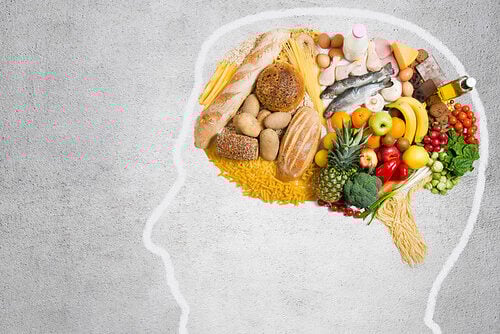
Adopting the MIND diet—even later in life—is linked with reduced dementia risk

When I was young,
I used to admire intelligent people.
As I grow older, I admire kind people.

We think we are most free when we don’t need anybody. Exactly what Alzheimer’s represents is absolute dependency. That’s what we all need to learn:

SHORT-TERM MEMORY lapses are obvious signs of Alzheimer’s, but other tell-tale signals begin to show much earlier. Learn how to look for semantic impairments, such as simple questions about size.

Three important dementia studies focus on HS-AGING, a type of dementia almost as common as Alzheimer’s in the 85+ group. Yet few people have heard of it. Why? What makes it different?

An intriguing study of 120 grandmothers might surprise you. Doctors know socially engaged people have better cognition and less dementia. But can a person get too much of a good thing? What’s the right balance?

Enjoy this great duet between a musician with dementia and his son. A triumph of spirit over Alzheimer’s! Sing-a-long if you like!