Diagnosing Dementia’s Symptoms for Nurses & Caregivers
PROFESSIONALS – VIDEO: Doctors, nurses and caregivers must work together to diagnose Alzheimer’s. There simply is no one-stop test. Even after considering signs and symptoms,
PROFESSIONALS – VIDEO: Doctors, nurses and caregivers must work together to diagnose Alzheimer’s. There simply is no one-stop test. Even after considering signs and symptoms,

BOOK OF THE WEEK: Explores different types of dementia, tips on alternative types of care, caregiver stresses, how testing is done, legal problems, and creative
HEALTH TIPS: Caregivers, are you taking care of you? You can only care for somebody as much as you care for yourself. Whether family-caregiver or

VIDEO: There is a laboratory simulation that can help you make your home safer for a loved one with Alzheimer’s. See what the USF Health

VIDEO: There’s not much research about the power of touch in Alzheimer’s. Notwithstanding, one nursing home’s staff say Sol & Rita are all the proof

VIDEO: Teepa Snow illustrates music’s remarkable power to rekindle faded memories. Good memories and old music are known to stay connected, despite the advanced ravages

VIDEO: After being diagnosed with early-stage Alzheimer’s, Phyllis Blais started going to classes at the Long Island Alzheimer’s Foundation. See how the classes, designed to
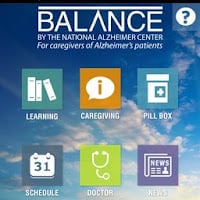
In Alzheimer’s, how can family members and physicians stay informed and connected? Technology helps. Read about the first smartphone app to integrate Alzheimer’s caregivers with

VIDEO: President Ronald Reagan’s family raised the bar of Alzheimer’s awareness. Watch Nancy Reagan talk about it to the Republican National Convention. See Democratic President Obama with Nancy, describing her impact on the fight to end Alzheimer’s.

MUSIC VIDEO: Super Bowl Champ Ben Utecht got CTE Dementia at the age of 29. See his song and read how he asks Congress to tackle dementia.

There are over 80 types of dementia besides Alzheimer’s. Teepa Snow, dementia expert, explains why knowing the right type is so important and why so few people with dementia really do.

Three important dementia studies focus on HS-AGING, a type of dementia almost as common as Alzheimer’s in the 85+ group. Yet few people have heard of it. Why? What makes it different?
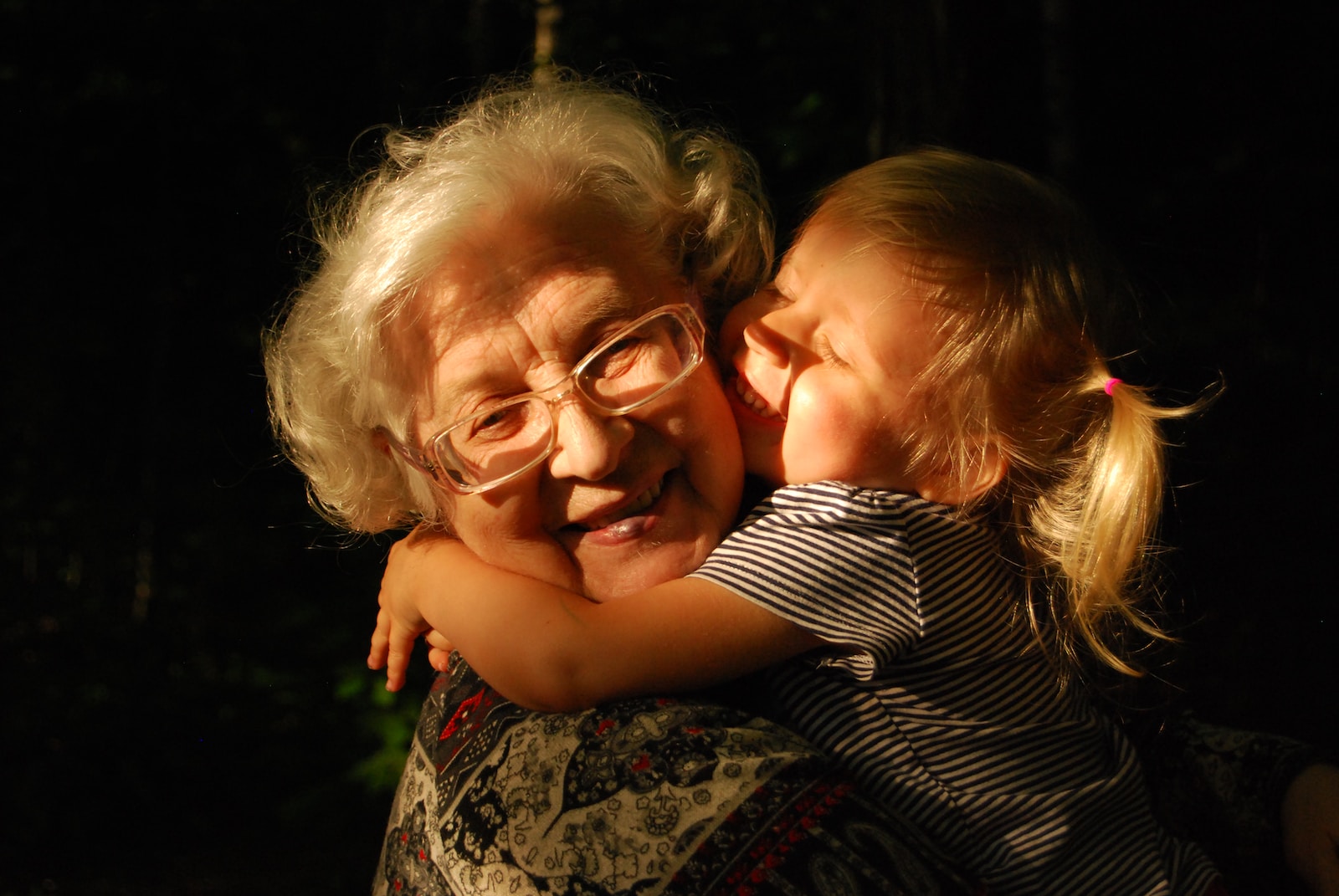
An intriguing study of 120 grandmothers might surprise you. Doctors know socially engaged people have better cognition and less dementia. But can a person get too much of a good thing? What’s the right balance?
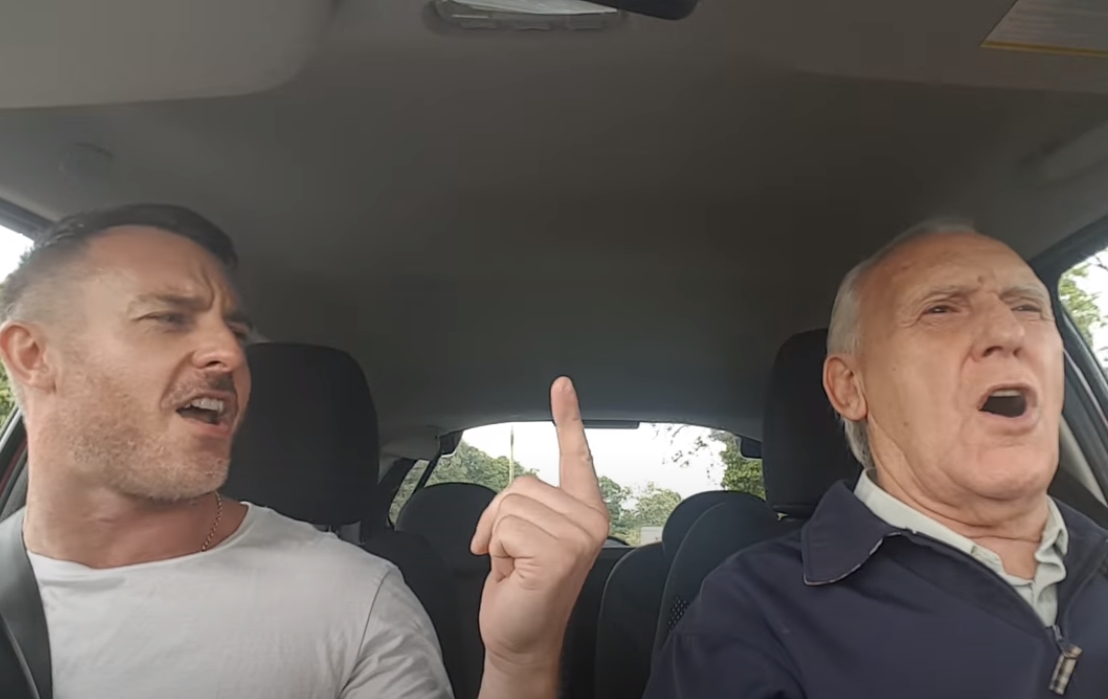
Enjoy this great duet between a musician with dementia and his son. A triumph of spirit over Alzheimer’s! Sing-a-long if you like!

It looks like a sneeze cannot give anyone Alzheimer’s. While Alzheimer’s abnormal disease proteins do spread from cell-to-cell, they are not “infectious”. Check out the facts.