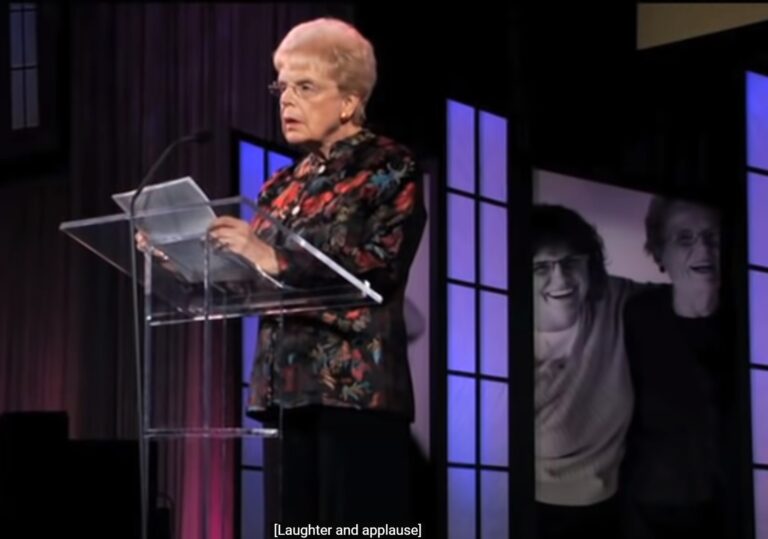
A Big Thanksgiving Laugh from A Little Old Lady
FUNNY VIDEO – HAPPY THANKSGIVING: Mary Maxwell, a diminutive “little old lady,” shines a very funny light on the foibles of aging, to the delight of an audience filled with senior-care experts.
FUNNY VIDEO – HAPPY THANKSGIVING: Mary Maxwell, a diminutive “little old lady,” shines a very funny light on the foibles of aging, to the delight of an audience filled with senior-care experts.

HOLIDAY PREPARINGS: Holiday tips to help caregivers & people with dementia visiting family, friends & neighbors.
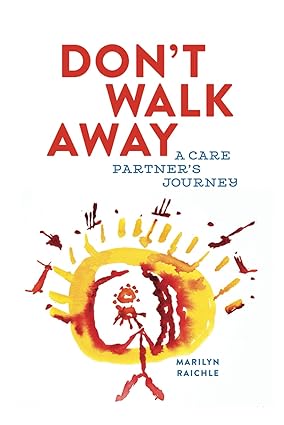
There is a choice we make when a loved one gets Alzheimer’s. Walk away, or don’t walk away. Marilyn’s Mom told her to walk away. Marilyn chose not to. She’s glad she didn’t. Share her journey.
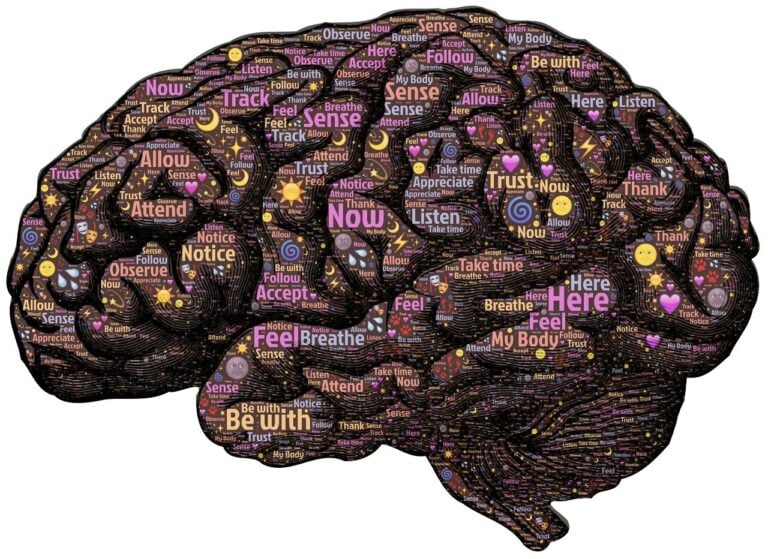
Aphasia affects a person’s ability to communicate. It affects language functions, such as speaking, understanding what others say, and naming common objects. Learn its causes, types and a few tips.
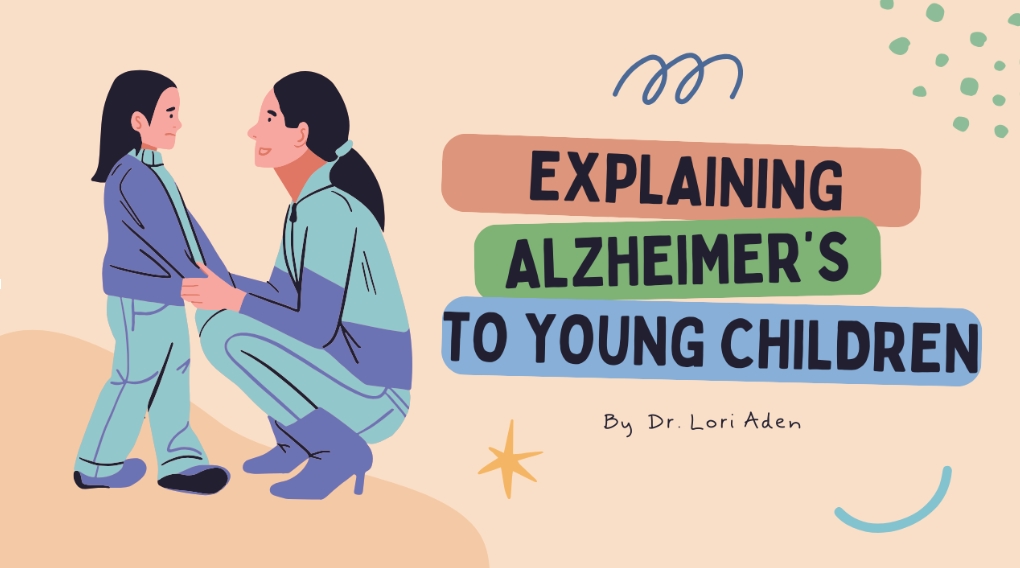
Explaining Alzheimer’s to young children can be a daunting task. Here are 10 easy suggestions for explaining Alzheimer’s to young children.
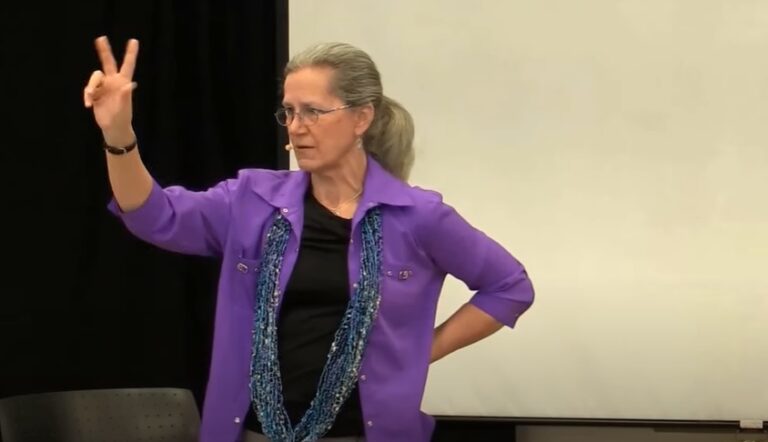
There is more to us than our brains and our bodies, says dementia expert Teepa Snow. “There’s more to us than that … When we’re together, we become more.” Watch now.
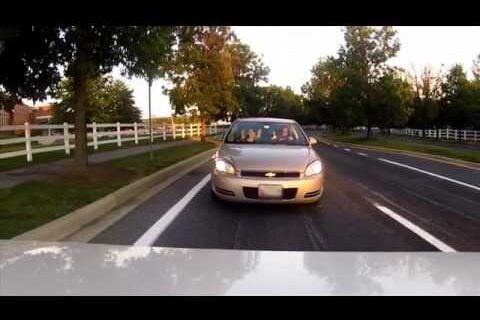
VIDEO + CHECKLIST OF 15 WARNING SIGNS: Memory problems caused by Alzheimer’s make driving unsafe. See how. Watch this thought-provoking video to open up the discussion with family members, friends and patients.
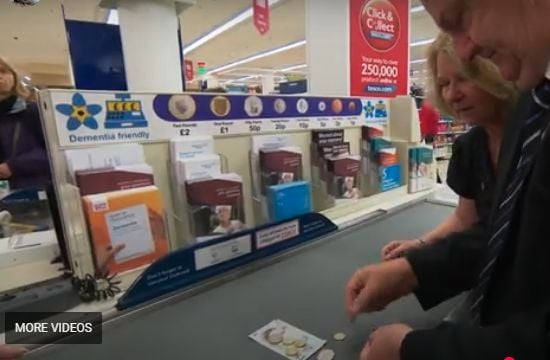
INNOVATION – VIDEO: A big supermarket launched a ‘relaxed’ checkout lane to make life a little less stressful for people with dementia and other vulnerable people.

How can siblings avoid conflict while caring for aging parents? This Resource Guide can help.

DOES AGE LEAD to deterioration of brain function, or do older brains just take longer to process ever increasing amounts of knowledge? The latest research may surprise you.

INFO + CHECKLISTS: Dementia demands preparation. When bad weather strikes, be ready. This post includes checklists to help you prepare, tips on how to ride it out, plus ways to get back on your feet in the aftermath.

LAW & MONEY: Get ahead of the legal & financial challenges of Alzheimer’s. This Fact Sheet is a great place to start.

TECH VIDEO: See how video messages break through Alzheimer’s morning fog. Learn why they perk up people with dementia. Watch this pilot program in action.

Three important dementia studies focus on HS-AGING, a type of dementia almost as common as Alzheimer’s in the 85+ group. Yet few people have heard of it. Why? What makes it different?
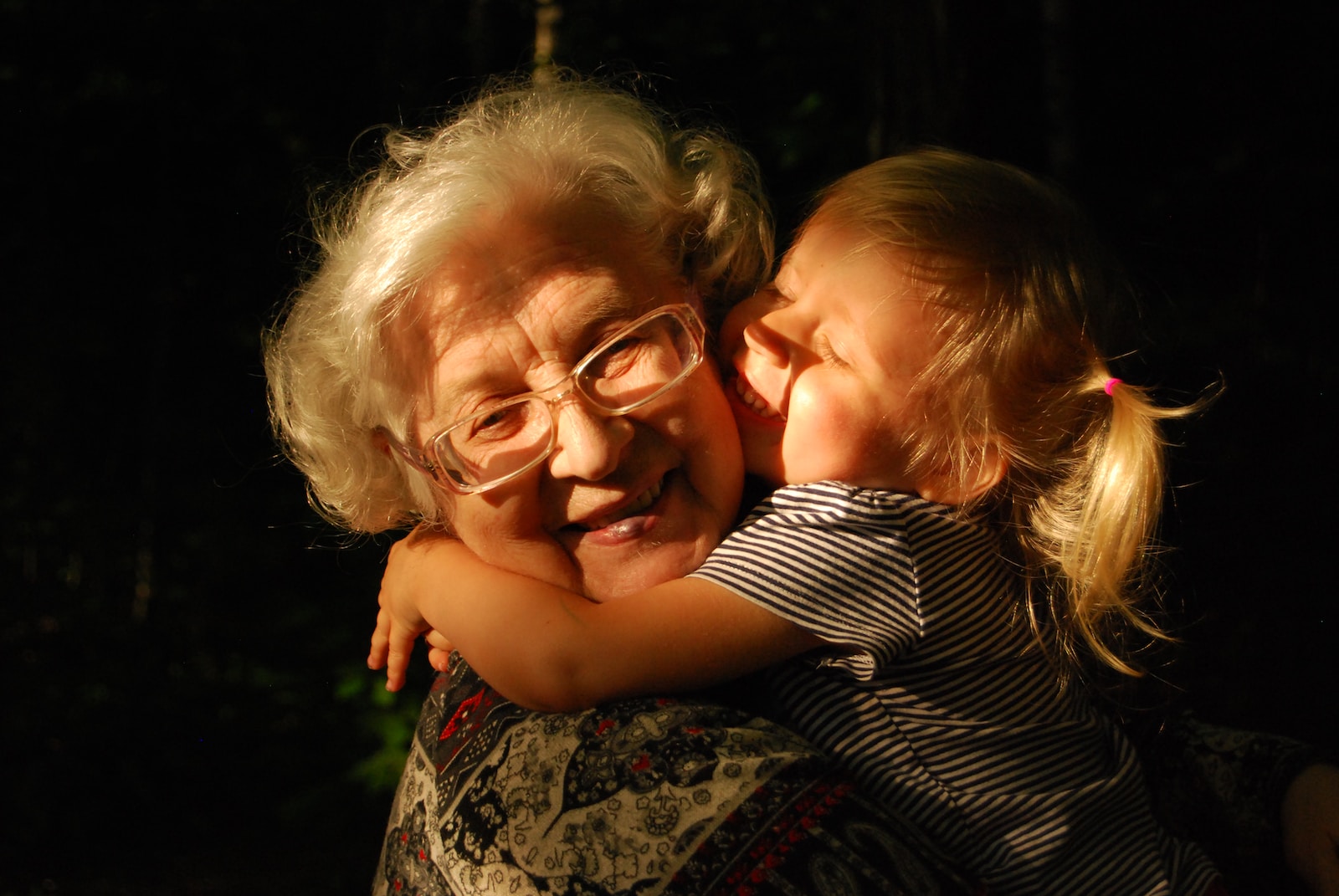
An intriguing study of 120 grandmothers might surprise you. Doctors know socially engaged people have better cognition and less dementia. But can a person get too much of a good thing? What’s the right balance?

Enjoy this great duet between a musician with dementia and his son. A triumph of spirit over Alzheimer’s! Sing-a-long if you like!

It looks like a sneeze cannot give anyone Alzheimer’s. While Alzheimer’s abnormal disease proteins do spread from cell-to-cell, they are not “infectious”. Check out the facts.