How Does IVIG Stop Alzheimer’s? Time to Find Out
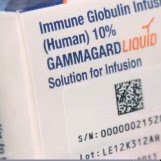
VIDEO & ARTICLE In trials, the most effective Alzheimer’s treatment so far is IVIG. At $50,000 per year, learn how scientists hope to bring down
VIDEO & ARTICLE In trials, the most effective Alzheimer’s treatment so far is IVIG. At $50,000 per year, learn how scientists hope to bring down

VIDEO Watch this Wall Street Journal interview on why Dr. Wischik sees tau as a more worthwhile anti-Alzheimer’s target than plaque. Learn more about TauRx’

CNN VIDEO: An Alzheimer’s brain comes with two culprits: tangles of tau protein and plaque made of amyloid. Yesterday’s research focused on getting rid of amyloid. See how today’s new, cutting edge research is targeting tau, too.

4 tips to improve communication with a loved one who has a dementia or Alzheimer’s diagnosis. These tips foster understanding and create a calm, supportive environment. Watch and learn how to navigate challenging moments with care and compassion.

CBS VIDEO – MUSIC & SONG: One program is giving people living with Alzheimer’s a new and joyous way to step back into life, by literally giving voice to both patients and their caregivers. Dr. Jonathan LaPook reports.

Three important dementia studies focus on HS-AGING, a type of dementia almost as common as Alzheimer’s in the 85+ group. Yet few people have heard of it. Why? What makes it different?

An intriguing study of 120 grandmothers might surprise you. Doctors know socially engaged people have better cognition and less dementia. But can a person get too much of a good thing? What’s the right balance?

Enjoy this great duet between a musician with dementia and his son. A triumph of spirit over Alzheimer’s! Sing-a-long if you like!

It looks like a sneeze cannot give anyone Alzheimer’s. While Alzheimer’s abnormal disease proteins do spread from cell-to-cell, they are not “infectious”. Check out the facts.