
6 Tips on Repetitive Questions Due to Dementia
“WHAT TIME IS IT?” Repetitive questions from dementia trigger frustration and anxiety in caregiver and patient. At a loss as to how to deal with it? Check out these UCLA Health tips.
“WHAT TIME IS IT?” Repetitive questions from dementia trigger frustration and anxiety in caregiver and patient. At a loss as to how to deal with it? Check out these UCLA Health tips.
Aphasia affects a person’s ability to communicate. It affects language functions, such as speaking, understanding what others say, and naming common objects. Learn its causes, types and a few tips.

Teepa Snow shows the audience how to approach and communicate with someone who has dementia.

TIPS & BOOKS: Communicating may be difficult between people with memory-loss and their loved ones. Check out these 5 helpful communication tips and books.

Top expert TEEPA SNOW presents what people with dementia hear when you talk and how they process your verbal cues.

TEEPA CARE TIPS VIDEO: Teepa Snow, Dementia-care Specialist, shares 6 key phrases that help you help people with Alzheimer’s and dementia.

TED VIDEO: Artist Tony Luciani was testing out a new camera when his 91-year-old mother with dementia, Elia, snuck into the background of his photos.

ETHICS VIDEO: 3 professors at the prestigious Stanford University Center for Ethics in Society share differing thoughts on respecting the autonomy of people with dementia,
TEEPA SNOW CARE TIPS – VIDEO: A person with dementia may wonder, “What do I do now?” or “How do I do what I want
TEEPA SNOW explains how to handle caregiver stress that is brought on by challenging behaviors in dementias such as Alzheimer’s.

TEEPA SNOW MOTHERS’ DAY TIPS: Check out these Alzheimer’s care tips for USA’s Mothers’ Day, compiled by Dementia-specialist Teepa Snow and Senior Helpers.

In an Alzheimer’s study, insulin delivered high up in the nasal cavity achieved lasting results in improving memory. Find out why Dr. W. Banks calls this “one of those studies where everything is coming together.”

Three important dementia studies focus on HS-AGING, a type of dementia almost as common as Alzheimer’s in the 85+ group. Yet few people have heard of it. Why? What makes it different?
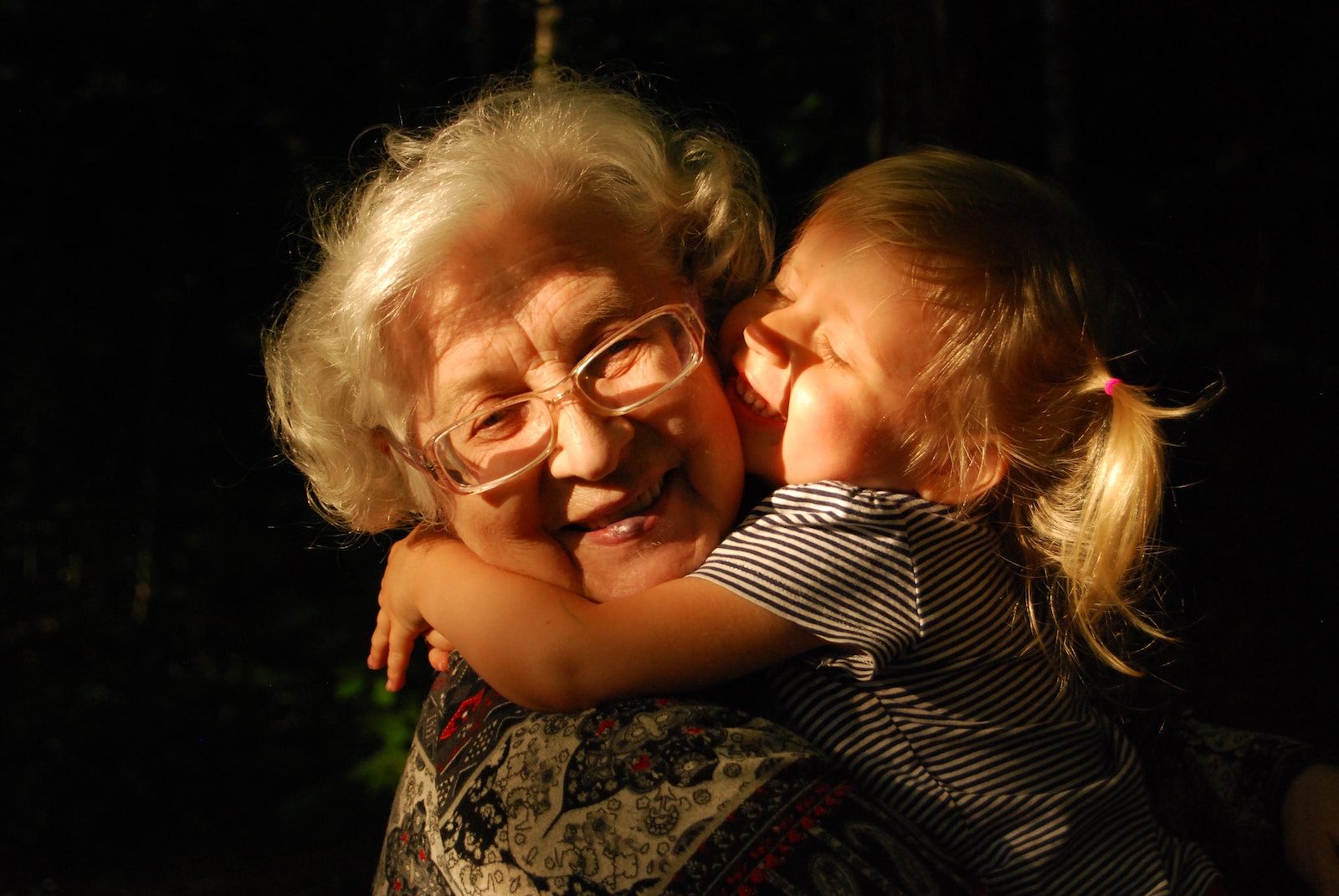
An intriguing study of 120 grandmothers might surprise you. Doctors know socially engaged people have better cognition and less dementia. But can a person get too much of a good thing? What’s the right balance?

Enjoy this great duet between a musician with dementia and his son. A triumph of spirit over Alzheimer’s! Sing-a-long if you like!

It looks like a sneeze cannot give anyone Alzheimer’s. While Alzheimer’s abnormal disease proteins do spread from cell-to-cell, they are not “infectious”. Check out the facts.