
85 with Dementia? Good Chance It’s HS-AGING, Not Alzheimer’s
Three important dementia studies focus on HS-AGING, a type of dementia almost as common as Alzheimer’s in the 85+ group. Yet few people have heard of it. Why? What makes it different?
Three important dementia studies focus on HS-AGING, a type of dementia almost as common as Alzheimer’s in the 85+ group. Yet few people have heard of it. Why? What makes it different?

L.A.T.E.-Dementia is under-recognized, with a health impact as large as Alzheimer’s in very old people. It affects 25% of people over 85 and has nothing to do with the plaques and tangles that cause Alzheimer’s.

(Video & Article) L.A.T.E. Dementia is frequently misdiagnosed as Alzheimer’s. That’s why, in January 2025, researchers created new guidelines. It affects millions of people, approximately 40% of people over 80. How is it recognized? What makes it different?

DIAGNOSIS: L.A.T.E. Dementia is important because it affects millions of people, approximately 40% of people over the age of 85. How is it recognized? What makes it different?

DIET: Add nuts to your meals to eat better and fight dementia. Discover three great ways nuts help your brain-boosting diet.

Dementia’s cholinesterase inhibitors can affect trips to the bathroom, according to researchers in Houston, Texas. Learn more if you take donepezil, rivastigmine or galantamine. (Brand names Adlarity, Aricept, Ebixa, Exelon, Namzaric, Razadyne)

Check out these top 12 care tips to assist people with dementia. Great for family, friends and professionals!

Three important dementia studies focus on HS-AGING, a type of dementia almost as common as Alzheimer’s in the 85+ group. Yet few people have heard of it. Why? What makes it different?
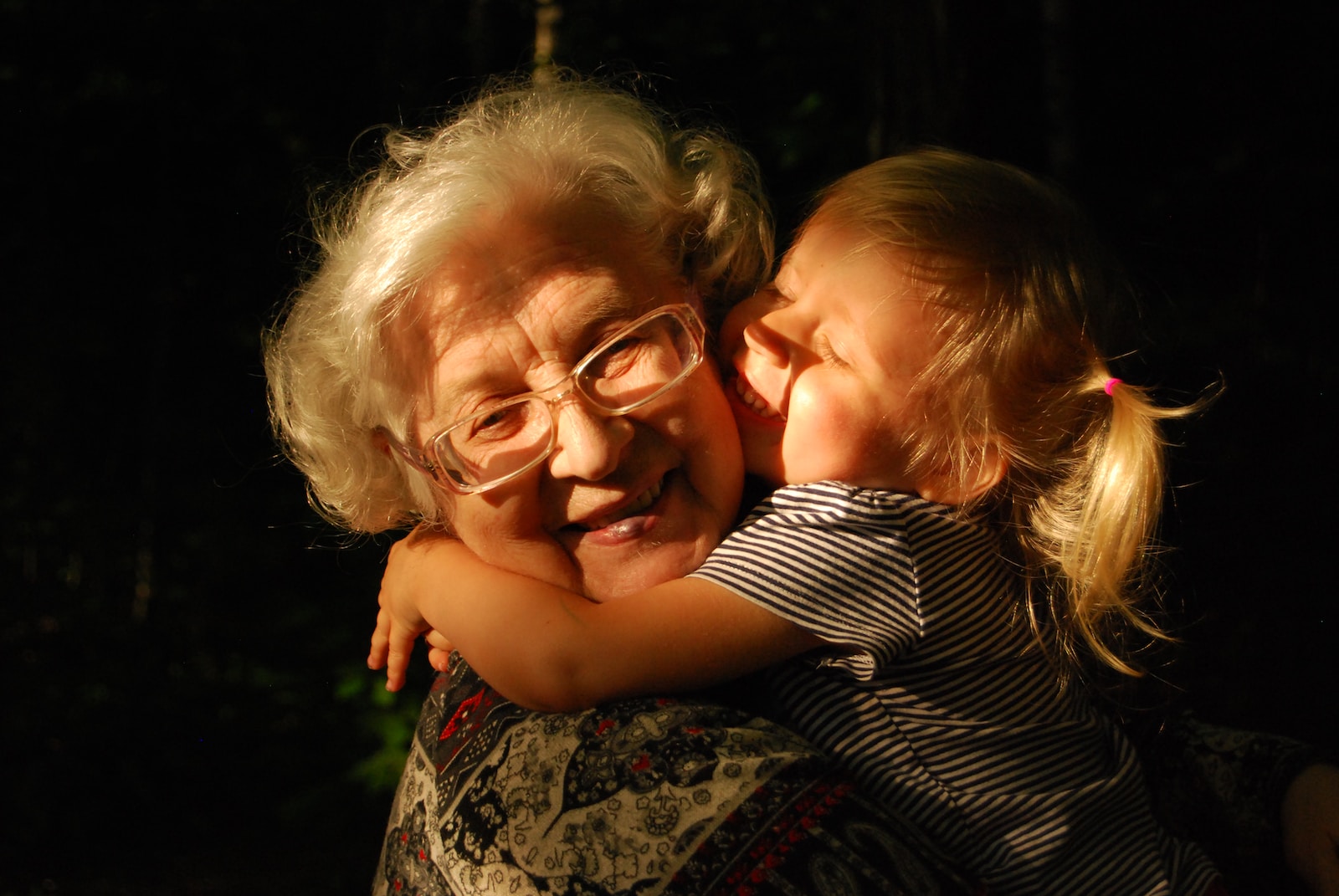
An intriguing study of 120 grandmothers might surprise you. Doctors know socially engaged people have better cognition and less dementia. But can a person get too much of a good thing? What’s the right balance?

Enjoy this great duet between a musician with dementia and his son. A triumph of spirit over Alzheimer’s! Sing-a-long if you like!
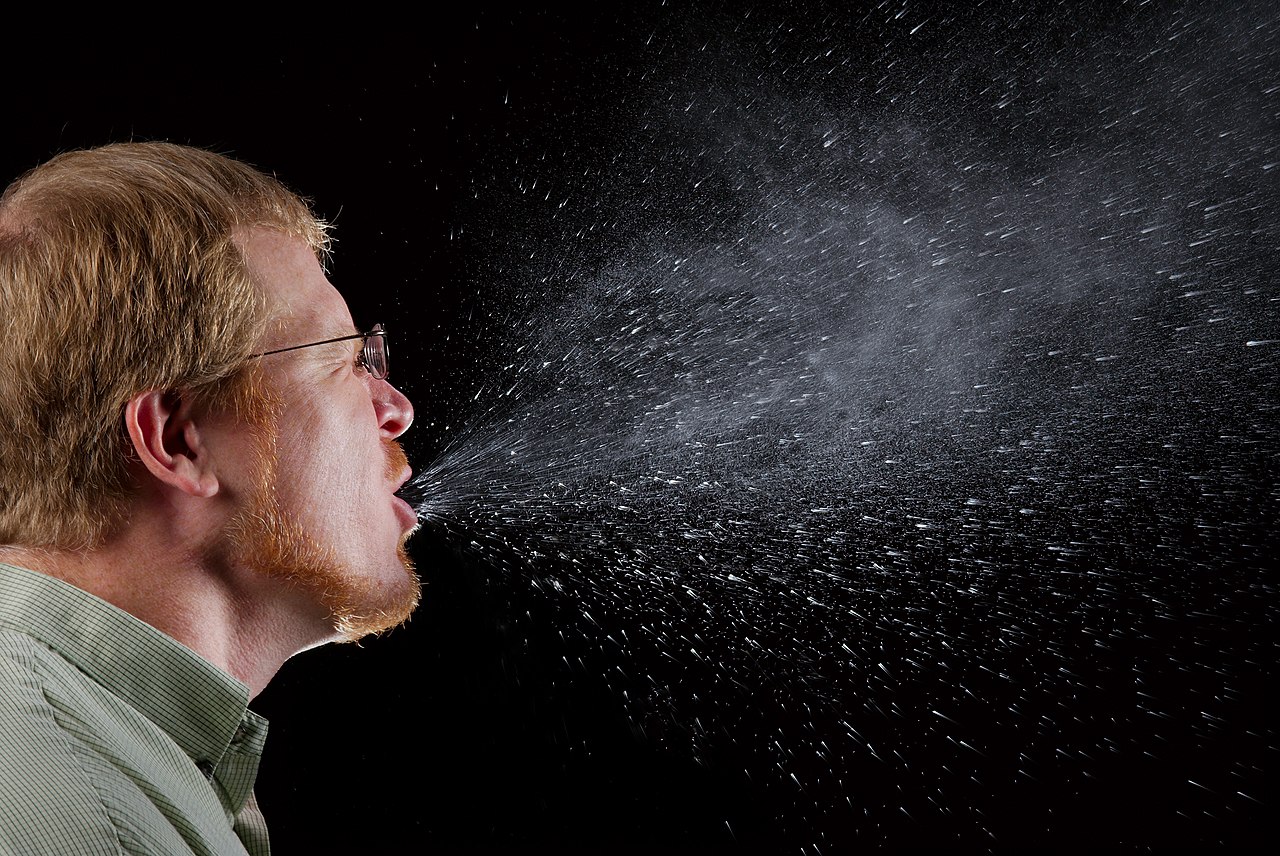
It looks like a sneeze cannot give anyone Alzheimer’s. While Alzheimer’s abnormal disease proteins do spread from cell-to-cell, they are not “infectious”. Check out the facts.


