Neflamapimod May Be 1st Dementia with Lewy Bodies Drug
“It is exciting to see efficacy of potential new drugs for Dementia with Lewy Bodies, the most common dementia after Alzheimer’s. It is a huge area of unmet need,” said Dr. Marwan Sabbagh.
“It is exciting to see efficacy of potential new drugs for Dementia with Lewy Bodies, the most common dementia after Alzheimer’s. It is a huge area of unmet need,” said Dr. Marwan Sabbagh.

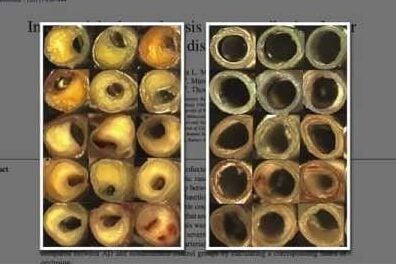
Vascular dementia is a common dementia, often brought on by stroke. Check out strategies to prevent stroke in women.

Mad Cow Disease spreads vCJD dementia. In this key study, a non-invasive urine sample test picked it up. Find out how this may stop vCJD in its tracks.

DRINKING beet juice can increase blood flow to the brain in older adults. The way beet juice does this holds great potential for combating dementia.

Why early warning signs matter more than most people realize.

Cardiovascular events like strokes can trigger vascular dementia.American Heart Association cholesterol guidelines can significantly reduce cardiovascular events. Is it time to take a fresh look at your cholesterol?

Posterior Cortical Atrophy, or PCA, is a specific form of Alzheimer’s that affects the back of the brain.
Author Terry Pratchett was diagnosed with it.
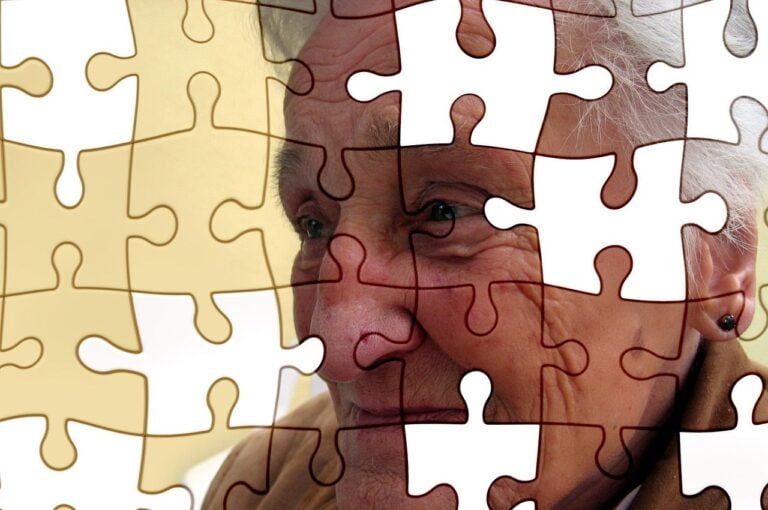
New research explains how to recognize “Rapidly Progressive Dementia”, why it often involves Alzheimer’s, and what faster change means for daily care and planning.

MISDIAGNOSIS? Lewy Body Dementia (LBD) is often mistaken for Alzheimer’s or Parkinson’s. People typically go through 18 months and 3 doctors to get a correct diagnosis. Learn what to do about it.

Diane Sawyer sat down with Emma Heming Willis and Neurologist Dr. Bruce Miller to talk about Bruce Willis’ health. (11 minute video)

MAUDE’S AWARDS: RECOGNIZING INNOVATIONS IN DEMENTIA CARE SEATTLE, WA – The 7 TH Annual Maude’s Award Recipients are announced. Maude’s Awards wasdeveloped to gather and

CUTTING-EDGE VIDEO + ARTICLE: See Dr. Anthony Fitzpatrick use world-class cryo-electron microscopes to reveal molecular secrets leading to a cure for Alzheimer’s.
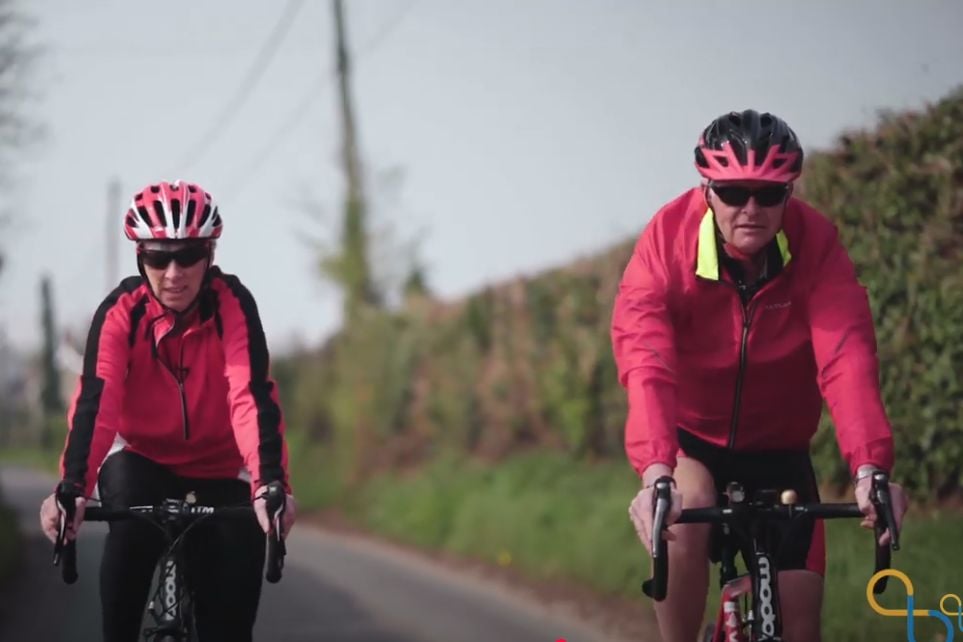
UPLIFTING VIDEO: Peter Berry & his Alzheimer’s are cycling 350 miles to show it’s still possible to live well with dementia.

Three important dementia studies focus on HS-AGING, a type of dementia almost as common as Alzheimer’s in the 85+ group. Yet few people have heard of it. Why? What makes it different?
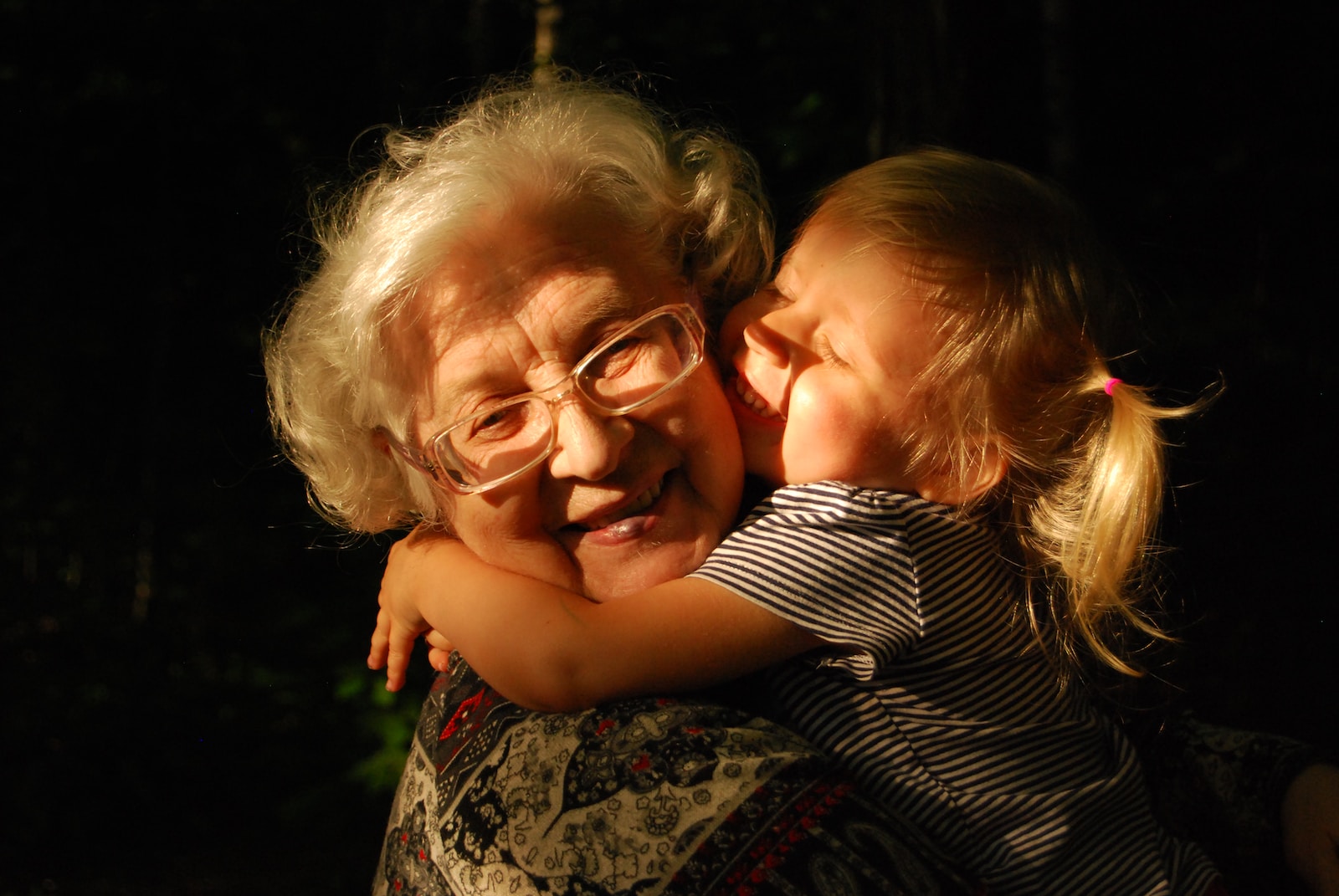
An intriguing study of 120 grandmothers might surprise you. Doctors know socially engaged people have better cognition and less dementia. But can a person get too much of a good thing? What’s the right balance?

Enjoy this great duet between a musician with dementia and his son. A triumph of spirit over Alzheimer’s! Sing-a-long if you like!

It looks like a sneeze cannot give anyone Alzheimer’s. While Alzheimer’s abnormal disease proteins do spread from cell-to-cell, they are not “infectious”. Check out the facts.