
Forgetfulness Might Depend On Time of Day
MEMORY: Can’t remember something? Try waiting until later in the day. Researchers have identified a gene in mice that seems to influence memory recall at
MEMORY: Can’t remember something? Try waiting until later in the day. Researchers have identified a gene in mice that seems to influence memory recall at

PREVENTION: RESEARCHERS reviewed data from the Framingham Heart Study to determine the latest trends in Alzheimer’s dementia. What did they discover? Learn more.

VIDEO + ARTICLE: A study at UC San Francisco has found the odds of cognitive impairment are substantially higher for people with elevated depressive symptoms

RISK ASSESSMENT VIDEO + ARTICLE: A substantial proportion of brain changes might be due to risk factors that can be modified, according to a study

THE CORONA VIRUS: Around the world, dementia researchers are studying SARS-CoV-2 virus’ (the cause of COVID-19) long-term effects on the brain and nervous system. It
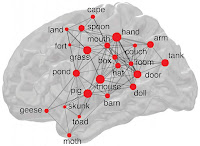
MEMORY: A new computer-model reveals fascinating insights into why we remember some words more easily than others. Can NIH researchers further develop it into memory

VIDEO: Kate Swaffer had to leave her job after she was diagnosed with dementia at the age of 49. See why she co-founded Dementia Awareness International, which is now giving a powerful voice to people with Dementia.

Microsoft Research’s SenseCam aids memory by recording a patient’s life in photos. Subsequent review of images by a patient diagnosed with severe memory impairment was extremely positive; periodic review of images resulted in significant recall of those events.

UPLIFTING AND IDEA-FILLED VIDEO: In picturesque Arnsberg, townsfolk are finding ways to make living with dementia as normal as possible.

Three important dementia studies focus on HS-AGING, a type of dementia almost as common as Alzheimer’s in the 85+ group. Yet few people have heard of it. Why? What makes it different?
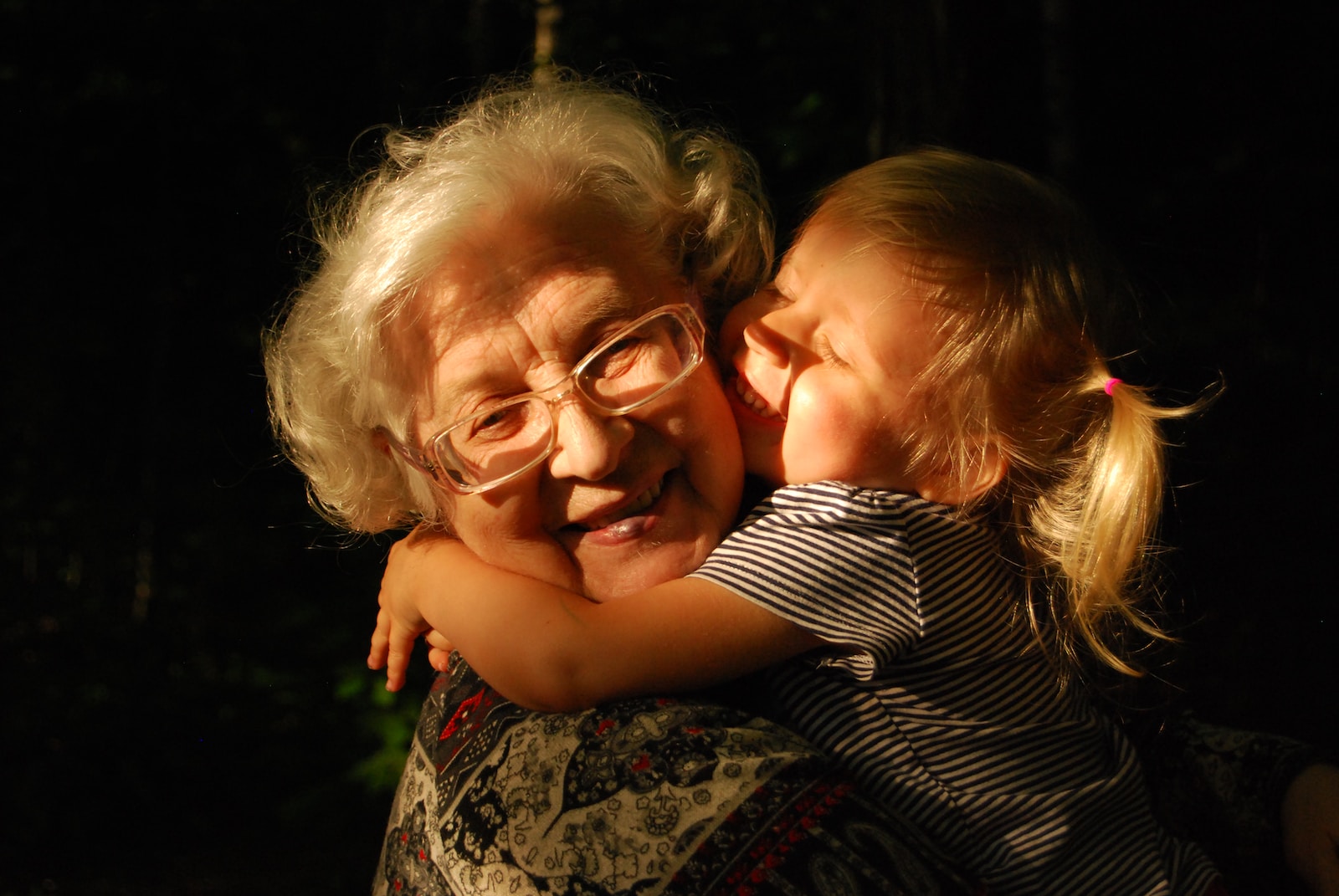
An intriguing study of 120 grandmothers might surprise you. Doctors know socially engaged people have better cognition and less dementia. But can a person get too much of a good thing? What’s the right balance?

Enjoy this great duet between a musician with dementia and his son. A triumph of spirit over Alzheimer’s! Sing-a-long if you like!

It looks like a sneeze cannot give anyone Alzheimer’s. While Alzheimer’s abnormal disease proteins do spread from cell-to-cell, they are not “infectious”. Check out the facts.