Computers Scan Health Records for Undiagnosed Alzheimer’s
Researchers are working on a new tool that can be used in primary care settings to scan electronic health records for missed dementia cases, to
Researchers are working on a new tool that can be used in primary care settings to scan electronic health records for missed dementia cases, to

In some cases, COVID-19 patients may present with neurological symptoms. Having an MRI while at the hospital, as well as monitoring after hospitalization, are important
MEDICATION: The most common drug for Alzheimer’s also increases bone mass in mice. Find out what this means for people with dementia in fear of bone
MOVIE TRAILER + ARTICLE:
Two million Americans with Alzheimer’s, stroke and other neurologic conditions suffer from symptoms of PBA. They have uncontrollable outbursts of crying or laughing. See the movie trailer and learn more about it.

PseudoBulbar Affect (PBA) is a distressing neurologic condition characterized by sudden and uncontrolled outbursts of laughing and/or crying. Learn how Nuedexta, a new drug in

FREE DOWNLOAD: This booklet is rich with care practices based on research by highly-credentialed investigators.

ALZHEIMER’S & ART – VIDEO: Art helps people with Alzheimer’s enjoy the moment. The “Contemporary Journeys” program shows, it’s a life that can still offer both great joy and meaningful experiences – through the power of art. Kate McDonald of Twin Cities PBS in Minneapolis reports.

NEUROPROTECTIVE HOLIDAY RECIPE: Brain-healthy pumpkin pie gets a new twist with a crunchy, neuroprotective walnut streusel topping. Try this easy recipe that starts with a store-bought pie crust!

Three important dementia studies focus on HS-AGING, a type of dementia almost as common as Alzheimer’s in the 85+ group. Yet few people have heard of it. Why? What makes it different?
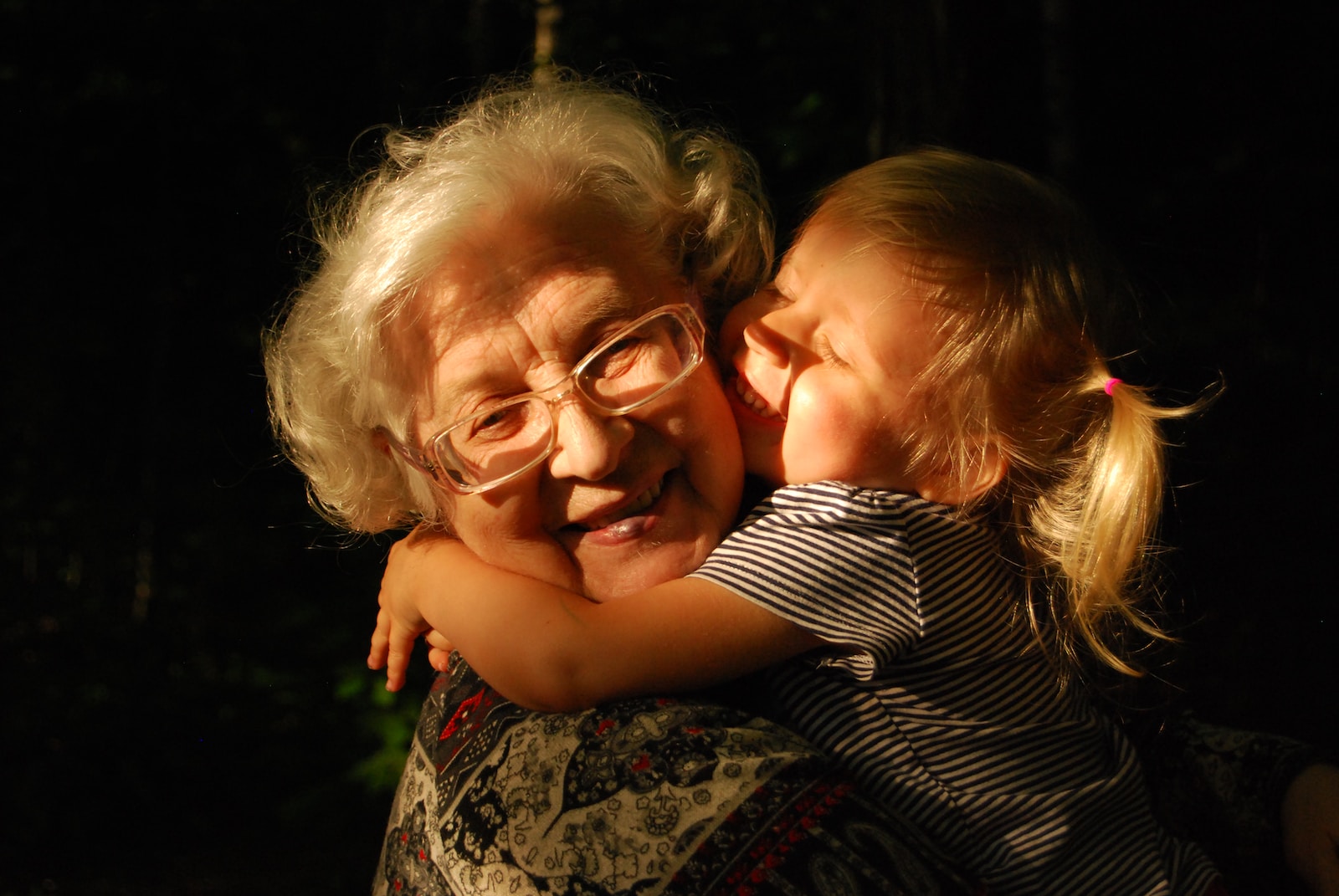
An intriguing study of 120 grandmothers might surprise you. Doctors know socially engaged people have better cognition and less dementia. But can a person get too much of a good thing? What’s the right balance?

Enjoy this great duet between a musician with dementia and his son. A triumph of spirit over Alzheimer’s! Sing-a-long if you like!

It looks like a sneeze cannot give anyone Alzheimer’s. While Alzheimer’s abnormal disease proteins do spread from cell-to-cell, they are not “infectious”. Check out the facts.