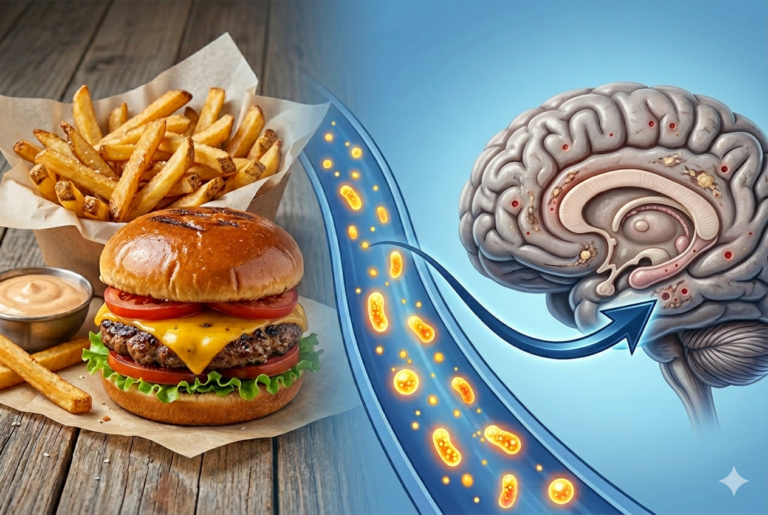
Fatty Meals Raise Endotoxins—Found in Alzheimer’s Plaques
After fatty meals, certain toxins spike in the bloodstream—and have been found inside the amyloid plaques that drive Alzheimer’s. Learn how to eat better.
After fatty meals, certain toxins spike in the bloodstream—and have been found inside the amyloid plaques that drive Alzheimer’s. Learn how to eat better.

NEW STUDY: Beetroot is known for improving blood flow—but that may matter more for dementia than many people realize. See the evidence and and what caregivers should realistically take from it.
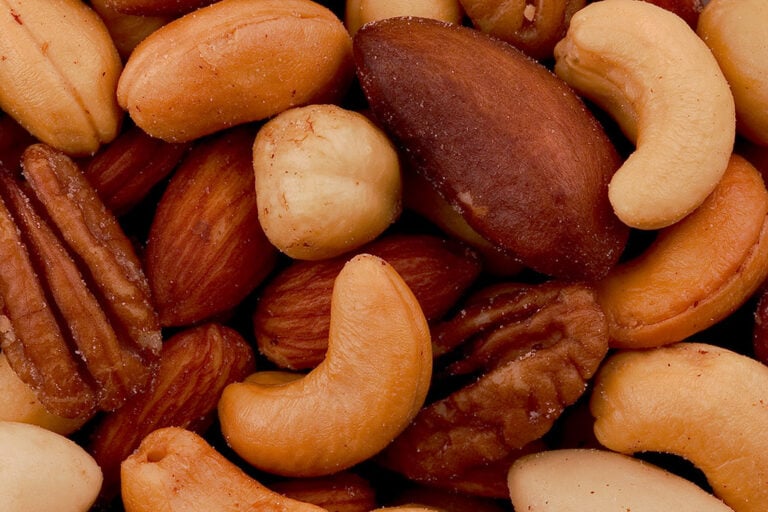
New research suggests choline—a nutrient linked to memory and cognitive resilience—may help people with Alzheimer’s and at high dementia risk. Here’s why nuts, a heart-healthy and cholesterol-free food, can play a powerful role in daily dementia care.

CNN: Mike Carver got Alzheimer’s. His wife enrolled him in a clinical trial by the famous Dr. Ornish. After 40 weeks, all four of Mike’s cognitive tests improved. See CNN’s interview. Read trial details.

Dr. Dean Ornish publishes the first trial investigating plant-based diets fighting or reversing early-stage Alzheimer’s. The results are eye-opening.

Check out these top 12 care tips to assist people with dementia. Great for family, friends and professionals!

See Dr. Geoffrey Kerchner, Memory Disorders Specialist at California’s Memory Disorders Center, answer important questions for people who have, or may have, Alzheimer’s.

What is vascular dementia, the second most common of the dementias? What causes it? Can it be prevented or cured?

Three important dementia studies focus on HS-AGING, a type of dementia almost as common as Alzheimer’s in the 85+ group. Yet few people have heard of it. Why? What makes it different?
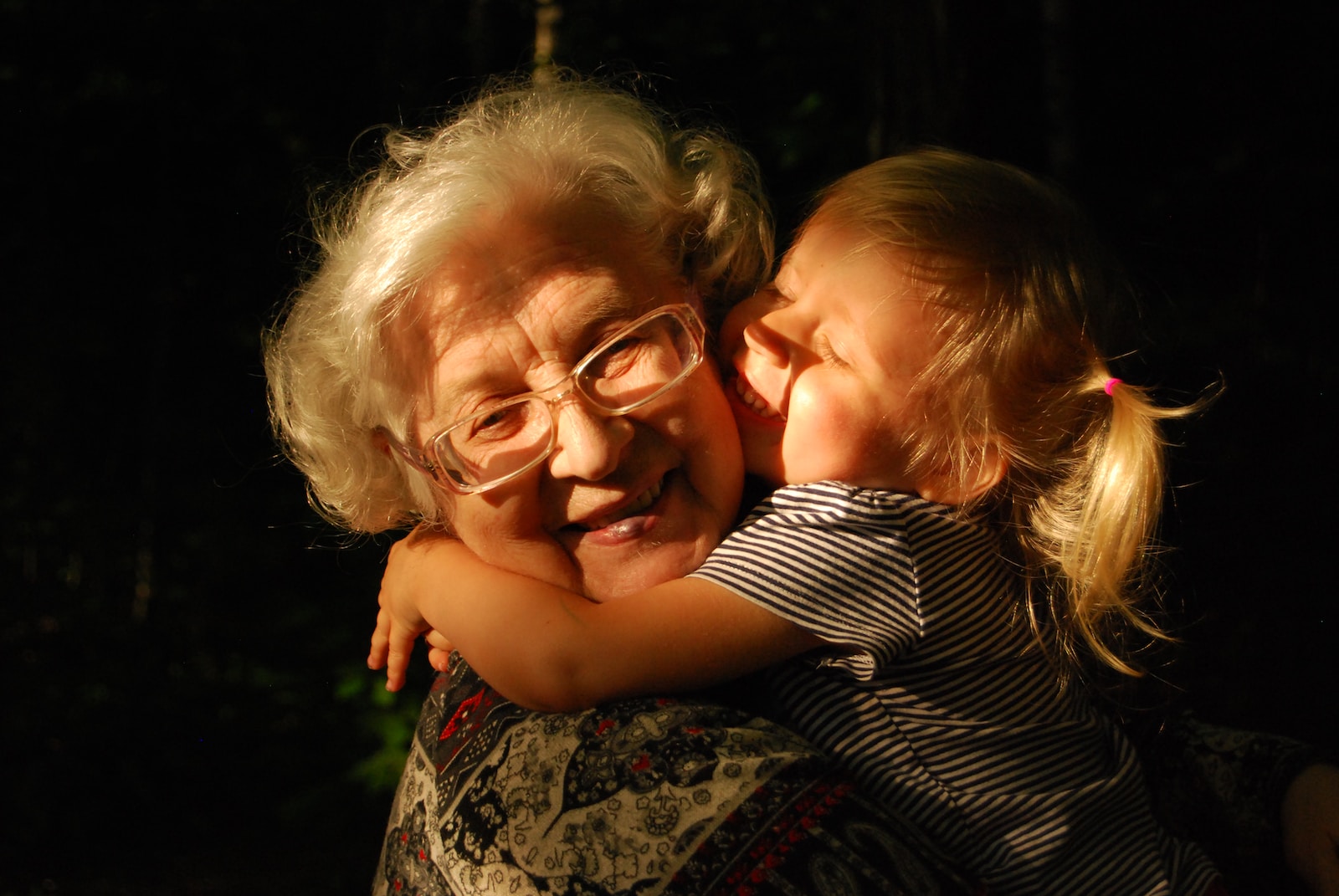
An intriguing study of 120 grandmothers might surprise you. Doctors know socially engaged people have better cognition and less dementia. But can a person get too much of a good thing? What’s the right balance?

Enjoy this great duet between a musician with dementia and his son. A triumph of spirit over Alzheimer’s! Sing-a-long if you like!

It looks like a sneeze cannot give anyone Alzheimer’s. While Alzheimer’s abnormal disease proteins do spread from cell-to-cell, they are not “infectious”. Check out the facts.


