New At-Home Leqembi: What It Means for Alzheimer’s
IMAGINE THIS: Instead of going to an infusion center for treatment, you can switch to a weekly injection at home. That’s now a reality for many Alzheimer’s patients.
IMAGINE THIS: Instead of going to an infusion center for treatment, you can switch to a weekly injection at home. That’s now a reality for many Alzheimer’s patients.

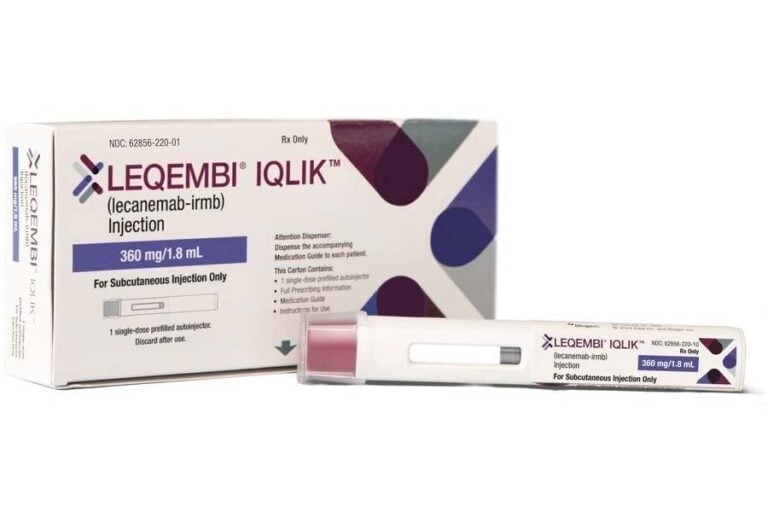
Caring for someone with Alzheimer’s is demanding enough. Now, instead of traveling for hours of infusions, families can turn to Leqembi IQLIK—a once-weekly injection approved by the FDA that makes treatment simpler, safer, and closer to home.
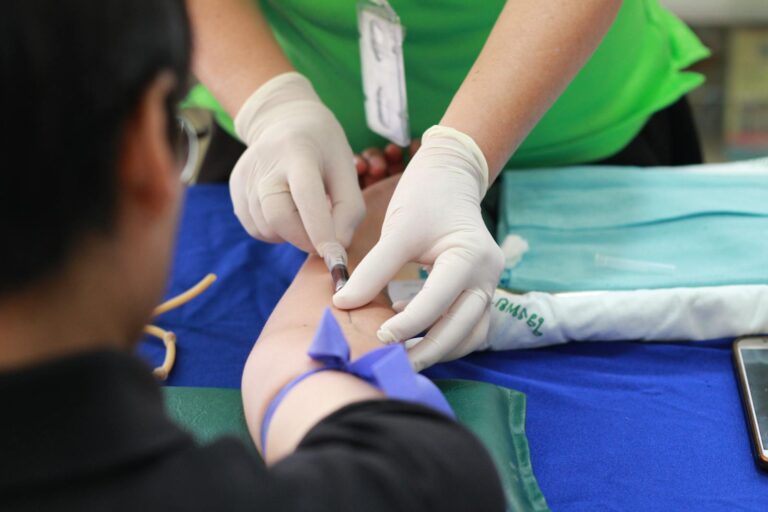
They’re not just pills—they’re precision infusions designed to slow Alzheimer’s at its source. See UCLA’s cutting-edge Amyloid Immunotherapy Care Program, and what it feels like to begin treatment with Leqembi (lecanemab) and Kisunla (donanemab).
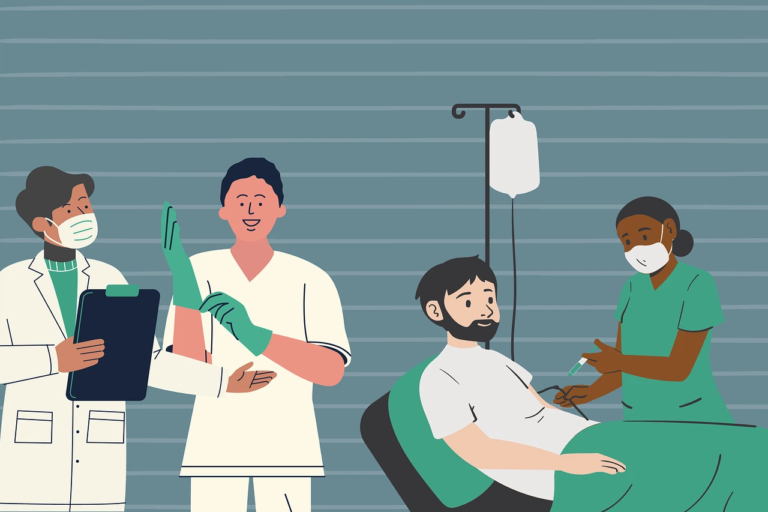
Leqembi, the first Alzheimer’s-modifying drug, is a giant step forward—but how many people are getting it, and what does it really cost the average American? We dig into the numbers, the barriers, and the path forward.

FDA approves a newly recommended dosing schedule for Kisunla (Donanemab). It’s significantly safer due to lowered ARIA-E rates, which has been the main problem with these drugs.

Lecanemab (marketed as Leqembi) is today’s top Alzheimer’s drug. Why does equitable access to this drug remain a significant challenge? What needs to be done?

Lecanemab is today’s #1 Alzheimer’s antibody. (Brand name: Leqembi) Washington University researchers found Lecanemab’s adverse events to be rare and manageable in very mild or mild Alzheimer’s.

See how the class of weight loss and diabetes drugs that includes Ozempic and Wegovy have the added benefit of protecting against the development of dementia.

Alzheimer’s rates are on the rise. How is today’s best treatment, Leqembi (generic lecanemab) doing in the fight against it?
See why Leqembi is even more effective in males than females, at fighting Alzheimer’s.

VIDEO + ARTICLE: After studying 2,000 people, learn why researchers were surprised to find that allowing ourselves to ‘feel lonely’, and NOT ‘being alone’, was associated with getting dementia. See how feeling connected keeps your brain cells connected, too.

DIET RESEARCH: Learn how diet, exercise and watching your weight will prevent insulin-resistance, and as a result, protect your brain.
Memory is particularly vulnerable to the effects of insulin resistance, according to a 20-year study.

See joy shine in Mum, 87, despite Alzheimer’s, as her family transforms their home into Mum’s supermarket, stocked with grocery favorites.

Three important dementia studies focus on HS-AGING, a type of dementia almost as common as Alzheimer’s in the 85+ group. Yet few people have heard of it. Why? What makes it different?
An intriguing study of 120 grandmothers might surprise you. Doctors know socially engaged people have better cognition and less dementia. But can a person get too much of a good thing? What’s the right balance?

Enjoy this great duet between a musician with dementia and his son. A triumph of spirit over Alzheimer’s! Sing-a-long if you like!

It looks like a sneeze cannot give anyone Alzheimer’s. While Alzheimer’s abnormal disease proteins do spread from cell-to-cell, they are not “infectious”. Check out the facts.