
Kisunla for Alzheimer’s Now 40% Safer
FDA approves a newly recommended dosing schedule for Kisunla (Donanemab). It’s significantly safer due to lowered ARIA-E rates, which has been the main problem with these drugs.
FDA approves a newly recommended dosing schedule for Kisunla (Donanemab). It’s significantly safer due to lowered ARIA-E rates, which has been the main problem with these drugs.

Lecanemab (marketed as Leqembi) is today’s top Alzheimer’s drug. Why does equitable access to this drug remain a significant challenge? What needs to be done?
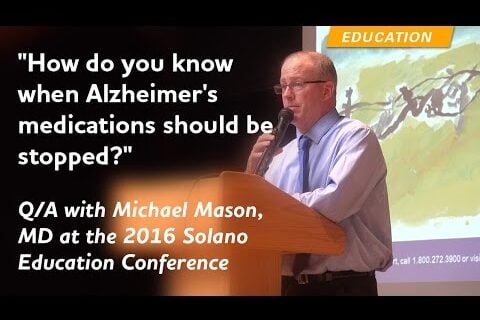
MEDICATION VIDEO:
How do you know when Alzheimer’s meds ought to be stopped? Explore the benefits of these medications, such as improved cognition, memory, behavior, lifespan, and the stages they are most effective.

Lecanemab is today’s #1 Alzheimer’s antibody. (Brand name: Leqembi) Washington University researchers found Lecanemab’s adverse events to be rare and manageable in very mild or mild Alzheimer’s.

Alzheimer’s rates are on the rise. How is today’s best treatment, Leqembi (generic lecanemab) doing in the fight against it?
See why Leqembi is even more effective in males than females, at fighting Alzheimer’s.
The European Union authorizes Leqembi as its very first Alzheimer’s drug to target an underlying cause of Alzheimer’s.

The new Alzheimer’s antibodies, Leqembi and Kisunla, work better on some people than others. A cutting-edge technique called spatial transcriptomics may help figure out how to make them work better for everybody.

A new analysis of the benefits of these Alzheimer’s treatments scores the days and ways patients succeed in living independently.

The EMA has announced its schedule for reviewing the Alzheimer’s drug Leqembi (lecanemab) for use in Europe. Meanwhile, the U.S. FDA, which already approved the drug, is moving ahead with a new version that doses Leqembi in a better, more convenient fashion for those taking the drug over the long run.

UPLIFTING AND IDEA-FILLED VIDEO: In picturesque Arnsberg, townsfolk are finding ways to make living with dementia as normal as possible.

Where words fail, music speaks. See how music can be a very powerful vehicle for communication in the various stages of dementia.

VIDEO RECIPE + RESEARCH: Enjoy a brain-boost along with great flavor. This Mediterranean-Diet plate is loaded with neuroprotective turmeric & cumin. With delicious brain-nutrients from coconut or olive oil, the flavor is exotic yet close-to-home!

Three important dementia studies focus on HS-AGING, a type of dementia almost as common as Alzheimer’s in the 85+ group. Yet few people have heard of it. Why? What makes it different?
An intriguing study of 120 grandmothers might surprise you. Doctors know socially engaged people have better cognition and less dementia. But can a person get too much of a good thing? What’s the right balance?

Enjoy this great duet between a musician with dementia and his son. A triumph of spirit over Alzheimer’s! Sing-a-long if you like!

It looks like a sneeze cannot give anyone Alzheimer’s. While Alzheimer’s abnormal disease proteins do spread from cell-to-cell, they are not “infectious”. Check out the facts.