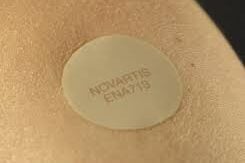
Rivastigmine Alzheimer’s Patch: New Research, Better Comfort
New studies highlight smoother tolerability, easier routines, and practical safety updates that make the rivastigmine patch an increasingly caregiver-friendly option.
New studies highlight smoother tolerability, easier routines, and practical safety updates that make the rivastigmine patch an increasingly caregiver-friendly option.

Three major GLP-1 trials came out in late 2025. One weight-loss drug slowed early Alzheimer’s decline, while two others failed. Surprisingly, this mixed pattern may point the way toward a promising new treatment direction.

New long-term data suggests lecanemab could delay the shift from mild memory loss to moderate Alzheimer’s by up to eight years—offering families precious time and renewed hope.

Leqembi is one of the first Alzheimer’s treatments proven to slow decline. A new MRI study helps explain what it can—and cannot—do in the brain’s early months, offering clearer expectations for caregivers.
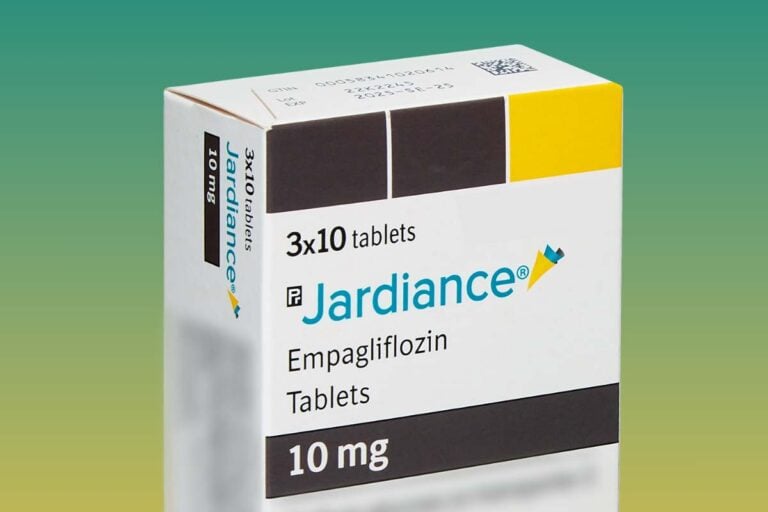
NEW RESEARCH: A diabetes medication already helping millions, called Jardiance, improves memory, strengthens blood flow, and supports overall brain health in pre- and early Alzheimer’s.
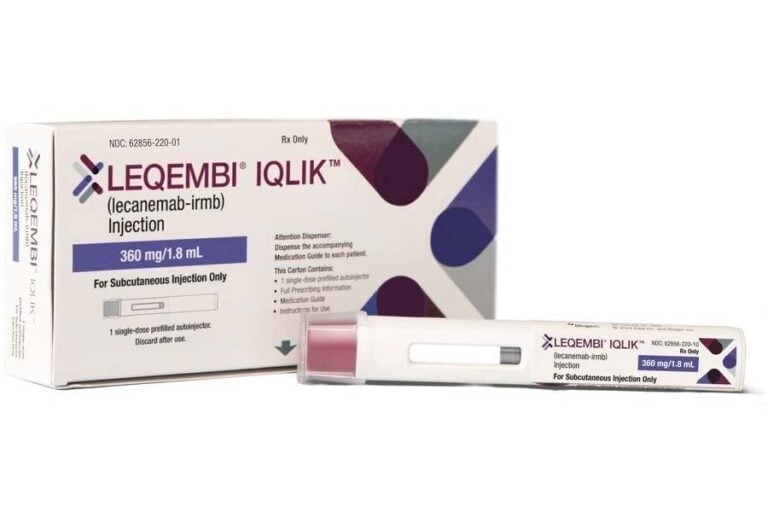
IMAGINE THIS: Instead of going to an infusion center for treatment, you can switch to a weekly injection at home. That’s now a reality for many Alzheimer’s patients.

PRODUCT OF THE WEEK: Caregivers love this pill box, as do patients and professionals. Simply fill it once a month. Roomy, simple, ingenious.
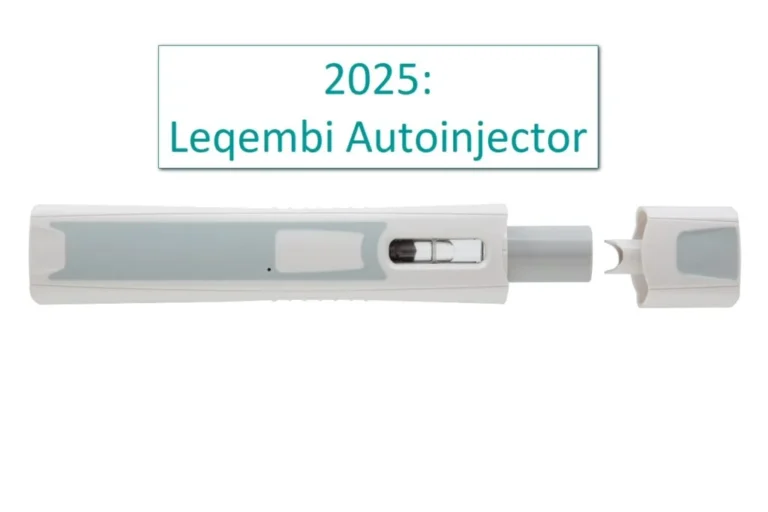
Caring for someone with Alzheimer’s is demanding enough. Now, instead of traveling for hours of infusions, families can turn to Leqembi IQLIK—a once-weekly injection approved by the FDA that makes treatment simpler, safer, and closer to home.
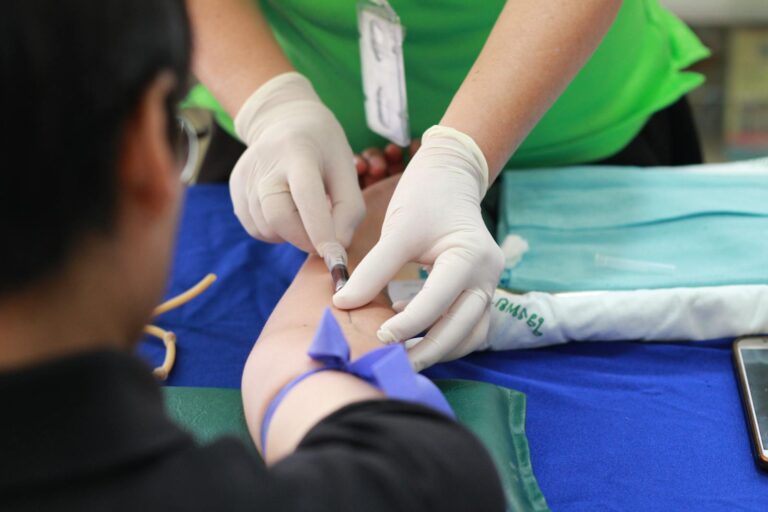
They’re not just pills—they’re precision infusions designed to slow Alzheimer’s at its source. See UCLA’s cutting-edge Amyloid Immunotherapy Care Program, and what it feels like to begin treatment with Leqembi (lecanemab) and Kisunla (donanemab).
Leqembi, the first Alzheimer’s-modifying drug, is a giant step forward—but how many people are getting it, and what does it really cost the average American? We dig into the numbers, the barriers, and the path forward.
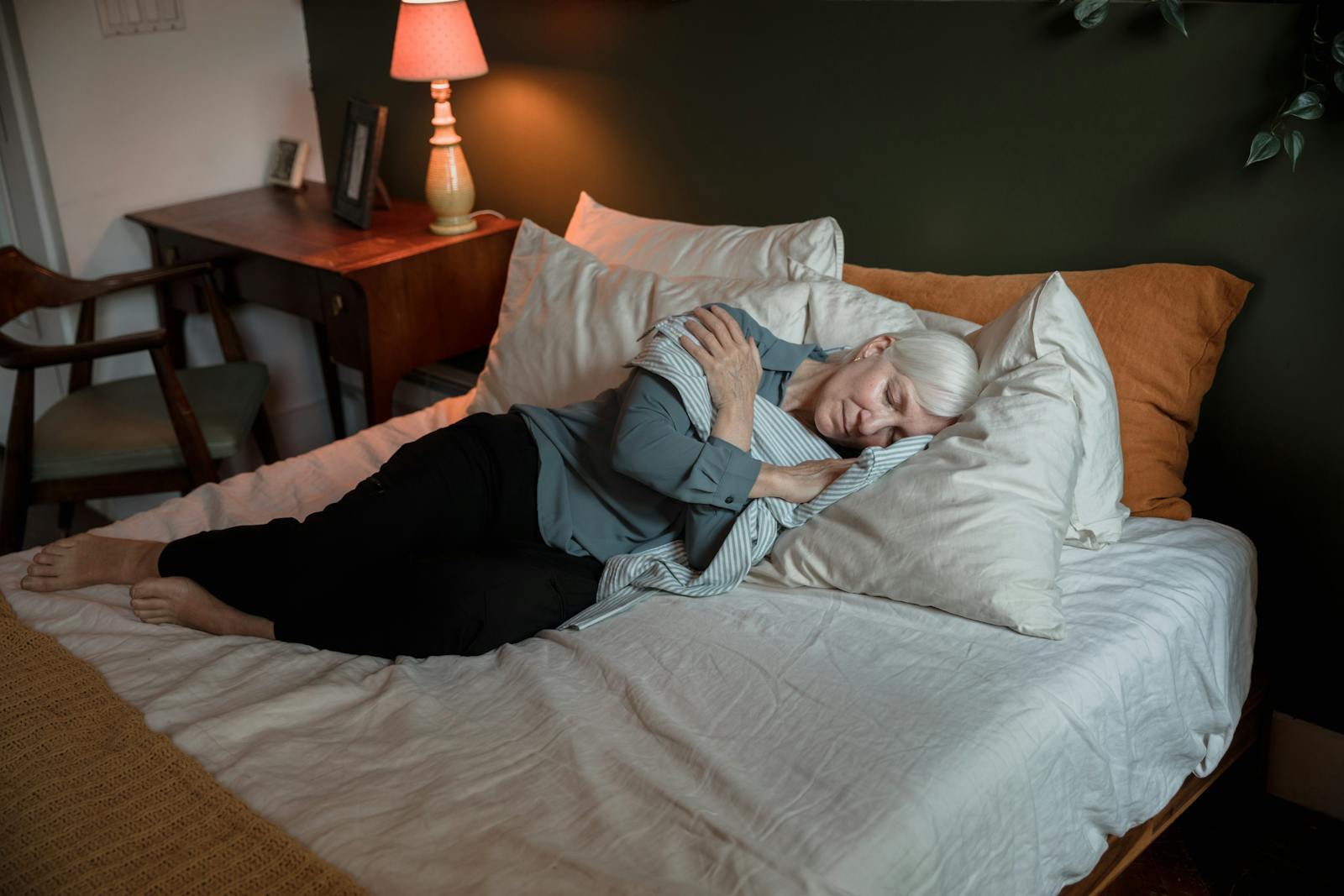
VIDEO+ARTICLE: Depth of sleep impacts our brain’s ability to wash away waste and toxic proteins. Sleep becomes lighter and disrupted as we get older. A new study reveals intriguing links between aging, sleep deprivation, and Alzheimer’s risk.
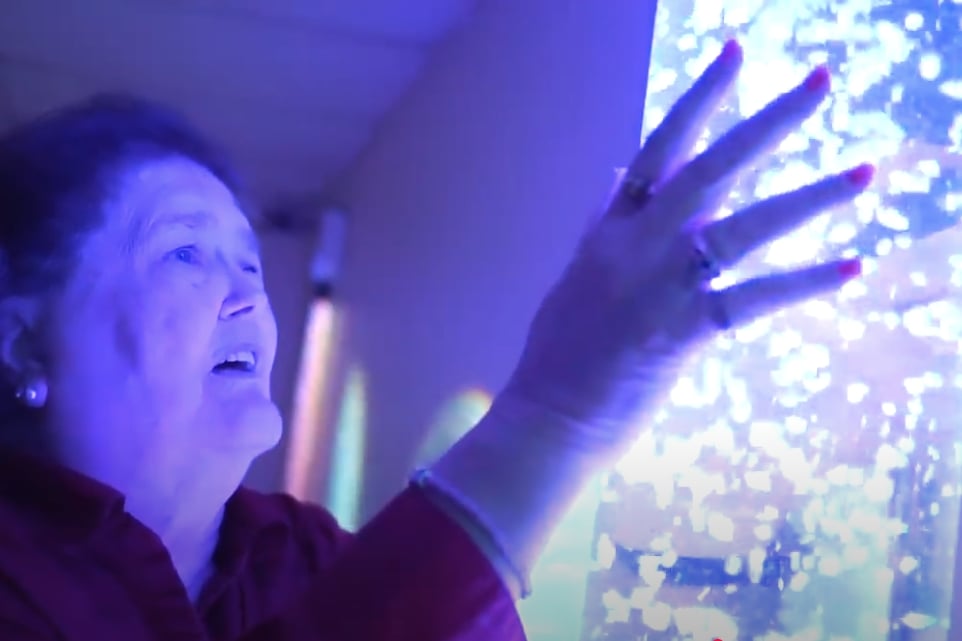
STIMULATION VIDEO: See how Snoezelen Rooms offer sensory experiences designed for dementia. “We have found more stimulation slows down the progression of the disease process.” Relax, explore, hear Frank Sinatra, enjoy calming colors, even test memory.
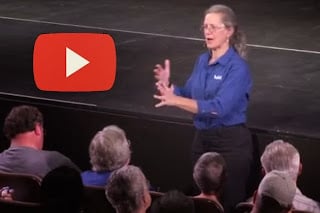
DIAGNOSIS VIDEO: TEEPA SNOW explores the challenge of getting a good diagnosis in today’s medical system. See her explain differences between Alzheimer’s and other dementias. Learn how to prepare for a brain health checkup.

Three important dementia studies focus on HS-AGING, a type of dementia almost as common as Alzheimer’s in the 85+ group. Yet few people have heard of it. Why? What makes it different?
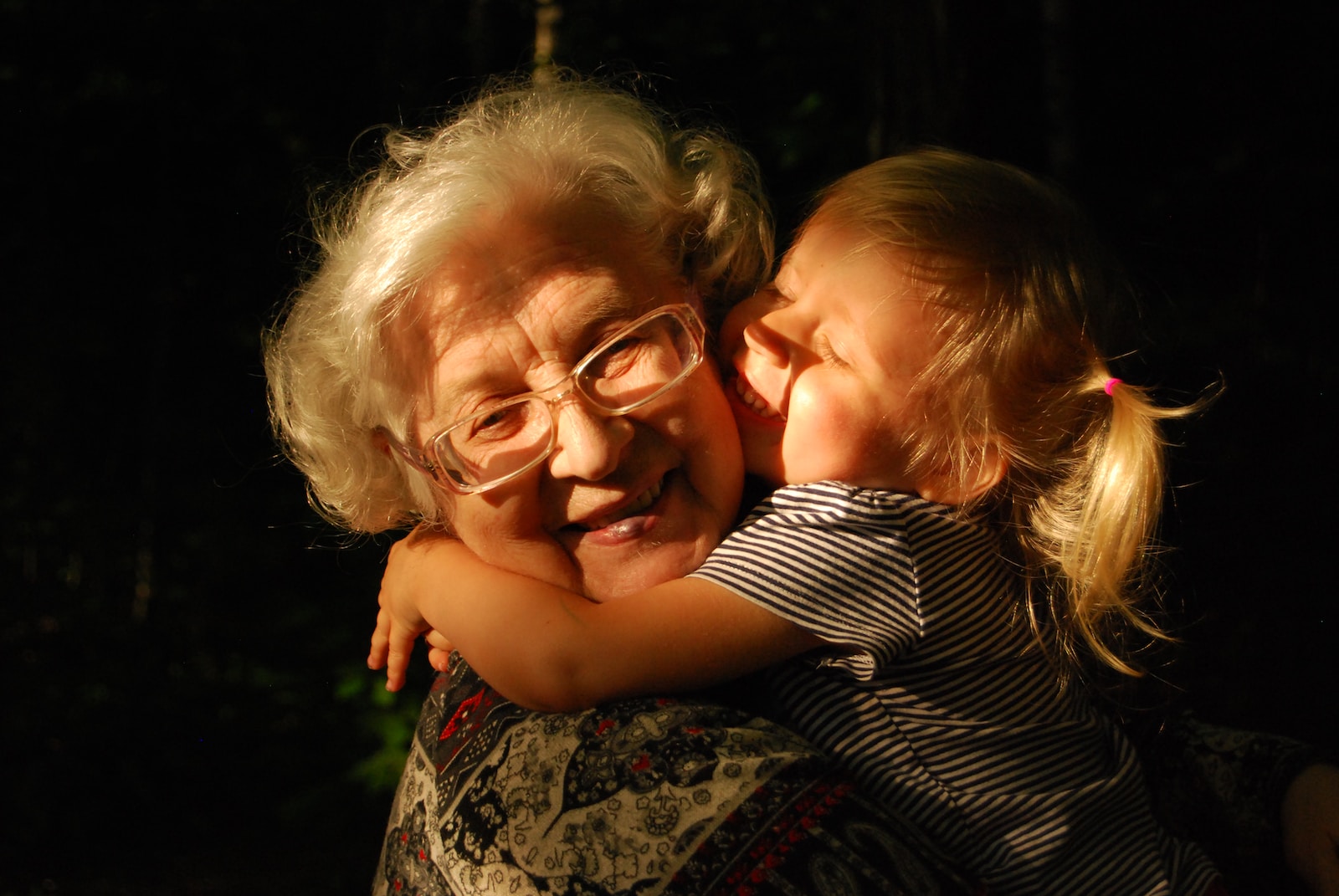
An intriguing study of 120 grandmothers might surprise you. Doctors know socially engaged people have better cognition and less dementia. But can a person get too much of a good thing? What’s the right balance?

Enjoy this great duet between a musician with dementia and his son. A triumph of spirit over Alzheimer’s! Sing-a-long if you like!

It looks like a sneeze cannot give anyone Alzheimer’s. While Alzheimer’s abnormal disease proteins do spread from cell-to-cell, they are not “infectious”. Check out the facts.