Basil May Protect Against Alzheimer’s
A preclinical study finds that a natural component in basil reduces neurotoxicity in the Alzheimer’s brain. Learn more.
A preclinical study finds that a natural component in basil reduces neurotoxicity in the Alzheimer’s brain. Learn more.

Nature provides some of the best therapies for Alzheimer’s. Daffodils specifically from Wales are a big source of Galanthamine for Alzheimer’s. Rosemary competes head-on with the Alzheimer’s drug donepezil. Learn more about these natural sources.

DIET VIDEO: See the results of a full-blown double-blind randomized trial where saffron was added to a dementia diet.
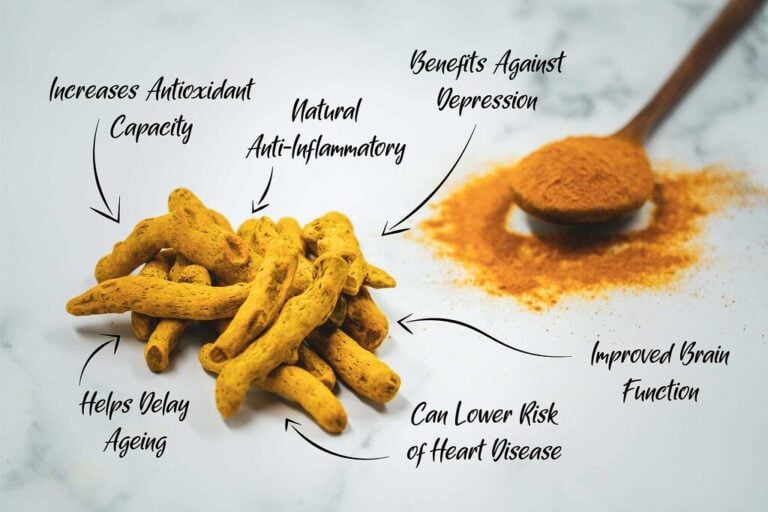
CURCUMIN (FROM TURMERIC) destroys Alzheimer’s plaque. Japanese researchers are developing an atomizer that generates a curcumin aerosol to get it past the blood-brain barrier barrier. Find out more.

CLR01, a “molecular tweezer”, keeps brain proteins from the clumping, or aggregating, that causes Alzheimer’s, Parkinson’s and Huntington’s dementia. Find out why CLR01 has strong potential as a new treatment.

A new study suggests that very low sodium intake may be linked to faster memory decline in older adults.
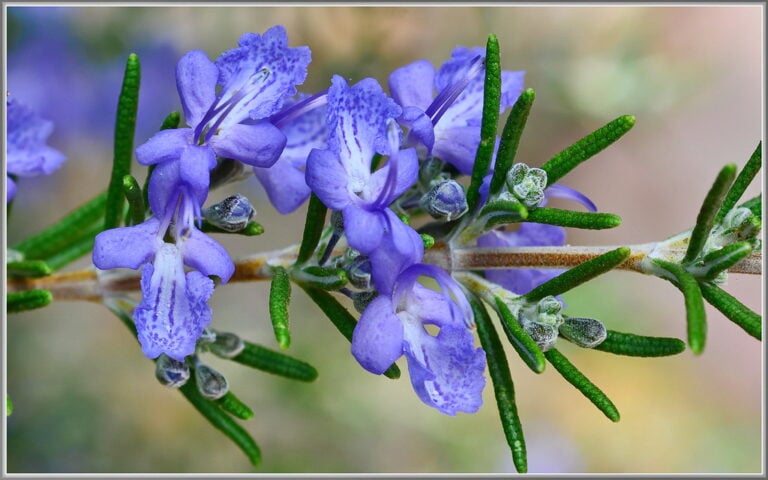
Exploring evidence on rosemary and lavender scents and cognitive performance.

The spice turmeric contains curcumin. In a UCLA study, curcumin significantly improved memory and mildly improved mood in people with memory problems.

Salk Institute’s J147 is a derivative of turmeric, a spice used in curry. Learn how it fights memory deficits and has a host of unexpected anti-aging effects in the lab.

Rosemary naturally works like Aricept® (generic: donepezil), treating Alzheimer’s by blocking AChE. Learn about rosemary’s dementia-fighting benefits from Dr. J. Duke.
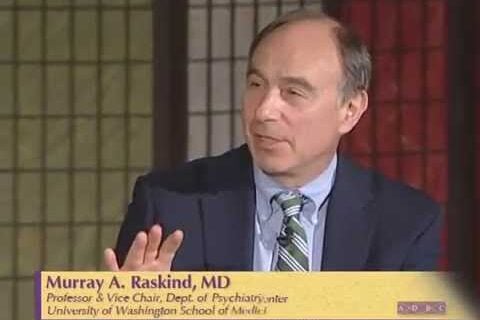
People with dementia deserve dignity and have rights. Where do we draw the line between encouraging personal choices versus following what caregivers think is best? See Dr. Murray Raskin & Dr. Linda Teri offer experienced tips.
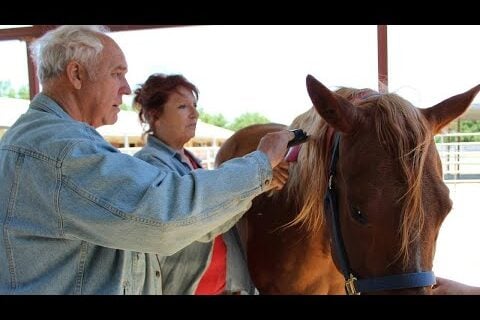
A University of California at Davis study examines how connection, through activities with horses, improves life with dementia.
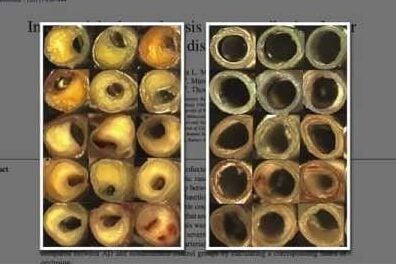
VIDEO: Vascular neglect triggers Alzheimer’s decades before symptoms appear. See how to use that knowledge to lower risk and slow its advance.

Three important dementia studies focus on HS-AGING, a type of dementia almost as common as Alzheimer’s in the 85+ group. Yet few people have heard of it. Why? What makes it different?
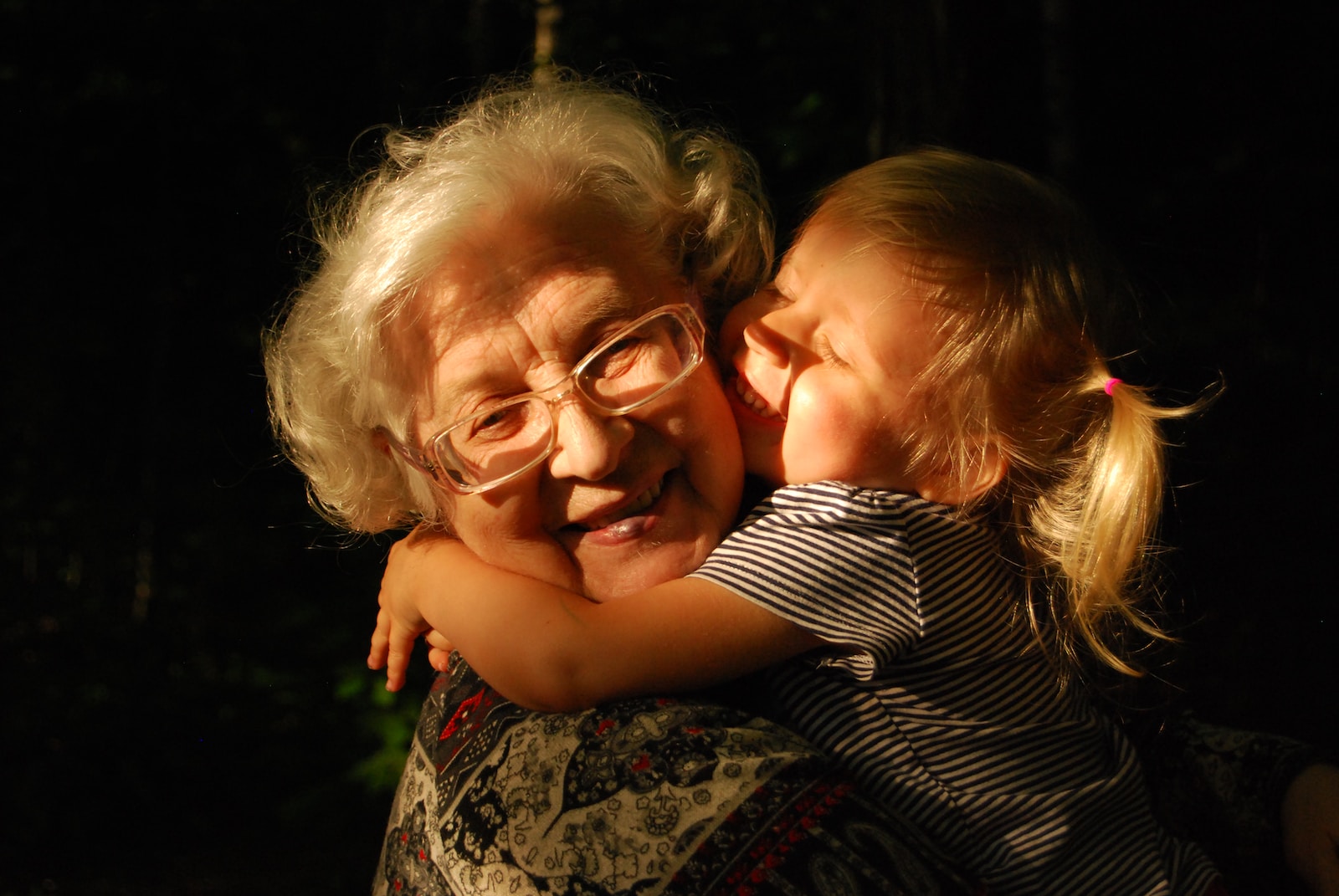
An intriguing study of 120 grandmothers might surprise you. Doctors know socially engaged people have better cognition and less dementia. But can a person get too much of a good thing? What’s the right balance?

Enjoy this great duet between a musician with dementia and his son. A triumph of spirit over Alzheimer’s! Sing-a-long if you like!

It looks like a sneeze cannot give anyone Alzheimer’s. While Alzheimer’s abnormal disease proteins do spread from cell-to-cell, they are not “infectious”. Check out the facts.