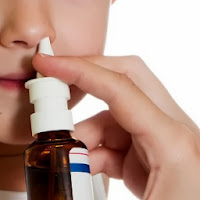
Nasal Insulin Spray Improves Alzheimer’s in Study of 60 Adults
In a recent study, insulin spray was delivered through the nose to people with Alzheimer’s and MCI. Learn about the memory improvements they achieved.
In a recent study, insulin spray was delivered through the nose to people with Alzheimer’s and MCI. Learn about the memory improvements they achieved.
UPCOMING THERAPIES: Researchers know more about old drugs than new ones. That’s why they put a lot of effort into "repurposing" existing drugs to cure

FDA-Approved riluzole improved communication between neurons in the brain’s hippocampus. So Rockefeller University researchers are conducting a clinical trial to test the effectiveness of riluzole
In recent years, the link between insulin and dementia has become widely recognized. People with diabetes develop Alzheimer’s earlier and are more likely to develop

VIDEOS + ARTICLE: Impaired insulin has been long linked to diabetes as well as Alzheimer’s. Learn how two approved diabetes drugs are showing exciting results
VIDEO + ARTICLE: Nilvadipine is a European anti-hypertensive drug. Possessing a strong safety record, the drug is showing growing evidence of fighting Alzheimer’s on 3

VIDEO: DBS (Deep Brain Stimulation) is becoming very precise. In this TED Video, DBS pacemakers connect to the brain’s fornix. This allows doctors to turn

Is there a way to speed up the search for an Alzheimer’s cure? “Drug repurposing” is one option. It takes drugs approved for one disease
VIDEO & ARTICLE: Why were people with rheumatoid arthritis getting less Alzheimer’s? Find out how the answer to this question has triggered an anti-Alzheimer’s trial

RESEARCH VIDEO – Alzheimer’s International Conference: See NIH-sponsored research exploring intranasal insulin as a potentially strong treatment for dementia.

People living with dementia can experience changed perception, often resulting in visual misinterpretation and disorientation –but simple changes in the environment can help.

VIDEO + ARTICLE: After studying 2,000 people, learn why researchers were surprised to find that allowing ourselves to ‘feel lonely’, and NOT ‘being alone’, was associated with getting dementia. See how feeling connected keeps your brain cells connected, too.

DIET RESEARCH: Learn how diet, exercise and watching your weight will prevent insulin-resistance, and as a result, protect your brain.
Memory is particularly vulnerable to the effects of insulin resistance, according to a 20-year study.

Three important dementia studies focus on HS-AGING, a type of dementia almost as common as Alzheimer’s in the 85+ group. Yet few people have heard of it. Why? What makes it different?

An intriguing study of 120 grandmothers might surprise you. Doctors know socially engaged people have better cognition and less dementia. But can a person get too much of a good thing? What’s the right balance?

Enjoy this great duet between a musician with dementia and his son. A triumph of spirit over Alzheimer’s! Sing-a-long if you like!

It looks like a sneeze cannot give anyone Alzheimer’s. While Alzheimer’s abnormal disease proteins do spread from cell-to-cell, they are not “infectious”. Check out the facts.