Comparing Alzheimer’s Blood Tests
Head-to-head study examined which blood tests most accurately detected amyloid plaques and other Alzheimer’s-related measures.
Head-to-head study examined which blood tests most accurately detected amyloid plaques and other Alzheimer’s-related measures.

“60 Minutes” interviews American neurosurgeon Dr. Ali Rezai. He is pioneering a new way to treat Alzheimer’s, focusing beams of ultrasound on the brain.

In a span of 40 years, why did average brain size increase and dementia rates drop? A new UC-Davis study explores environmental factors behind this silent revolution.

LEQEMBI® is the newest Alzheimer’s drug. It is administered in hospitals via IV. Biogen applied to the FDA for approval of a home version using an “Autoinjector”. See how it works and learn its advantages.

Galantamine treats Alzheimer’s. Artificial intelligence and biosensors may pave the way to make this drug faster and cheaper.

A long, long time ago (1930), brains were smaller. Are today’s bigger brains connected to improvements in rates of dementia?
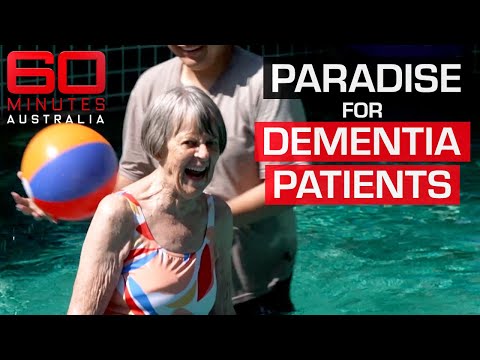
At Thailand’s Vivo Bene Dementia Resort, pampering is the priority. This special report for 60 MINUTES asks, why can’t there be facilities like Vivo Bene in Australia?
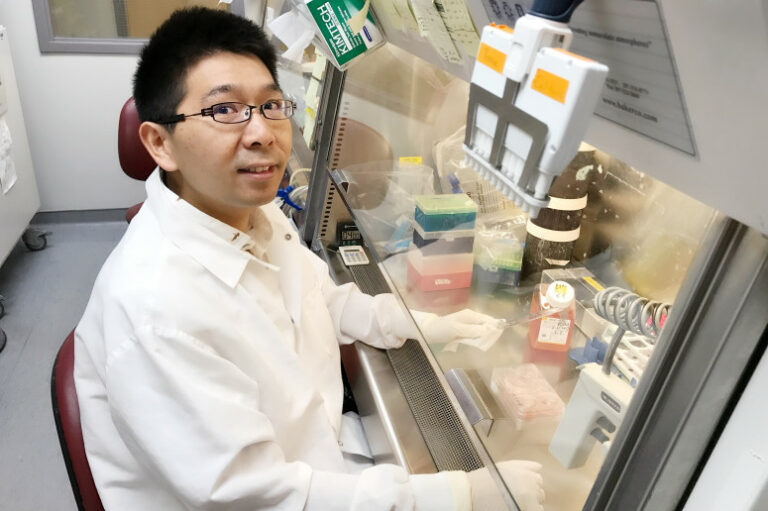
The first 3D-printed brain tissue that can grow and function like typical brain tissue is a major breakthrough for scientists in search of an Alzheimer’s cure.

Lecanemab, the newest Alzheimer’s drug, is getting a boost by focusing ultrasound waves on the blood-brain barrier. Learn more about this next step in delivering better Alzheimer’s treatments.

The first drugs for Alzheimer’s disease emerged in the 1990s, but since then there has been a wave of clinical trial failures, major companies pulling resources from neuroscience R&D, and progress.

In turns heartbreaking and inspiring, the movie “Still Alice” captures in remarkable detail what’s it’s like to live with Alzheimer’s.

DIET VIDEO: See the results of a full-blown double-blind randomized trial where saffron was added to a dementia diet.

CBS VIDEO: Traveling with Alzheimer’s? 60% of people with Alzheimer’s wander. Miss Dupuy’s dad wandered off at New York’s LaGuardia Airport. Learn key lessons from what she described as the worst day of her life. See why her family is suing American Airlines.

Three important dementia studies focus on HS-AGING, a type of dementia almost as common as Alzheimer’s in the 85+ group. Yet few people have heard of it. Why? What makes it different?
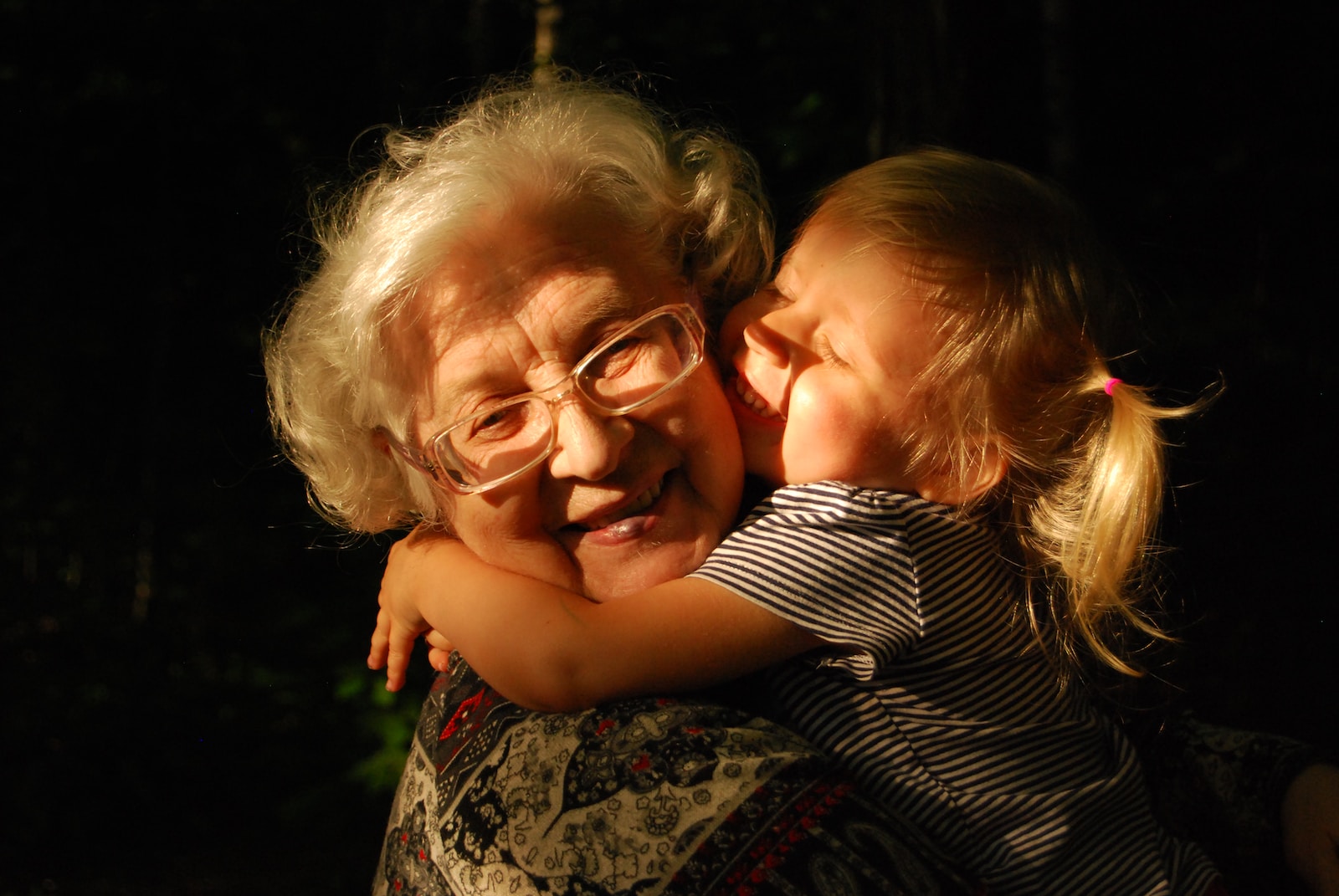
An intriguing study of 120 grandmothers might surprise you. Doctors know socially engaged people have better cognition and less dementia. But can a person get too much of a good thing? What’s the right balance?

Enjoy this great duet between a musician with dementia and his son. A triumph of spirit over Alzheimer’s! Sing-a-long if you like!

It looks like a sneeze cannot give anyone Alzheimer’s. While Alzheimer’s abnormal disease proteins do spread from cell-to-cell, they are not “infectious”. Check out the facts.