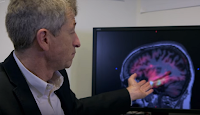
The Alzheimer’s Research Horizon
BBC – PROGRESS ON ALZHEIMER’S – VIDEO: A new era in Alzheimer’s research is dawning that suggests we are the cusp of a cure. Watch
BBC – PROGRESS ON ALZHEIMER’S – VIDEO: A new era in Alzheimer’s research is dawning that suggests we are the cusp of a cure. Watch
VIDEO: CNBC’s Meg Tirrell reports on new methods drug companies are developing to combat Alzheimer’s.

A monthly, 40-minute phone call from a non-clinical professional may suppress or reverse the trajectory of depression so frequently experienced by family members caring for

TECHNOLOGY VIDEO + ARTICLE: Will Ludwig the Robot revolutionize Alzheimer’s care around the world? Developed by the University of Toronto, see how Ludwig could help

Researchers are developing blood tests for Alzheimer’s that are less invasive and costly. A new one called Simoa may be the best answer yet.

RESEARCH: Scientists are using gold nanoparticles to create new images of the amyloid fibrils associated with Alzheimer’s disease and other neurodegenerative disorders. The fibrils are

ALZFORUM: Last year, people with dementia were most vulnerable, and this constrained research. Investigators adjusted and managed to make strides in important areas, from plasma

PROGRESS: Bill Gates donated $100,000,000 to Alzheimer’s research. Here is an excerpt from his post, “What I Learned at Work This Year,” on positive trends
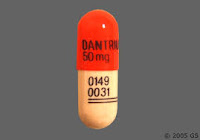
In a first-of-its-kind study, FDA-Approved Dantrolene, a muscle relaxant, was delivered through the nose to Alzheimer’s lab animals. It eased their Alzheimer’s by providing therapeutic

How can we protect our memory? Learning helps, especially for women. Find out what parts of memory benefit most, and to what degree learning deflects

SEMINAR VIDEO: Watch Dr. Terry Barclay share his passion: To help patients and families thrive – not just survive – when living with Alzheimer’s.

EMERGENCY INFOGRAPH: People with dementia are especially vulnerable in natural disasters and extreme weather. Share this infographic of 6 things you can do to prepare against unexpected conditions.

See Harvard Alzheimer’s expert Dr. Rudy Tanzi and Deepak Chopra explore cutting edge research and insights on sleep’s capacity to prevent Alzheimer’s.

Three important dementia studies focus on HS-AGING, a type of dementia almost as common as Alzheimer’s in the 85+ group. Yet few people have heard of it. Why? What makes it different?
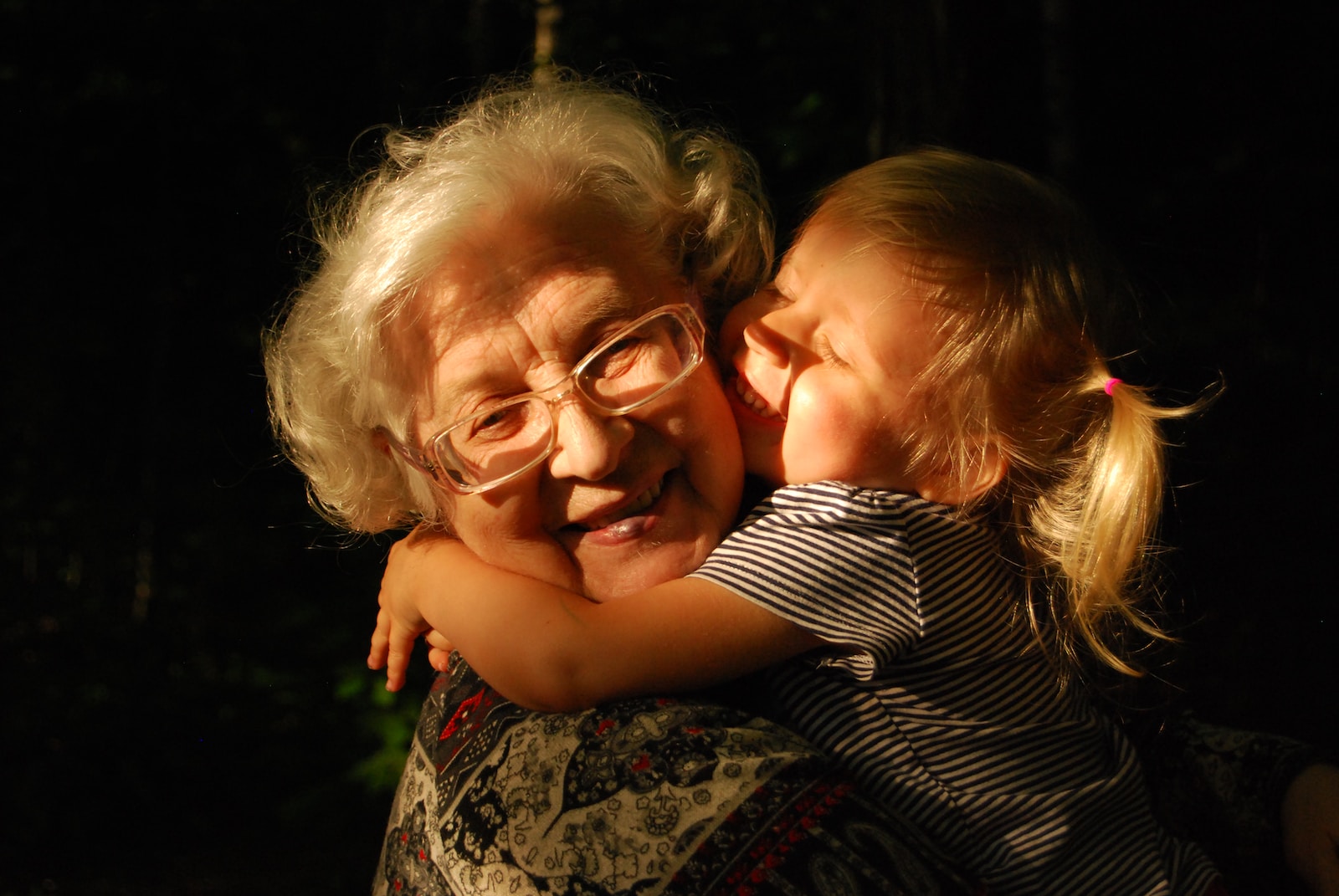
An intriguing study of 120 grandmothers might surprise you. Doctors know socially engaged people have better cognition and less dementia. But can a person get too much of a good thing? What’s the right balance?

Enjoy this great duet between a musician with dementia and his son. A triumph of spirit over Alzheimer’s! Sing-a-long if you like!

It looks like a sneeze cannot give anyone Alzheimer’s. While Alzheimer’s abnormal disease proteins do spread from cell-to-cell, they are not “infectious”. Check out the facts.