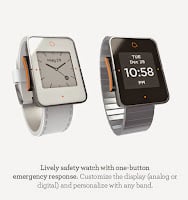
Lively Wrist Watch Helps People with Dementia Live in Their Own Home
PRODUCT OF THE WEEK VIDEO & ARTICLE: One press of Lively’s orange button gets help from friends, family or 911. The new waterproof watch for
PRODUCT OF THE WEEK VIDEO & ARTICLE: One press of Lively’s orange button gets help from friends, family or 911. The new waterproof watch for
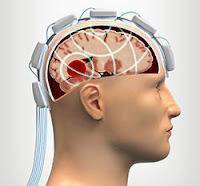
VIDEO & ARTICLE Stroke causes vascular dementia. Strokefinder enables earlier diagnosis than current methods, improving the possibility to counteract brain damage. See how.

VIDEO + ARTICLE Pfizer and Akili Interactive Labs are developing a video game to detect cognitive changes in people at-risk for Alzheimer’s. This is the
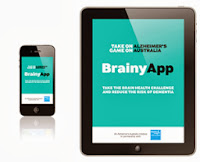
VIDEO & ARTICLE BrainyApp enhances brain & heart health. See how it helps reduce the risk of developing dementia. Download a free copy to your
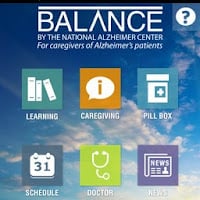
In Alzheimer’s, how can family members and physicians stay informed and connected? Technology helps. Read about the first smartphone app to integrate Alzheimer’s caregivers with

Poor sleep aggravates dementia and increases Alzheimer’s risk. Sleeping well restores and refreshes the brain. Learn to get a good night’s sleep to prevent and treat dementia. Check out these tips.

See why Leqembi is even more effective in males than females, at fighting Alzheimer’s.

Healthy foods make a healthy brain. Healthy food NETWORKS (which are the foods you eat together), may offer an even bigger benefit.

Three important dementia studies focus on HS-AGING, a type of dementia almost as common as Alzheimer’s in the 85+ group. Yet few people have heard of it. Why? What makes it different?

An intriguing study of 120 grandmothers might surprise you. Doctors know socially engaged people have better cognition and less dementia. But can a person get too much of a good thing? What’s the right balance?

Enjoy this great duet between a musician with dementia and his son. A triumph of spirit over Alzheimer’s! Sing-a-long if you like!

It looks like a sneeze cannot give anyone Alzheimer’s. While Alzheimer’s abnormal disease proteins do spread from cell-to-cell, they are not “infectious”. Check out the facts.