How Much Coffee Enhances Memory?
See the positive memory-impact of your caffeinated “morning routine”. Learn the real effects of coffee on the brain, from Johns Hopkins University.
See the positive memory-impact of your caffeinated “morning routine”. Learn the real effects of coffee on the brain, from Johns Hopkins University.

Video: Learn how to use dance effectively in dementia. See how “Bolton Dementia’s Trinity Trotters” evolved their version of dance exercises.

(VIDEO) BOOK-OF-THE-WEEK: Dr. Gayatri Devi, Neurologist at NY’s Lenox Hill Hospital, released “The Spectrum of Hope: An Optimistic and New Approach to Alzheimer’s Disease and Other Dementias.” It details a plan for people with Alzheimer’s to live more empowered and productive lives.

BEHAVIOR DRUGS & THE DICE MODEL: Doctors write millions of prescriptions each year to calm people with Alzheimer’s. Learn how non-drug dementia-caregiving works better, while carrying far fewer risks.

Aphasia affects a person’s ability to communicate. It affects language functions, such as speaking, understanding what others say, and naming common objects. Learn its causes, types and a few tips.

Learn to use photos and photo albums as a fantastic dementia activity. See how they easily reduce social isolation and depression, providing comfort to people with dementia.

VIDEO + ARTICLE: Studies show this 5-minute workout wakes up your brain cells by exercising the right body muscles. Rated as a top exercise for people aged 50+, it’s low-impact and highly effective. Go ahead, it’s easy!

How do you motivate people with Early-stage Alzheimer’s to exercise? Dr. Noorsdy has 8 ways.

An intriguing study of 120 grandmothers might surprise you. Doctors know socially engaged people have better cognition and less dementia. But can a person get too much of a good thing? What’s the right balance?

“Alive Inside” is a fascinating movie on music bridging past and present in dementia. Katie Couric talks with the personalities behind this breakthrough film.

DIET: Add nuts to your meals to eat better and fight dementia. Discover three great ways nuts help your brain-boosting diet.

Dementia’s cholinesterase inhibitors can affect trips to the bathroom, according to researchers in Houston, Texas. Learn more if you take donepezil, rivastigmine or galantamine. (Brand names Adlarity, Aricept, Ebixa, Exelon, Namzaric, Razadyne)

Check out these top 12 care tips to assist people with dementia. Great for family, friends and professionals!

Three important dementia studies focus on HS-AGING, a type of dementia almost as common as Alzheimer’s in the 85+ group. Yet few people have heard of it. Why? What makes it different?
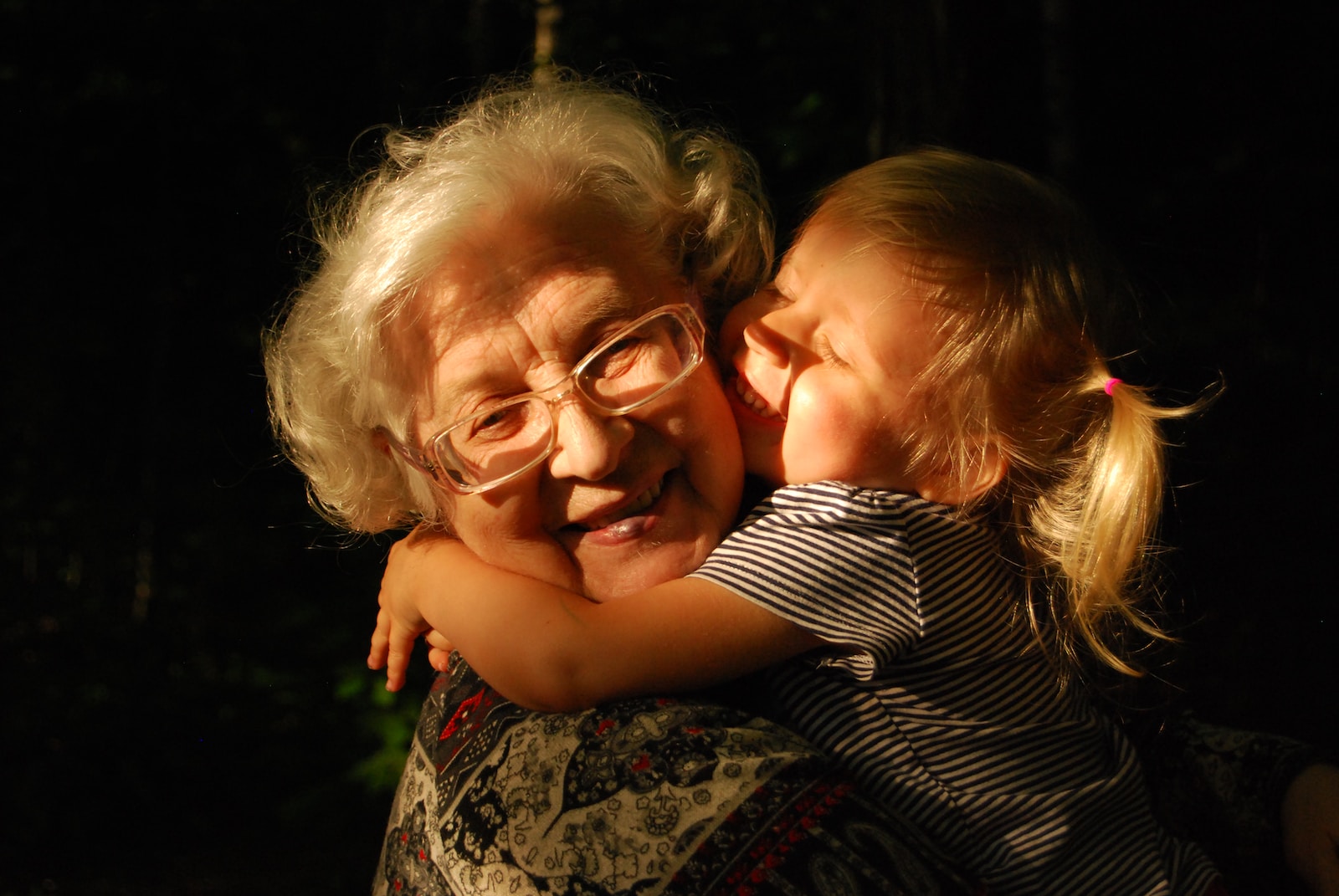
An intriguing study of 120 grandmothers might surprise you. Doctors know socially engaged people have better cognition and less dementia. But can a person get too much of a good thing? What’s the right balance?

Enjoy this great duet between a musician with dementia and his son. A triumph of spirit over Alzheimer’s! Sing-a-long if you like!

It looks like a sneeze cannot give anyone Alzheimer’s. While Alzheimer’s abnormal disease proteins do spread from cell-to-cell, they are not “infectious”. Check out the facts.