
Beet Juice Increases Blood Flow to the Brain
DRINKING beet juice can increase blood flow to the brain in older adults. The way beet juice does this holds great potential for combating dementia.
DRINKING beet juice can increase blood flow to the brain in older adults. The way beet juice does this holds great potential for combating dementia.

SOCIALIZING in your 50s and 60s strongly predicts less dementia later on. Learn why, from new research by University College London. See Ohio State University demonstrate how true it is, from animals to people.
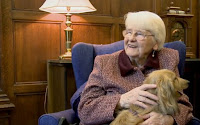
Meet Marley, a THERAPAWS therapy dog, helping the elderly that suffer from dementia. See pet therapy at work.

Fresh air and exercise, improved appetite, fewer medications and happier family visits typify the world’s first “Dementia Village”. See how an inspired nursing home manager took a dreary hospital and turned it into a respect-filled, compassionate community.

VIDEO If you live to 85, there’s a 50/50 chance of getting a dementia such as Alzheimer’s. What if you could improve those odds by
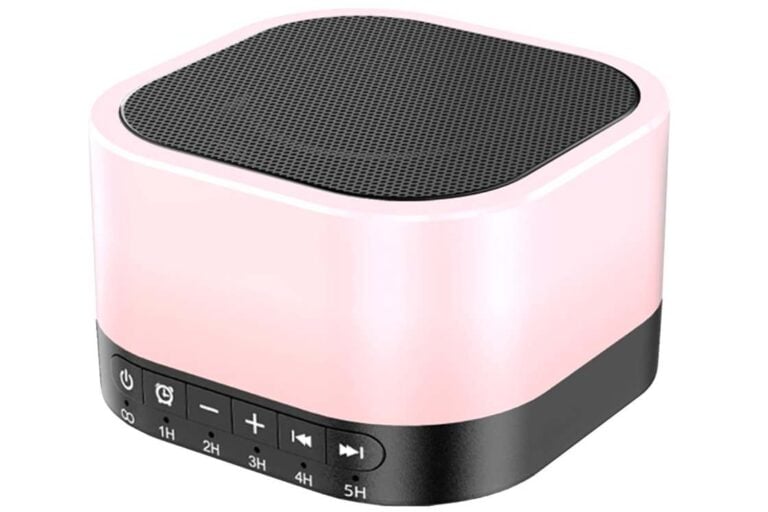
SLEEP VIDEO & ARTICLE: Sound stimulation can improve sleep and memory for people with pre-dementia. This study used easy-to-buy “pink noise” machines. See how simple sleep therapy makes a real difference.

VIDEO+ARTICLE: Sundowning in dementia can derail evenings with anxiety, agitation, and confusion. Here’s why it happens—and what actually helps.

NEW YEAR’S VIDEO & ARTICLE: New Year’s Eve can still be a fun, enjoyable experience for loved ones with dementia. It’s a perfect moment to reflect on past moments that warmed the soul.
Learn how reminiscing makes for a great activity.

Exploring evidence on rosemary and lavender scents and cognitive performance.
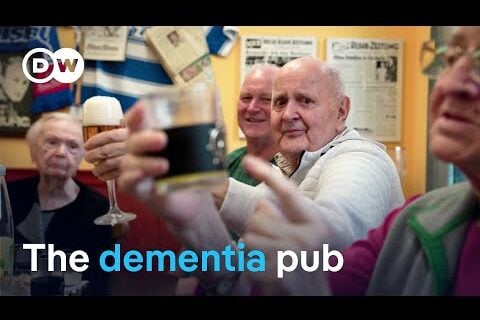
A cozy pub inside a nursing home is doing something remarkable — helping residents with dementia reconnect, open up, and feel like themselves again. Here are 10 ways this surprising space is changing daily life.

INFO + CHECKLISTS: Dementia demands preparation. When bad weather strikes, be ready. This post includes checklists to help you prepare, tips on how to ride it out, plus ways to get back on your feet in the aftermath.

LAW & MONEY: Get ahead of the legal & financial challenges of Alzheimer’s. This Fact Sheet is a great place to start.

TECH VIDEO: See how video messages break through Alzheimer’s morning fog. Learn why they perk up people with dementia. Watch this pilot program in action.

Three important dementia studies focus on HS-AGING, a type of dementia almost as common as Alzheimer’s in the 85+ group. Yet few people have heard of it. Why? What makes it different?
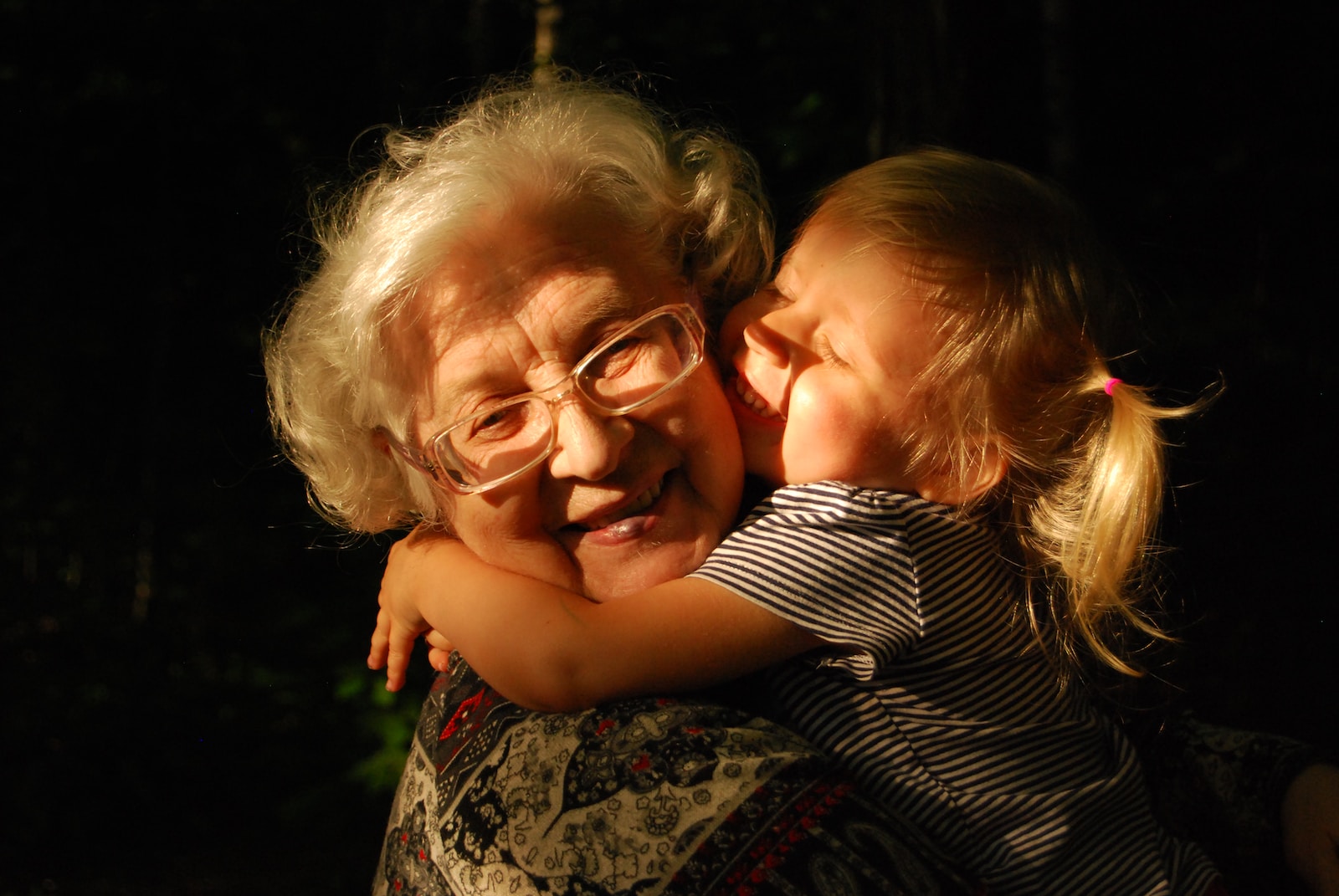
An intriguing study of 120 grandmothers might surprise you. Doctors know socially engaged people have better cognition and less dementia. But can a person get too much of a good thing? What’s the right balance?

Enjoy this great duet between a musician with dementia and his son. A triumph of spirit over Alzheimer’s! Sing-a-long if you like!

It looks like a sneeze cannot give anyone Alzheimer’s. While Alzheimer’s abnormal disease proteins do spread from cell-to-cell, they are not “infectious”. Check out the facts.