10 Ways to Use the Power of Photos for Dementia Care
Learn to use photos and photo albums as a fantastic dementia activity. See how they easily reduce social isolation and depression, providing comfort to people with dementia.
Learn to use photos and photo albums as a fantastic dementia activity. See how they easily reduce social isolation and depression, providing comfort to people with dementia.

VIDEO + ARTICLE: Studies show this 5-minute workout wakes up your brain cells by exercising the right body muscles. Rated as a top exercise for people aged 50+, it’s low-impact and highly effective. Go ahead, it’s easy!

How do you motivate people with Early-stage Alzheimer’s to exercise? Dr. Noorsdy has 8 ways.

An intriguing study of 120 grandmothers might surprise you. Doctors know socially engaged people have better cognition and less dementia. But can a person get too much of a good thing? What’s the right balance?
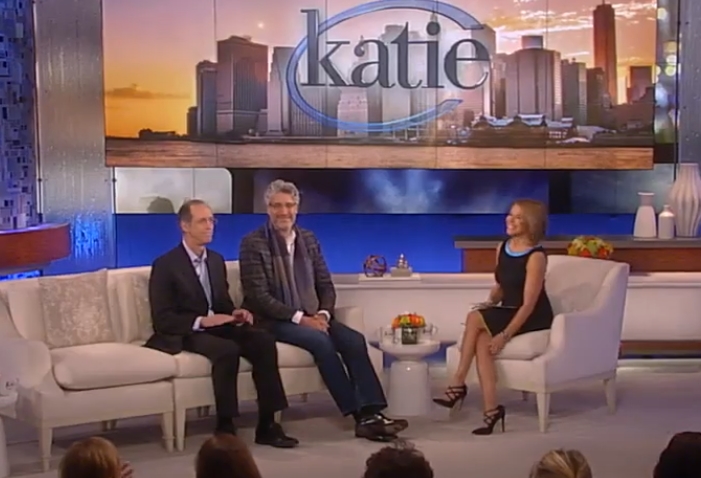
“Alive Inside” is a fascinating movie on music bridging past and present in dementia. Katie Couric talks with the personalities behind this breakthrough film.

Hearing loss and dementia may be linked, but there is a silver lining here.

Music’s effect on the brain fascinated neurologist Oliver Sacks, MD. His research led him to helping people with Alzheimer’s. Watch this best-selling author share how dementia, without exception, responds to music.

FULL MOVIE: “The 5th Dementia” is a diverse music band of people with dementia. When the music starts, they are transformed, diving in with no sheet music. Watch powerfully personal stories reveal this inexplicable phenomena.

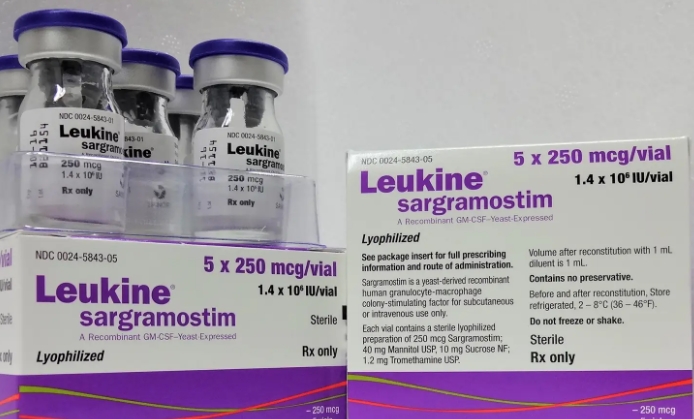
CURCUMIN (FROM TURMERIC) destroys Alzheimer’s plaque. Japanese researchers are developing an atomizer that generates a curcumin aerosol to get it past the blood-brain barrier barrier. Find out more.

Damon McLeese is teaching Alzheimer’s patients to leverage their power to forget, by forgetting to “stay within the lines,” using graffiti. See Damon tell the heartwarming story of his latest collaboration.
Don’t just be good to others, Be good to yourself, too.
Swiss researchers find that people with certain personality traits are protected against Alzheimer’s disease, including those who are less agreeable, had natural curiosity, and were nonconformists. Find out why.
If you’ve found a way to make Alzheimer’s care easier or more compassionate, Maude’s Awards want to hear about it.

Drinking to fight dementia? Which drinks are good and which are bad?
Harvard & Cleveland Clinic researchers offer scientific advice.
In dementia, art is often expressed at a much higher level than other activities. People engaged in artistic activities when they were healthy may hold on to these abilities in a way that seems to defy Alzheimer’s. See the remarkable case of one Canadian sculptor.

One woman held the genetic key to unlock the mystery of how she was the only one free of early-onset Alzheimer’s, out of 1,200 members of a South American family,
Researchers say it takes a dozen “intervention sessions” to improve cognition in those at risk for Alzheimer’s and other dementias.