

Leqembi’s Real Advantage Isn’t the Drug — It’s the Network
The diagnostic and treatment network behind Leqembi may be its biggest competitive edge.

Why Leqembi Works: Fc Activates the Brain’s Cleanup Crew
New research reveals that Leqembi’s Fc region switches on microglia — the brain’s immune cells — helping them clear toxic…
What 400 Alzheimer’s Patients Gained From Leqembi and Kisunla
In a one-hour seminar, a leading neurologist answers the most important questions families ask about what these new therapies can…

Leqembi Likes Asia's Genes. Why?
New evidence suggests genetics—not geography—may explain why Leqembi causes fewer ARIA brain side effects in parts of Asia, and what…

Leqembi Prescriptions Could Rise Sharply. Why?
Alzheimer’s treatment eligibility may be far larger than previously thought. A major Nature study using blood tests suggests millions more…

Leqembi: Slowing Alzheimer’s — What You Need to Know
Leqembi is one of the first Alzheimer’s treatments proven to slow decline. A new MRI study helps explain what it…
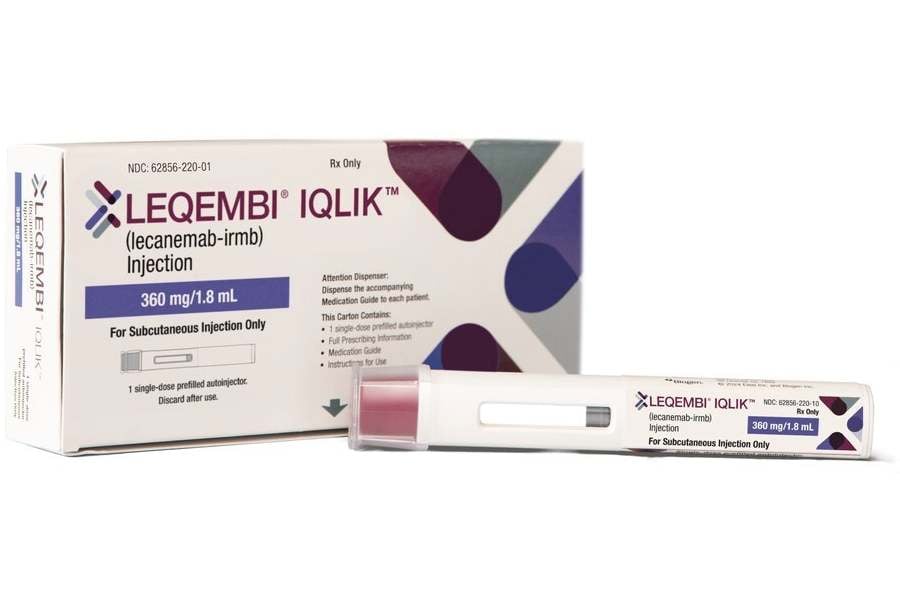
New At-Home Leqembi: What It Means for Alzheimer's
IMAGINE THIS: Instead of going to an infusion center for treatment, you can switch to a weekly injection at home.…

3-Minute 'Fastball' Alzheimer’s Test Could Speed Access to Leqembi
Access to Leqembi, the new Alzheimer’s drug, has been slowed by lengthy diagnoses. The “Fastball” brainwave test could change that…

Leqembi and Kisunla: Inside the Infusion Experience
They’re not just pills—they’re precision infusions designed to slow Alzheimer’s at its source. See UCLA’s cutting-edge Amyloid Immunotherapy Care Program,…

"Is Leqembi Worth It?" Costs and the Road to Wider Access
Leqembi, the first Alzheimer's-modifying drug, is a giant step forward—but how many people are getting it, and what does it…

How Many Leqembi Patients Are There?
Alzheimer's rates are on the rise. How is today's best treatment, Leqembi (generic lecanemab) doing in the fight against it?

Leqembi Best at Fighting Alzheimer's in Men
See why Leqembi is even more effective in males than females, at fighting Alzheimer's.
Leqembi Becomes Europe's First Alzheimer's Antibody
The European Union authorizes Leqembi as its very first Alzheimer's drug to target an underlying cause of Alzheimer's.

Leqembi & Kisunla: Extending Independent Living
A new analysis of the benefits of these Alzheimer's treatments scores the days and ways patients succeed in living independently.

Leqembi: Europe Checks It's Safety; U.S. Approves Monthly Doses
The EMA has announced its schedule for reviewing the Alzheimer's drug Leqembi (lecanemab) for use in Europe. Meanwhile, the U.S.…

Is Leqembi Shrinking the Alzheimer's or the Brain?
Leqembi and Kisunla are the new Alzheimer's immunotherapies. A loss of brain volume associated with these immunotherapies may be caused…

Catching Up to America: Europe Recommends Leqembi® for Alzheimer's
The European Medicines Agency (EMA) recommended approving Leqembi® (generic lecanemab) for Alzheimer's. Originally skeptics, learn how the "Clarity AD" trial…

Leqembi Autoinjector to Treat Alzheimer's in Seconds, Not Hours
Leqembi is an FDA-Approved Alzheimer's treatment. Hospital infusions take an hour each. 2025 is looking to see a new 15-second…

3 Questions on Leqembi & Kisunla, the New Alzheimer's Drugs
The 2 newest Alzheimer's drugs, Leqembi (lecanemab) and Kisunla (donanemab) show promise, but many questions remain. Here are the three…

Leqembi: Pioneering Alzheimer’s Drug Faces Challenge in Europe
While the initial headlines might seem discouraging, there’s always more to the story. 🌟

How to Choose Between Kisunla vs. Leqembi, The New Alzheimer's Drugs
The newest Alzheimer's drugs, Kisunla and Leqembi, are the first to actually slow down Alzheimer's. How do they compare to…

Leqembi Launched in China to Fight Alzheimer's
China is the third country to launch LEQEMBI for sale, to fight Alzheimer's, following the United States and Japan.

Making it Easier to Take Leqembi for Alzheimer's
A drug for Alzheimer’s, called Leqembi, might soon be given less often. Right now, patients get it through a drip…

What Treats Alzheimer's Better? Leqembi or a Plant Based Diet?
Dr. Dean Ornish publishes the first trial investigating plant-based diets fighting or reversing early-stage Alzheimer's. The results are eye-opening.

LEQEMBI® for Alzheimer’s Now in USA, China, Japan, South Korea
South Korea joined other countries in approving LEQEMBI® (generic lecanemab) for mild cognitive impairment, mild and early Alzheimer's. Learn how…

Leqembi Injection, an Easier Alzheimer's Treatment, Awaits FDA Approval
LEQEMBI® is the newest Alzheimer's drug. It is administered in hospitals via IV. Biogen applied to the FDA for approval…

Carolyn Davis Talks About Her Leqembi Infusions
The newest and most promising drug to fight Alzheimer's is Leqembi. Carolyn Davis is giving it a try. Learn about…

Leqembi for Alzheimer's: Patient and Doctor Hopeful After First 6 Months
The first doses of the newly approved Alzheimer's drug "Leqembi" were administered in Louisville. More than 100 people have signed…

Aduhelm for Alzheimer's Discontinued. Is Leqembi Any Better?
Biogen reprioritize resources allocated to ADUHELM® to advance LEQEMBI®.

Leqembi: An Alzheimer's Drug Worth Rooting For?
At long last, we finally have a disease-modifying drug for Alzheimer’s. The FDA recently approved a new drug that promises…