
Alzheimer’s Agitation Drug AVP-923 Clears Next Hurdle
Agitation and aggression are among the most disruptive symptoms of Alzheimer’s. They effect 60% of people living at home and 80% of people in care
Agitation and aggression are among the most disruptive symptoms of Alzheimer’s. They effect 60% of people living at home and 80% of people in care

VIDEO: B. Smith and husband Dan Gasby reflect on her devastating early-onset Alzheimer’s diagnosis, sharing their fight for a cure at the Alzheimer’s Drug Discovery
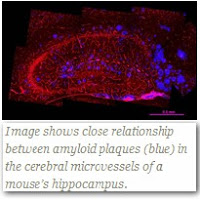
Most researchers think amyloid plaque is the culprit behind Alzheimer’s. They know it damages brain cells. Now they are finding it also accumulates in blood

HEALTHCARE: Is the introduction of a British financial incentive to doctors for diagnosing dementia a dangerous precedent?

VIDEOS + ARTICLE: Impaired insulin has been long linked to diabetes as well as Alzheimer’s. Learn how two approved diabetes drugs are showing exciting results

Olivia felt she may one day need a place with more help. She was a lady who enjoyed her own decisions and had her own intentions. See what she did about it.

As research continues, cures for dementias such as Huntington’s are within our grasp. Your support can help make the next discovery possible.

VIDEO: Director James Keach shares what went on behind-the-scenes in his new Glen Campbell movie, “I’ll Be Me”. See him describe how a 5 week
VIDEO + ARTICLE: Nilvadipine is a European anti-hypertensive drug. Possessing a strong safety record, the drug is showing growing evidence of fighting Alzheimer’s on 3

VIDEO: DBS (Deep Brain Stimulation) is becoming very precise. In this TED Video, DBS pacemakers connect to the brain’s fornix. This allows doctors to turn

15 TIPS on how to limit wandering and prevent a person with dementia from becoming lost. (60% of people with dementia will wander off at some point.)

MUSIC: Famously known as the Songaminute Man, Ted is living with dementia, even as he enjoys singing on. Watch this wonderful sampling of his songs, along with a one-of-a-kind interview on BBC’s “The One Show”.

Our change in diet has been proposed as being the underlying reason for the dramatic increase in the prevalence of Type II diabetes that we are observing worldwide in our time. What’s that doing to our brains?

Three important dementia studies focus on HS-AGING, a type of dementia almost as common as Alzheimer’s in the 85+ group. Yet few people have heard of it. Why? What makes it different?
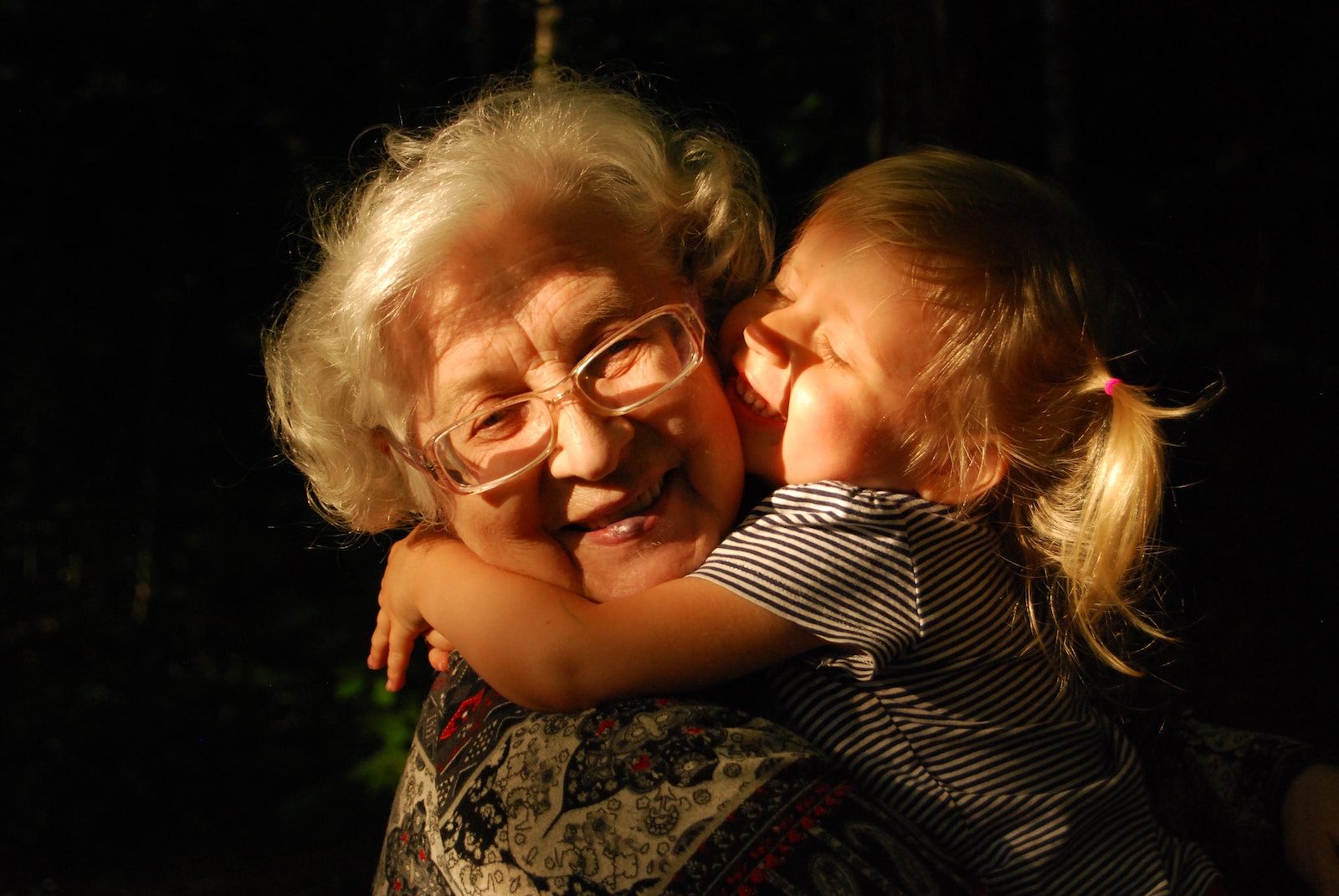
An intriguing study of 120 grandmothers might surprise you. Doctors know socially engaged people have better cognition and less dementia. But can a person get too much of a good thing? What’s the right balance?

Enjoy this great duet between a musician with dementia and his son. A triumph of spirit over Alzheimer’s! Sing-a-long if you like!

It looks like a sneeze cannot give anyone Alzheimer’s. While Alzheimer’s abnormal disease proteins do spread from cell-to-cell, they are not “infectious”. Check out the facts.