Nuedexta to Relieve Outbursts of Laughter or Tears in Alzheimer’s
PseudoBulbar Affect (PBA) is a distressing neurologic condition characterized by sudden and uncontrolled outbursts of laughing and/or crying. Learn how Nuedexta, a new drug in
PseudoBulbar Affect (PBA) is a distressing neurologic condition characterized by sudden and uncontrolled outbursts of laughing and/or crying. Learn how Nuedexta, a new drug in
VIDEO & ARTICLE: Why were people with rheumatoid arthritis getting less Alzheimer’s? Find out how the answer to this question has triggered an anti-Alzheimer’s trial

RESEARCH VIDEO – Alzheimer’s International Conference: See NIH-sponsored research exploring intranasal insulin as a potentially strong treatment for dementia.

VIDEO & ARTICLE – ALZHEIMER’S INTERNATIONAL CONFERENCE: 4 trials unveil new successes in using eye scans and smell tests for Alzheimer’s.

VIDEO & ARTICLE – ALZHEIMER’S INTERNATIONAL CONFERENCE: While the sheer number of people with Alzheimer’s continues to rise with the growing population of American elders,

Florida researchers noticed that people with cancer tended not to get Alzheimer’s disease. So, FDA approved anti-cancer drugs were screened to see how well they
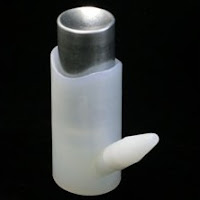
The BBB (blood-brain barrier) has long blocked many oral drugs from getting to the brain. Nose-to-brain delivery of Alzheimer’s drugs is a breakthrough technique that
VIDEO & ARTICLE: Alzheimer’s starts doing damage years before anyone notices any signs. Many doctors believe that if we could only catch it early enough,
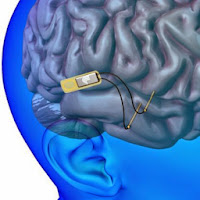
Can an implantable neural device stimulate brain cells to help restore memory? Find out why the U.S. Department of Defense is betting millions that it

Roche’s “Brain Shuttle” technology is helping antibodies fight Alzheimer’s. The body’s “Blood-Brain Barrier” blocks antibodies from getting to an Alzheimer’s brain. Learn how the Roche
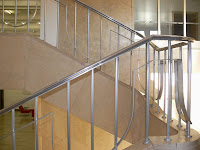
EMERGENCIES due to falling happen 54% more often in dementia. As a rule, 1-in-3 adults over 65 fall each year. Most falls happen at home. Make a few simple changes and prevent falls.

Researchers find that a diet including more fruit, vegetables, beans and tea or coffee lowers the risk of developing dementia later in life. Learn more.
Researchers find education and intellectual stimulation appear to activate a genetic program in the brain that promotes resistance to cognitive decline. Find out more.

Enjoy this great duet between a musician with dementia and his son. A triumph of spirit over Alzheimer’s! Sing-a-long if you like!

It looks like a sneeze cannot give anyone Alzheimer’s. While Alzheimer’s abnormal disease proteins do spread from cell-to-cell, they are not “infectious”. Check out the facts.

TEEPA CARE VIDEO: Learn about Alzheimer’s 6 stages. Teepa Snow shows what to expect, while keeping the focus on the person for whom you care.

Melvyn Amrine may not have remembered the details of his life since his Alzheimer’s diagnosis, but he sure proved that his love for his wife transcended memory.