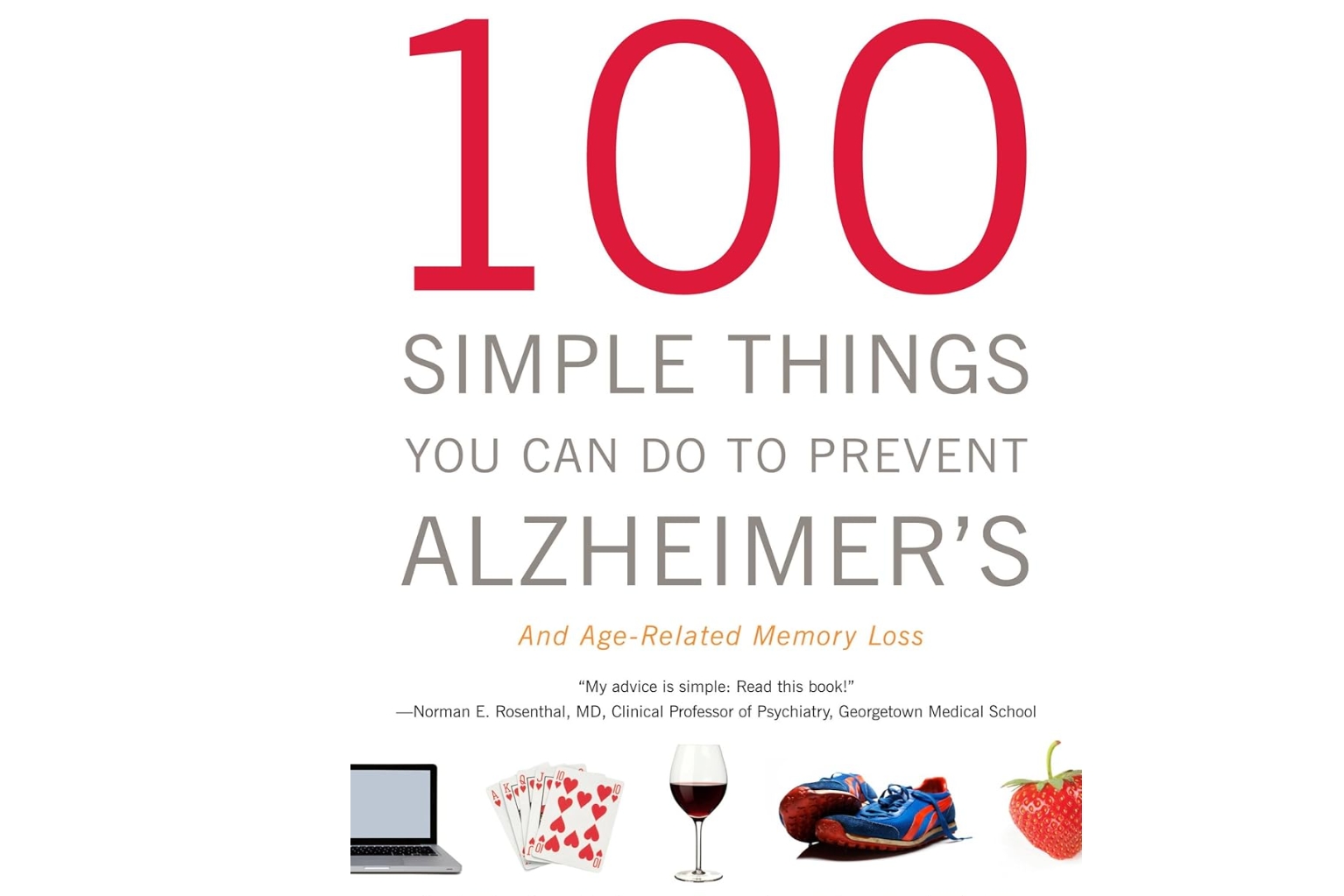
New Alzheimer’s Drug Lecanemab: High price tag, Moderate warnings
The FDA has approved generic lecanemab (brand name Leqembi®). The new drug can slow the progression of Alzheimer’s. Two top doctors discuss the pros and cons.
The FDA has approved generic lecanemab (brand name Leqembi®). The new drug can slow the progression of Alzheimer’s. Two top doctors discuss the pros and cons.

Struggling with early onset dementia, Greg Kelly traveled from Australia to Denmark to see what life would be like in a dementia village. He was surprised by what he saw.

First drug to modestly slow Alzheimer’s cognitive decline, based on 1,800 patients.

Researchers find people living in towns with lots of green space were least likely to have Alzheimer’s or Parkinson’s.

Taking a daily multivitamin supplement can slow age-related memory decline, researchers found.

Researchers find that people with dementia who received the drug suvorexant showed a drop in tau and amyloid beta. The drug is already available for sleep problems in Alzheimer’s. Learn more.

Canada’s first dementia village enables its inhabitants to live their lives in freedom and dignity, while ensuring they have person-centered care. Learn more.

Research shows that lecanemab is the first drug ever to slow cognitive decline in Alzheimer’s. Learn more.

Dementia incidence has steadily fallen by 20 to 25 percent over the past three decades in the U.S., U.K., Sweden, and the Netherlands. How come?

What are the six signs of early dementia, and how can Vitamin B1 help head it off? Dr. Eric Berg explains.

With all the information out there about Alzheimer’s, it’s hard to tease out which things are true, and which things are not. Some “facts” are really just myths. Find out which is which.

In turns heartbreaking and inspiring, the movie “Still Alice” captures in remarkable detail what’s it’s like to live with Alzheimer’s.

DIET VIDEO: See the results of a full-blown double-blind randomized trial where saffron was added to a dementia diet.

Three important dementia studies focus on HS-AGING, a type of dementia almost as common as Alzheimer’s in the 85+ group. Yet few people have heard of it. Why? What makes it different?
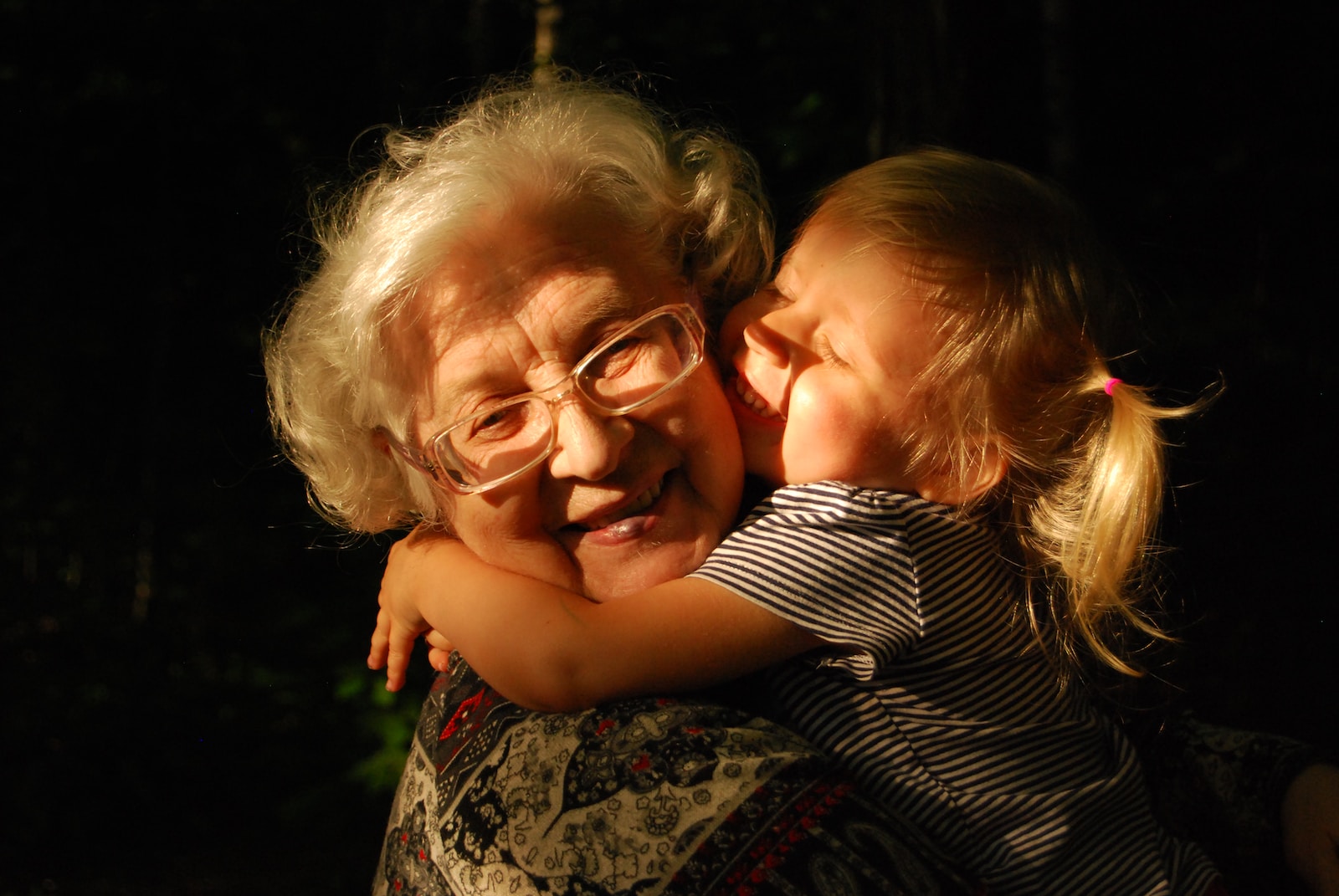
An intriguing study of 120 grandmothers might surprise you. Doctors know socially engaged people have better cognition and less dementia. But can a person get too much of a good thing? What’s the right balance?

Enjoy this great duet between a musician with dementia and his son. A triumph of spirit over Alzheimer’s! Sing-a-long if you like!

It looks like a sneeze cannot give anyone Alzheimer’s. While Alzheimer’s abnormal disease proteins do spread from cell-to-cell, they are not “infectious”. Check out the facts.