5 Smart Ways to Face Alzheimer’s
VIDEO: See how one lady faced the stigma of Alzheimer’s and rose above its storm clouds. Learn why she continues to take part in her community and how she lives life with dementia to the fullest.
VIDEO: See how one lady faced the stigma of Alzheimer’s and rose above its storm clouds. Learn why she continues to take part in her community and how she lives life with dementia to the fullest.

This gorgeous Owen Darnell poem is often referred to as the ‘Alzheimer’s Poem’.

Three important dementia studies focus on HS-AGING, a type of dementia almost as common as Alzheimer’s in the 85+ group. Yet few people have heard of it. Why? What makes it different?

UNDERSTANDING ALZHEIMER’S: Lisa Genova wrote the Alzheimer’s classic, “Still Alice”. See her discuss myths and facts about Alzheimer’s with leading Alzheimer’s activist Maria Shriver.

WONDERFUL SONG+LYRICS:
Dementia-patient Ted McDermott journeys with son Simon, making famously beautiful music together. Get your smile ready and join in.

VIDEO & ARTICLE – ALZHEIMER’S INTERNATIONAL CONFERENCE:
In a set of 3 studies, see how exercise and sleep lowered Alzheimer’s, while sitting around and watching TV resulted in significantly worse brain health.

COMMUNICATING WITH DEMENTIA – VIDEO: Four teenagers and young adults tell us about their experiences of having a relative with dementia, as well as sharing their insights on keeping connected to that person.

Mid-to-Advanced Dementia diminishes communication and language. Watch Teepa Snow convey how to use rhythm, music and movement when language fails.

Stand up for caregivers and all the great deeds they do, with the “Caregiver Bill of Rights”!

“SANDWICH GENERATION CAREGIVERS” live sandwiched between their kids and their Alzheimer’s parent. All the new activity can add to an already hectic schedule. 5 tips can help keep the balance.

UPLIFTING AND IDEA-FILLED VIDEO: In picturesque Arnsberg, townsfolk are finding ways to make living with dementia as normal as possible.

Where words fail, music speaks. See how music can be a very powerful vehicle for communication in the various stages of dementia.

VIDEO RECIPE + RESEARCH: Enjoy a brain-boost along with great flavor. This Mediterranean-Diet plate is loaded with neuroprotective turmeric & cumin. With delicious brain-nutrients from coconut or olive oil, the flavor is exotic yet close-to-home!

Three important dementia studies focus on HS-AGING, a type of dementia almost as common as Alzheimer’s in the 85+ group. Yet few people have heard of it. Why? What makes it different?
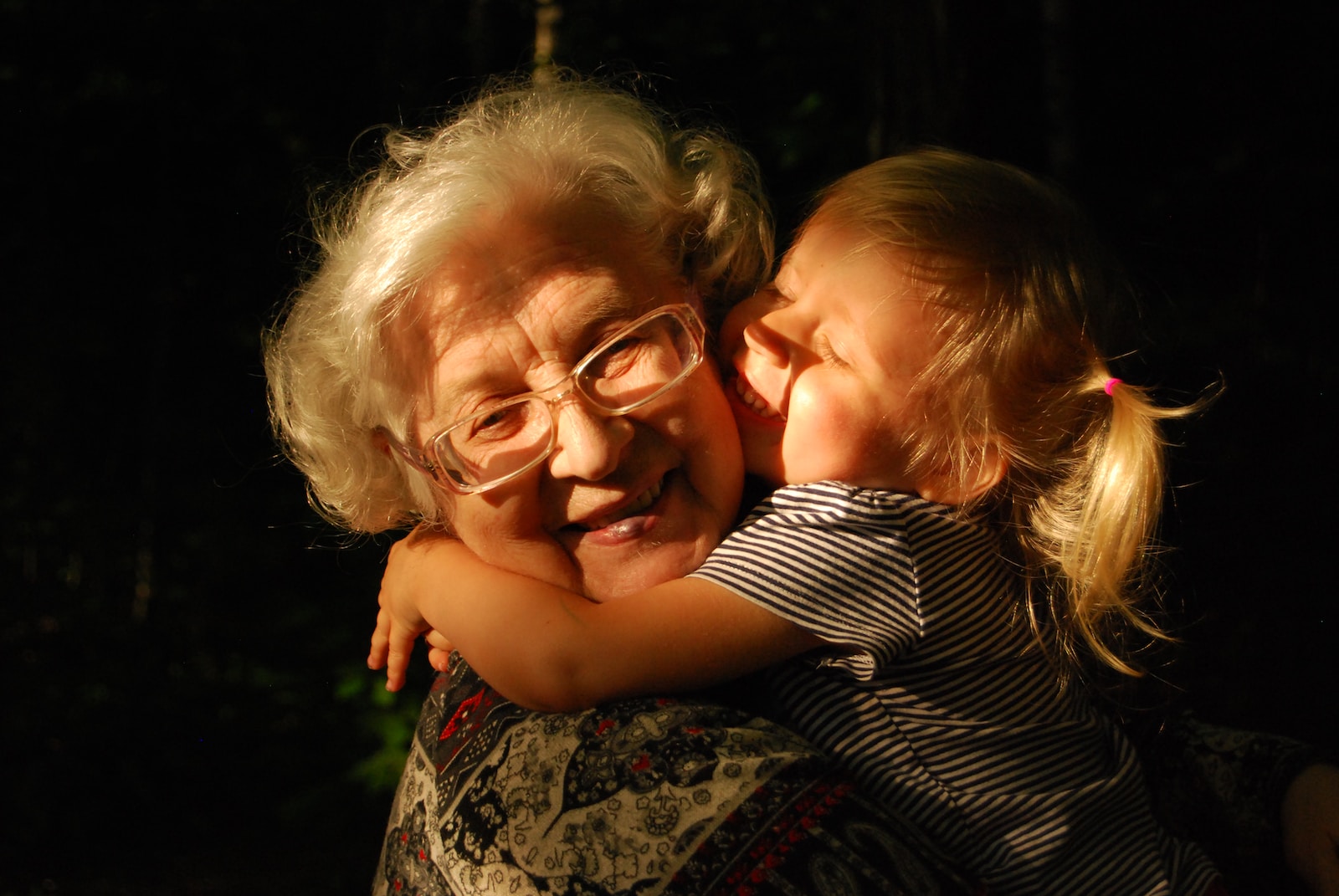
An intriguing study of 120 grandmothers might surprise you. Doctors know socially engaged people have better cognition and less dementia. But can a person get too much of a good thing? What’s the right balance?

Enjoy this great duet between a musician with dementia and his son. A triumph of spirit over Alzheimer’s! Sing-a-long if you like!

It looks like a sneeze cannot give anyone Alzheimer’s. While Alzheimer’s abnormal disease proteins do spread from cell-to-cell, they are not “infectious”. Check out the facts.