Why Do People with Dementia Wander?
60% of people with dementia wander off at some point. It’s long been a dangerous mystery. Japanese researchers tracked down the cause of this behavior. Find out more.
60% of people with dementia wander off at some point. It’s long been a dangerous mystery. Japanese researchers tracked down the cause of this behavior. Find out more.

Learn to use photos and photo albums as a fantastic dementia activity. See how they easily reduce social isolation and depression, providing comfort to people with dementia.

TEEPA VIDEOS: Half of all drivers over 65 who died in traffic accidents had Alzheimer’s symptoms. Watch Teepa demonstrate how to get your loved on to hand in the keys.

VIDEO + ARTICLE: Studies show this 5-minute workout wakes up your brain cells by exercising the right body muscles. Rated as a top exercise for people aged 50+, it’s low-impact and highly effective. Go ahead, it’s easy!

PREVENTING ELDER ABUSE VIDEO:
How trustworthy are care facilities? Care professionals are self-sacrificing, hard-working and compassionate. Yet, one careless moment can quickly snowball into elder abuse. Watch this true story.

EXCELLENT GUIDE ON LEWY BODY DEMENTIA (LBD). Commonly misdiagnosed as Alzheimer’s or Parkinson’s, you can prevent devastating results by learning how to spot key differences.

PAY EXTRA ATTENTION to the care-partner’s health during Alzheimer’s.
With a quick inquiry, nurses and doctors can easily spot caregivers needing enhanced support. Find out how simple & essential this can be.

SHORT FILM: When a ski trip is delayed for a quick visit to a Mom with Alzheimer’s, one precious moment sheds light on everything.

TEDx VIDEO: People with dementia and their care partners can experience joy, humor and connection. Since there’s no cure, the best solution is great care. See how to set a high bar with empathy, patience and fun.

EMOTIONAL STATES of individuals with Alzheimer’s are profoundly influenced by caregivers. Learn how.

15 TIPS on how to limit wandering and prevent a person with dementia from becoming lost. (60% of people with dementia will wander off at some point.)

MUSIC: Famously known as the Songaminute Man, Ted is living with dementia, even as he enjoys singing on. Watch this wonderful sampling of his songs, along with a one-of-a-kind interview on BBC’s “The One Show”.

Our change in diet has been proposed as being the underlying reason for the dramatic increase in the prevalence of Type II diabetes that we are observing worldwide in our time. What’s that doing to our brains?

Three important dementia studies focus on HS-AGING, a type of dementia almost as common as Alzheimer’s in the 85+ group. Yet few people have heard of it. Why? What makes it different?
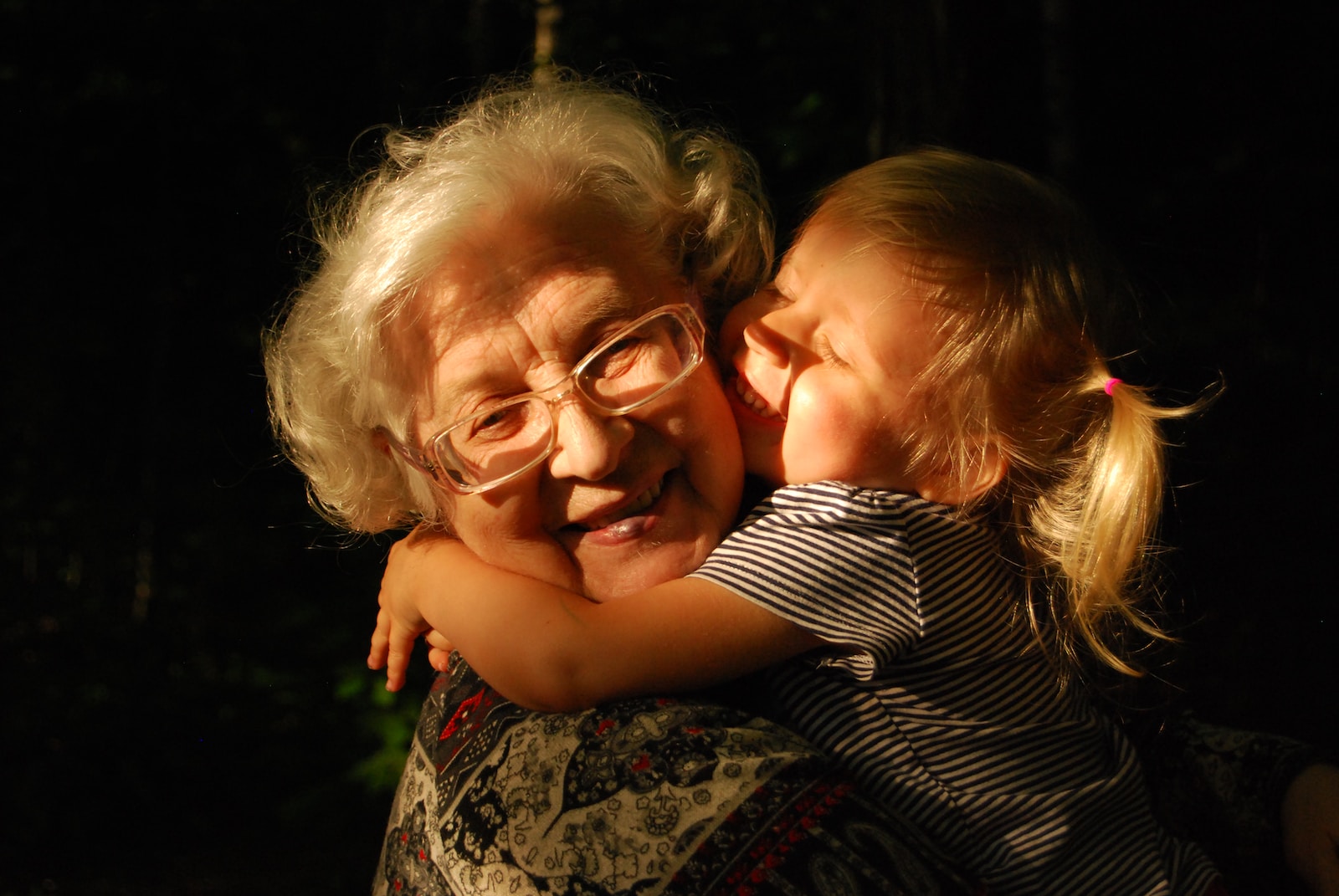
An intriguing study of 120 grandmothers might surprise you. Doctors know socially engaged people have better cognition and less dementia. But can a person get too much of a good thing? What’s the right balance?

Enjoy this great duet between a musician with dementia and his son. A triumph of spirit over Alzheimer’s! Sing-a-long if you like!

It looks like a sneeze cannot give anyone Alzheimer’s. While Alzheimer’s abnormal disease proteins do spread from cell-to-cell, they are not “infectious”. Check out the facts.