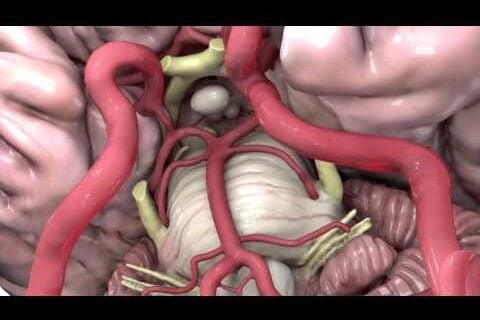
Slow-Wave Sleep Halts Alzheimer’s Build-Up in the Brain
See Harvard Alzheimer’s expert Dr. Rudy Tanzi and Deepak Chopra explore cutting edge research and insights on sleep’s capacity to prevent Alzheimer’s.
See Harvard Alzheimer’s expert Dr. Rudy Tanzi and Deepak Chopra explore cutting edge research and insights on sleep’s capacity to prevent Alzheimer’s.

INFO + CHECKLISTS: Dementia demands preparation. When bad weather strikes, be ready. This post includes checklists to help you prepare, tips on how to ride it out, plus ways to get back on your feet in the aftermath.

LAW & MONEY: Get ahead of the legal & financial challenges of Alzheimer’s. This Fact Sheet is a great place to start.

TECH VIDEO: See how video messages break through Alzheimer’s morning fog. Learn why they perk up people with dementia. Watch this pilot program in action.

WATCH FIREFIGHTERS learn how it feels to have dementia and rescue people with Alzheimer’s in an emergency crisis.

TEEPA VIDEO: THE STRESS of dementia on caregivers is unique. See Teepa Snow shine her special light on what to do about the stress.

FILM SHORT: Meet 6 people living fulfilling lives with dementia. This award-winning, true film explores the needs and feelings of real people with dementia.

UCLA CAREGIVER TRAINING VIDEO: Agitation and anxiety create resistance in people with Alzheimer’s and frustration for their caregivers. Learn techniques to solve and resolve these difficult moments.

WEATHER ALERT – 9 WAYS TO STAY SAFE WITH DEMENTIA: People can lose body heat fast. That’s called hypothermia. Big chills and Alzheimer’s are a dangerous combination. Learn 9 ways to stay safe in cold weather.

Desi has Alzheimer’s. She lives in a dementia facility with a 1940’s “Retro” living room and kitchen. Old-time music helps residents remember bygone days. It’s reminiscence as therapy. See it in action.
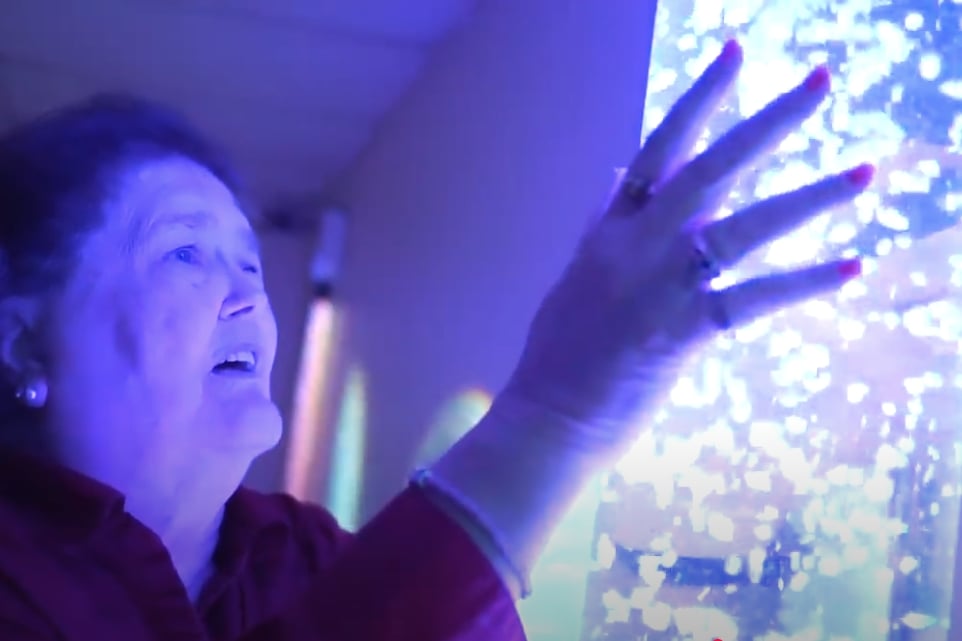
STIMULATION VIDEO: See how Snoezelen Rooms offer sensory experiences designed for dementia. “We have found more stimulation slows down the progression of the disease process.” Relax, explore, hear Frank Sinatra, enjoy calming colors, even test memory.
DIAGNOSIS VIDEO: TEEPA SNOW explores the challenge of getting a good diagnosis in today’s medical system. See her explain differences between Alzheimer’s and other dementias. Learn how to prepare for a brain health checkup.
VIDEO + ARTICLE: 40,000 people around the world participated in Western University’s sleep and brain health study. See Neuroscientists use cognitive performance activities to revealed surprising insights. Get 6 sleep tips.

Three important dementia studies focus on HS-AGING, a type of dementia almost as common as Alzheimer’s in the 85+ group. Yet few people have heard of it. Why? What makes it different?
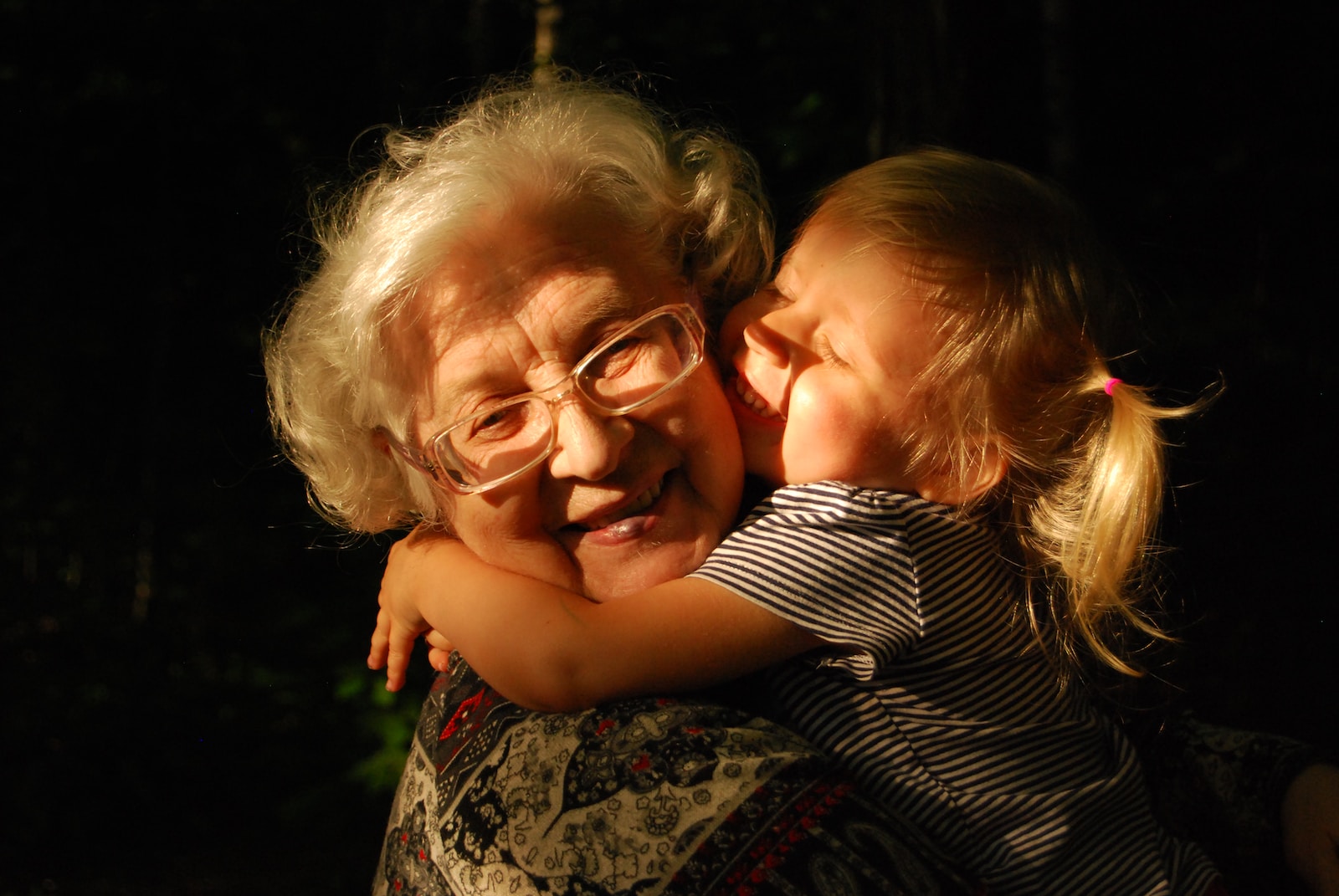
An intriguing study of 120 grandmothers might surprise you. Doctors know socially engaged people have better cognition and less dementia. But can a person get too much of a good thing? What’s the right balance?
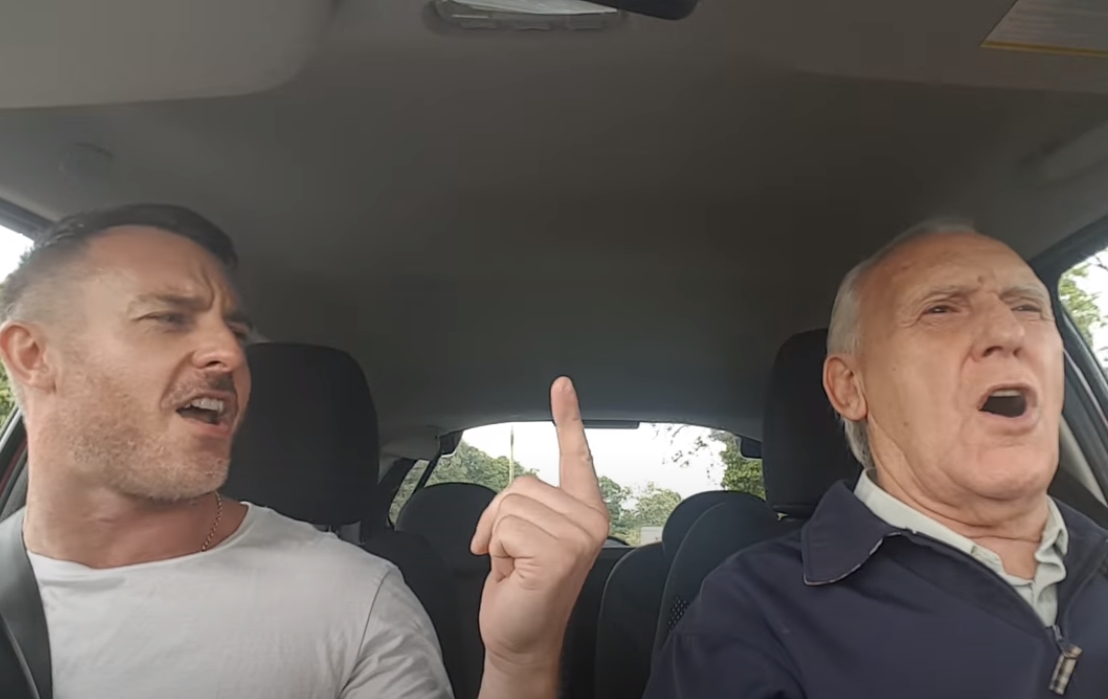
Enjoy this great duet between a musician with dementia and his son. A triumph of spirit over Alzheimer’s! Sing-a-long if you like!
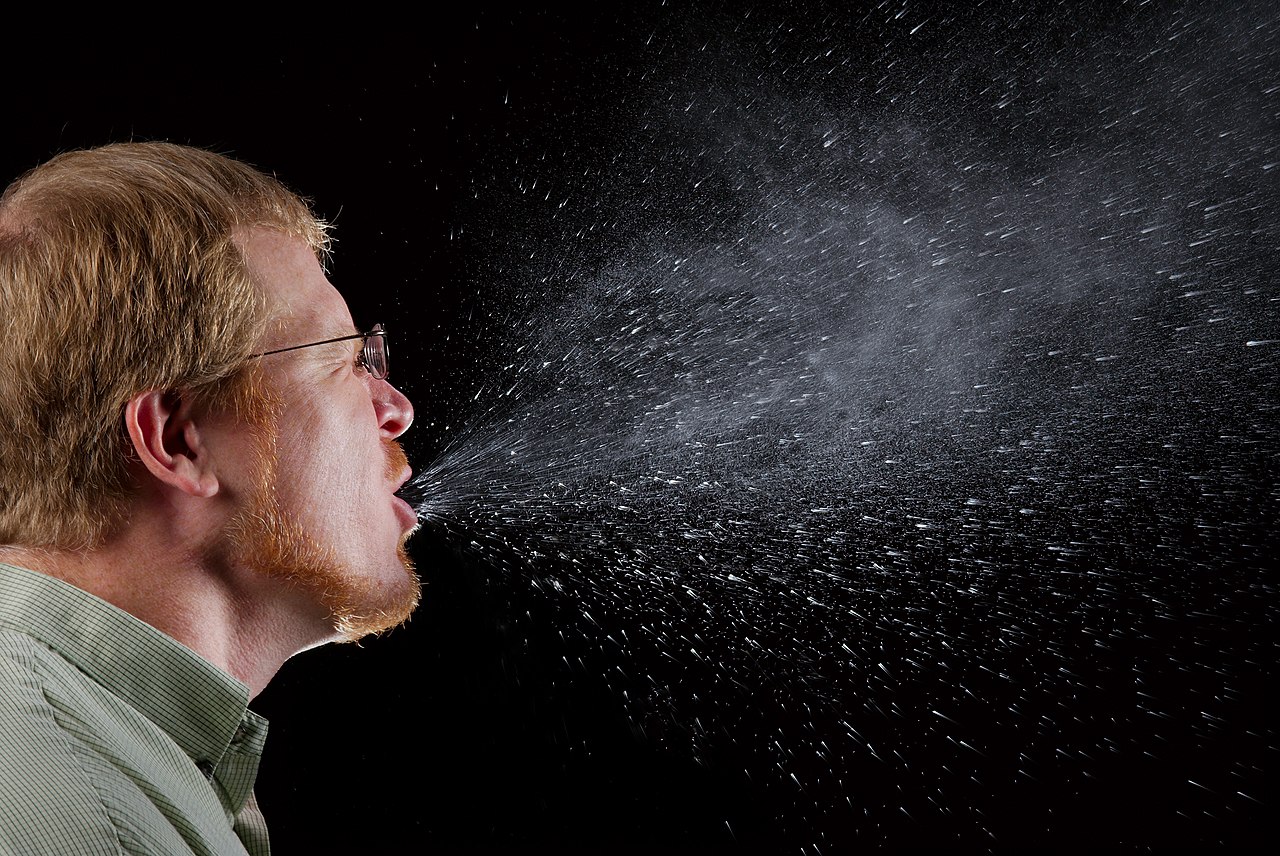
It looks like a sneeze cannot give anyone Alzheimer’s. While Alzheimer’s abnormal disease proteins do spread from cell-to-cell, they are not “infectious”. Check out the facts.