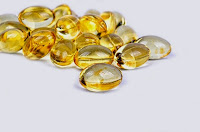
DIET VIDEO + ARTICLE:
In the largest study of its kind, not getting enough vitamin D turned out to double the risk of developing dementia and Alzheimer’s. See why supplements may not be the answer. Find out which foods to eat.
MINNEAPOLIS – In the largest study of its kind, researchers suggest that in older people, not getting enough vitamin D may double the risk of developing dementia and Alzheimer’s disease. The study is published in the online issue of Neurology®, the medical journal of the American Academy of Neurology.
Continued below video…
The study looked at blood levels of vitamin D, which includes vitamin D from food, supplements and sun exposure. Dietary vitamin D is found in:
- Fatty fish such as salmon, tuna or mackerel
- Milk
- Eggs
- Cheese
Twice as Strong
“We expected to find an association between low Vitamin D levels and the risk of dementia and Alzheimer’s disease, but the results were surprising—we actually found that the association was twice as strong as we anticipated,” said study author David J. Llewellyn, PhD, of the University of Exeter Medical School in the United Kingdom.
For the study, 1,658 people over the age of 65 who were dementia-free had their vitamin D blood levels tested. After an average of six years, 171 participants developed dementia and 102 had Alzheimer’s disease.
Vitamin D Levels and Dementia Risk
The study found that people with low levels of vitamin D had a 53 percent increased risk of developing dementia and those who were severely deficient had a 125 percent increased risk compared to participants with normal levels of vitamin D.
People with lower levels of vitamin D were nearly 70 percent more likely to develop Alzheimer’s disease and those who had severe deficiency were over 120 percent more likely to develop the disease.
The results remained the same after researchers adjusted for other factors that could affect risk of dementia, such as education, smoking and alcohol consumption.
“Clinical trials are now needed to establish whether eating foods such as oily fish or taking vitamin D supplements can delay or even prevent the onset of Alzheimer’s disease and dementia. We need to be cautious at this early stage and our latest results do not demonstrate that low vitamin D levels cause dementia. That said, our findings are very encouraging, and even if a small number of people could benefit, this would have enormous public health implications given the devastating and costly nature of dementia,” said Llewellyn.
MORE INFORMATION:
The study was supported by the National Heart, Lung, and Blood Institute, the National Institute of Neurological Disorders and Stroke, the National Institute on Aging, the Alzheimer’s Association, the Mary Kinross Charitable Trust, the James Tudor Foundation, the Halpin Trust, the Age Related Diseases and Health Trust, the Norman Family Charitable Trust and the UK National Institute for Health Research.
The American Academy of Neurology, an association of more than 27,000 neurologists and neuroscience professionals, is dedicated to promoting the
highest quality patient-centered neurologic care. A neurologist is a doctor with specialized training in diagnosing, treating and managing
disorders of the brain and nervous system such as Alzheimer’s disease, stroke, migraine, multiple sclerosis, concussion, Parkinson’s disease and epilepsy.
For more information about the American Academy of Neurology, visit http://www.aan.com
or find us on Facebook
and YouTube.









This recent study showed no benefit of vitamin D:
https://medicalxpress.com/news/2018-07-vitamin-d-defence-dementia.html
Those who have adequate vitamin D likely got it from being outside, running around. That kind of lifestyle is more proven to prevent multiple forms of dementia.