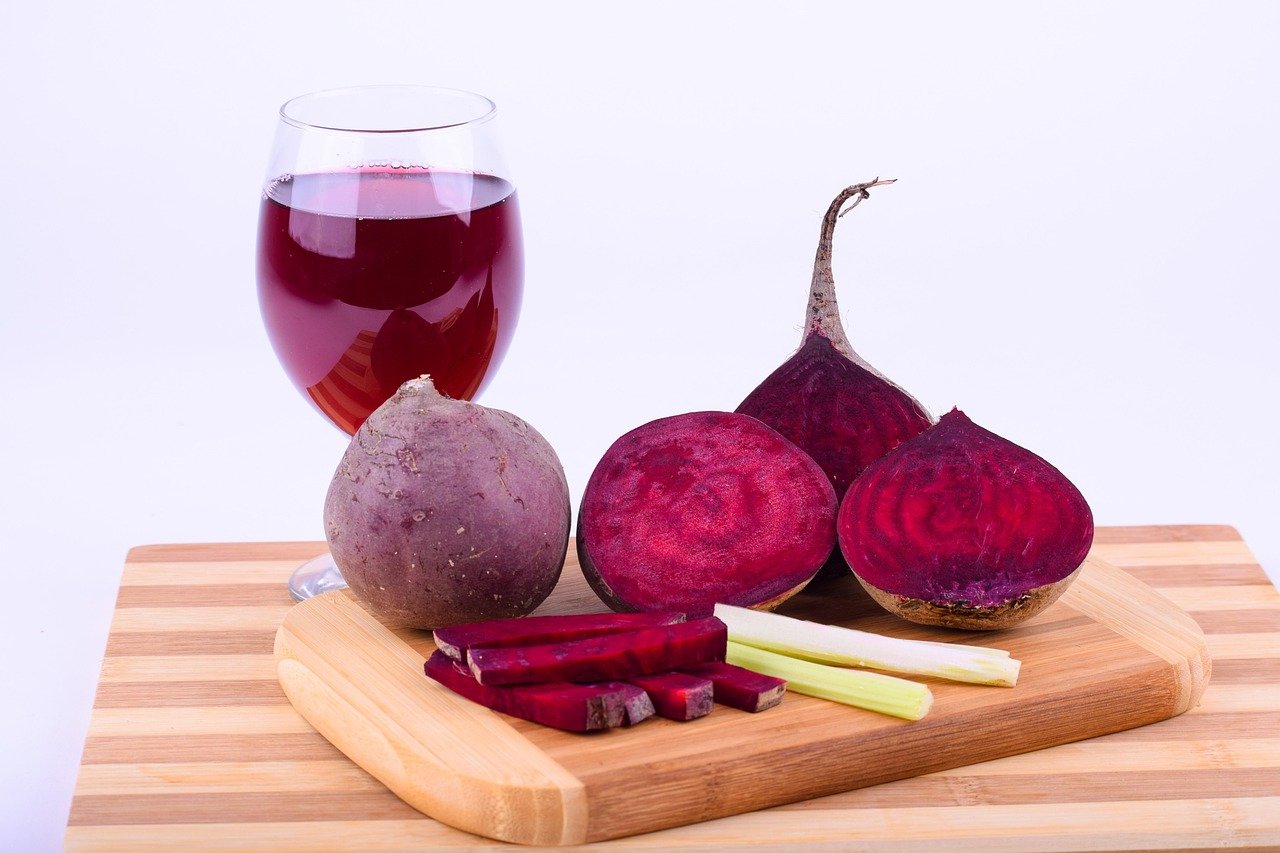
Can Beetroot Help Slow Cognitive Decline?
Beetroot has a clear, measurable effect: it improves blood flow. By increasing nitric oxide, beetroot helps blood vessels deliver more oxygen and glucose throughout the body, including the brain. Because reduced cerebral blood flow is common across many forms of dementia and is closely linked to how quickly symptoms worsen, researchers are now asking a practical question: could a simple food that boosts blood flow help slow dementia’s progression?
That question has moved beyond theory. Over the past decade, large population studies, long-term cognitive tracking, and brain-imaging research have begun to converge on a consistent theme: vegetable-derived nitrate intake is associated with better dementia-related outcomes over time.
Why Blood Flow Matters in Dementia
Dementia is an umbrella term that includes Alzheimer’s disease, vascular dementia, and mixed dementias. While their causes differ, many share a common feature: impaired blood flow to the brain.
Across dementia research, several consistent findings stand out:
- People with dementia show regional cerebral blood-flow reductions of 10–25%, particularly in frontal and parietal regions
- These regions are responsible for attention, planning, and working memory
- Vascular dysfunction is associated with:
- Reduced delivery of oxygen and glucose to neurons
- Slower clearance of metabolic waste
- Faster white-matter damage and executive decline
Because vascular dysfunction can accelerate symptoms across dementia types, strategies that support blood flow may influence how quickly functional decline unfolds, even if they do not alter the underlying disease process.
Large Long-Term Evidence: Plant-Based Nitrate and Dementia Outcomes
Short-term beetroot studies show improvements in blood flow within hours. More compelling, however, is long-term population evidence, where dementia-related outcomes are tracked over many years.
In the Australian Diabetes, Obesity, and Lifestyle study:
- Over 9,000 participants were followed longitudinally
- Higher plant-based nitrate intake (approximately 98 mg/day) was associated with:
- 57% lower risk of dementia-related mortality
- Higher vegetable-derived nitrate intake (approximately 72 mg/day) was associated with:
- 66% lower risk of dementia-related mortality
These effect sizes are unusually large for a single dietary factor.
Just as important was what did not help:
- Nitrate derived from processed meats was associated with:
- More than double the risk of dementia-related mortality
- Hazard ratio of 2.10 (95% CI: 1.07–4.12)
This contrast strongly suggests that the benefit is source-specific, tied to vegetables rather than nitrates in isolation.
Cognitive Outcomes Over Time, Including High-Risk Individuals
Dementia progression is defined not only by diagnosis, but by the trajectory of cognitive decline. (Continued below chart…)
A food-based strategy that may support cognition by improving vascular function—especially relevant when Alzheimer’s risk overlaps with blood pressure, stiffness, or poor perfusion.
Why it matters
The aging brain runs on blood flow.
- Lower perfusion can mean less oxygen and glucose delivery to neurons.
- Vascular stress can compound cognitive symptoms—especially attention and planning.
- Imaging research often finds reduced regional cerebral blood flow in Alzheimer’s (10–25%).
What beetroot may do
Supports vessel function.
- Promotes vasodilation via nitric oxide.
- Can help lower blood pressure (~4–10 mmHg systolic).
- May boost regional frontal-lobe blood flow within hours in older adults (short-term trials).
How it works (simplified)
Practical note: antiseptic mouthwash may reduce nitrate conversion by disrupting oral bacteria.
What this is NOT
Not a disease-modifying drug.
- Does not “treat” amyloid or tau directly.
- Evidence is strongest for vascular and short-term functional effects, not long-term slowing.
- Best framed as supportive nutrition—like BP control, activity, sleep, and diet.
Caregiver quick use
Simple ways to try it.
- Forms: cooked beets, beetroot powder, or beet juice.
- Common study-range intake: (~250–500 ml beet juice) or nitrate-standardized equivalents.
- Track: blood pressure, stamina, alertness after meals, and “good hours” (attention/initiative).
Safety & cautions
Normal
- Red urine/stool can occur (beeturia).
- GI sensitivity in some people.
Be cautious
- Kidney stone risk (oxalates) in susceptible individuals.
- Low blood pressure or dizziness history.
Ask a clinician
- Nitrate-related medications or complex cardiac conditions.
- Significant kidney disease.
Caregiver framing: beetroot is a “vascular support lever.” If your loved one has hypertension or vascular risk, this kind of strategy may be more relevant than it first appears—within realistic expectations.
[Feel free to save this infographic and share it with a caregiver.]
In the Australian Imaging, Biomarkers and Lifestyle Study of Ageing, participants were followed for 10.5 years, including individuals at elevated genetic risk for Alzheimer’s disease.
Among these higher-risk individuals:
- Each additional 60 mg/day of plant-based nitrate at baseline was associated with:
- Better long-term cognitive outcomes
- Higher episodic recall scores
- Improved recognition memory
Episodic memory decline is a defining feature of Alzheimer’s disease and other dementias, making these findings clinically meaningful.
Brain Imaging Signals Relevant to Dementia Progression
Neuroimaging studies help connect dietary patterns to structural brain changes that underlie dementia symptoms.
In APOE ε4 carriers, a group at high risk for Alzheimer’s-related dementia:
- Moderate-to-high vegetable-derived nitrate intake was associated with:
- Lower cerebral amyloid-β burden
- Reduced right hippocampal atrophy over time
The hippocampus plays a central role in memory formation and is damaged early in many dementias. Slower atrophy in this region is consistent with slower functional decline, even if disease onset is unchanged.
Why Beetroot Is a Practical Focus
Beetroot stands out because it delivers plant-derived nitrate efficiently and consistently in everyday diets.
Amazon: Diet for Alzheimer’s / Dementia
- MCT Oil
- Organic Turmeric Powder
- Omega 3 Supplements
- Diet & Alzheimer’s
- Prevention Guides
- Turmeric Curcumin Supplement
FREE! Weekly Diet Tips:
Physiological effects observed in older adults include:
- Conversion of dietary nitrate into nitric oxide via oral bacteria
- Improved endothelial function and vasodilation
- Reductions in systolic blood pressure of ~4–10 mmHg
At a population level, blood-pressure reductions of this magnitude are associated with meaningful reductions in dementia risk, particularly vascular and mixed dementias.
What This Means for Caregivers
For caregivers, the relevance of beetroot is practical rather than theoretical.
Its potential value lies in:
- Supporting vascular health, a known modifier of dementia progression
- Complementing medications, physical activity, and cognitive engagement
- Offering a low-cost, food-based option with plausible long-term benefit
This fits with modern dementia care, which increasingly emphasizes risk-factor management alongside symptom treatment.
Practical Use and Safety Notes
In research studies, effective nitrate intake was achievable through normal dietary patterns:
- Beetroot juice, cooked beets, or beetroot powder
- Consistent daily intake appears more relevant than occasional use
Caregivers should be aware that:
- Antibacterial mouthwash may impair nitrate conversion
- Red urine or stool (beeturia) is harmless
- Caution is advised for individuals with kidney stone risk, very low blood pressure, or significant renal or cardiovascular disease
Dietary changes should be discussed with a clinician when medical conditions are complex.
Bottom Line
Beetroot does not treat dementia. But vegetable-derived nitrate intake has been linked to substantially lower dementia-related mortality, better long-term cognitive outcomes, and preservation of brain regions vulnerable to dementia.
By improving blood flow and vascular health, beetroot may help slow the functional progression of dementia, even if it does not change the underlying disease.