For many families, the challenge of Alzheimer’s treatment is not just the disease—it’s the logistics. Frequent appointments, long infusion times, and the complexity of care can quickly become overwhelming.
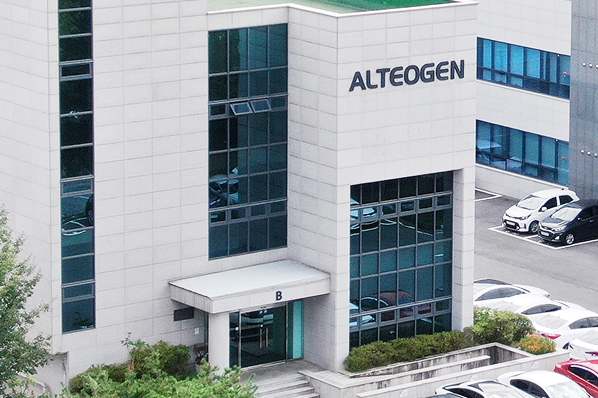
That’s why a new partnership involving Biogen and Alteogen is drawing attention. The deal centers on a technology that could eventually make certain treatments faster and easier to give.
But does this mean a simpler version of Leqembi is on the way?
The answer: possibly—but not yet.
Why Treatment Delivery Matters More Than You Think
Leqembi has already changed the Alzheimer’s treatment landscape. But for many patients and caregivers, the way it is delivered remains a major hurdle.
Infusions can involve:
- Travel to specialized centers
- Time spent receiving treatment
- Coordination with caregivers and schedules
Even with newer subcutaneous maintenance options emerging, the broader goal across the industry is clear: make treatment simpler, faster, and easier to access.
For caregivers balancing multiple responsibilities, even small improvements in how a drug is given can make a meaningful difference.
Alteogen: Move Drugs from IV Infusions to Under-the-skin Injections
Alteogen’s Hybrozyme platform technology (delivered through its ALT-B4 enzyme (berahyaluronidase alfa) is built to help certain biologic drugs move from IV infusions to under-the-skin (subcutaneous) injections.
In practical terms, that could mean:
- Shorter administration times
- Less reliance on infusion centers
- Potentially more flexible treatment settings
The technology works by temporarily helping the body absorb larger volumes of medicine under the skin—something that is normally difficult to achieve.
Importantly, this is a platform capability, not a result proven specifically for Leqembi.
What the Biogen Deal Actually Says
Biogen’s agreement with Alteogen gives it access to this technology for two biologic drugs, with an option for a third.
Here’s the critical detail:
👉 Biogen did not name which drugs are included.
That means:
- Leqembi is a logical candidate
- But it has not been confirmed as part of the deal
This distinction matters. It’s the difference between:
- A strategic direction
- And a proven product change
Could This Make Leqembi Simpler?
It could—but we are not there yet.
The deal signals that Biogen is:
- Investing in more flexible delivery methods
- Exploring ways to reduce treatment burden
- Building optionality for the future
But there is no confirmation yet that:
- Leqembi will use this technology
- Injection times will be reduced
- Infusions will be replaced
For now, the most accurate takeaway is:
This is a step toward possibility—not a completed upgrade.
Why This Still Matters for Caregivers
Even with the uncertainty, this development is worth watching.
Across medicine, there is a clear shift toward:
- At-home or near-home treatment
- Shorter administration times
- Less disruptive care routines
For Alzheimer’s caregivers, that could eventually mean:
- Fewer long clinic visits
- Easier scheduling
- Less physical and emotional strain
Those changes don’t happen overnight—but they often start with deals like this one.
What to Watch Next
If this partnership does affect Leqembi, the signals will likely appear in:
- Future company announcements
- Clinical trial listings
- Regulatory updates tied to new delivery methods
Until then, the key point remains:
Biogen has added a tool that could simplify treatment—but has not yet said how or where it will be used.
The Bottom Line
The new Alteogen deal points in an encouraging direction: simpler, faster ways to deliver complex Alzheimer’s treatments.
But when it comes to Leqembi specifically, the story is still unfolding.
For now, the most responsible—and useful—way to understand this news is simple:
Watch closely, stay hopeful, and avoid jumping ahead of the evidence.







Watching my dad struggle with Parkinson’s disease and dementia was incredibly difficult. He experienced symptoms such as tremors, stiffness, slowed movement, balance problems, changes in speech, memory loss, confusion, sleep disturbances, and difficulty with everyday activities. Although he was prescribed medications like carbidopa/levodopa, we were still searching for additional ways to support his overall well-being. After learning about EarthCure Herbal Clinic, we decided to try their herbal wellness program alongside his ongoing medical care. In our personal experience, we noticed improvements in his comfort and quality of life. During and after following the EarthCure Herbal Clinic treatment plan, my dad experienced noticeable improvements in his overall well-being and quality of life, and also Healed from his Parkinsons and Dementia in general. We personally observed many of the symptoms that had been affecting him completely subsided. He feels more healthier and better than ever since his completion of EarthCure Herbal Clinic’s treatments protocols. To learn more about EarthCure Herbal Clinic, visit: https:// w w w. earthcureherbalclinic. c om or email info @ earthcureherbalclinic . c o m.
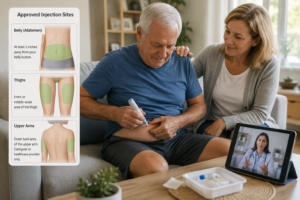
This article seems to miss the fact that a subcutaneous version of Leqembi is currently available for those who have completed the initial 18-month treatment plan and are initiating maintenance dosing. The product is sold under the brand name IQLIK, it is advertised on the Leqembi website.
Eisai has submitted an application to the FDA using IQLIK for initial dosing of Leqembi. The FDA set an action date of May 24, 2026. If approved, this will allow for at-home, weekly subcutaneous injections of Leqembi immediately (as the product is already being distributed for maintenance dosing as noted above).
Finally, as Biogen and EIsai are partners in the sale and distribution of Leqembi, it seems unlikely that Biogen would independently develop a subcutaneous version of Leqembi to compete with IQLIK.