Today’s Sleep Patterns Predict, Prevent Tomorrow’s Alzheimer’s
NEUROSCIENTISTS have discovered they can estimate when Alzheimer’s is most likely to strike a person, based on his or her sleep pattern. The best defense:
NEUROSCIENTISTS have discovered they can estimate when Alzheimer’s is most likely to strike a person, based on his or her sleep pattern. The best defense:
VIDEO: CNBC’s Meg Tirrell reports on new methods drug companies are developing to combat Alzheimer’s.

AGITATION & ANXIETY IN ALZHEIMER’S: Get these tips for coping with “sundowning”. (Sundowning is restlessness or agitation in the late afternoon or early evening in

EMERGENCY BAG CHECKLIST: People with Alzheimer’s need to be prepared for an emergency. Simple planning now will make future hospital trips a lot less stressful.

DIET: McMaster University uncovered new clues on how EGCG in green tea blocks the Alzheimer’s cascade. Their research was on the cover of the Journal

SMARTPHONE DIAGNOSTICS VIDEO + ARTICLE: Researchers have developed a smartphone app that could allow people to screen for Alzheimer’s and other disorders by recording closeups
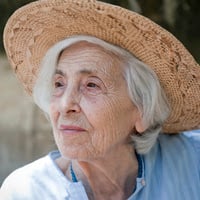
Pseudodementia walks and talks like dementia, but it often responds positively, with treatment permanently improving cognition. Learn how recognizing the difference can change one’s life.

ACTIVITIES BOOK OF THE WEEK: Family caregivers will find dozens of easy-to-understand activities to do with a loved one who has dementia. The book is
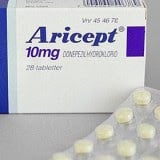
MEMORY DRUGS for Alzheimer’s can slow heart rates and even trigger fainting. The risk is not always clear to patients. Learn how-and-when to consider side-effects,
INSPIRATIONAL POEM: One man’s sole bequest to posterity provides a glimpse into his heart – and life – during his final days as a patient

Fresh air and exercise, improved appetite, fewer medications and happier family visits typify the world’s first “Dementia Village”. See how an inspired nursing home manager took a dreary hospital and turned it into a respect-filled, compassionate community.

Cardiovascular events like strokes can trigger vascular dementia.American Heart Association cholesterol guidelines can significantly reduce cardiovascular events. Is it time to take a fresh look at your cholesterol?

VIDEO If you live to 85, there’s a 50/50 chance of getting a dementia such as Alzheimer’s. What if you could improve those odds by

Three important dementia studies focus on HS-AGING, a type of dementia almost as common as Alzheimer’s in the 85+ group. Yet few people have heard of it. Why? What makes it different?
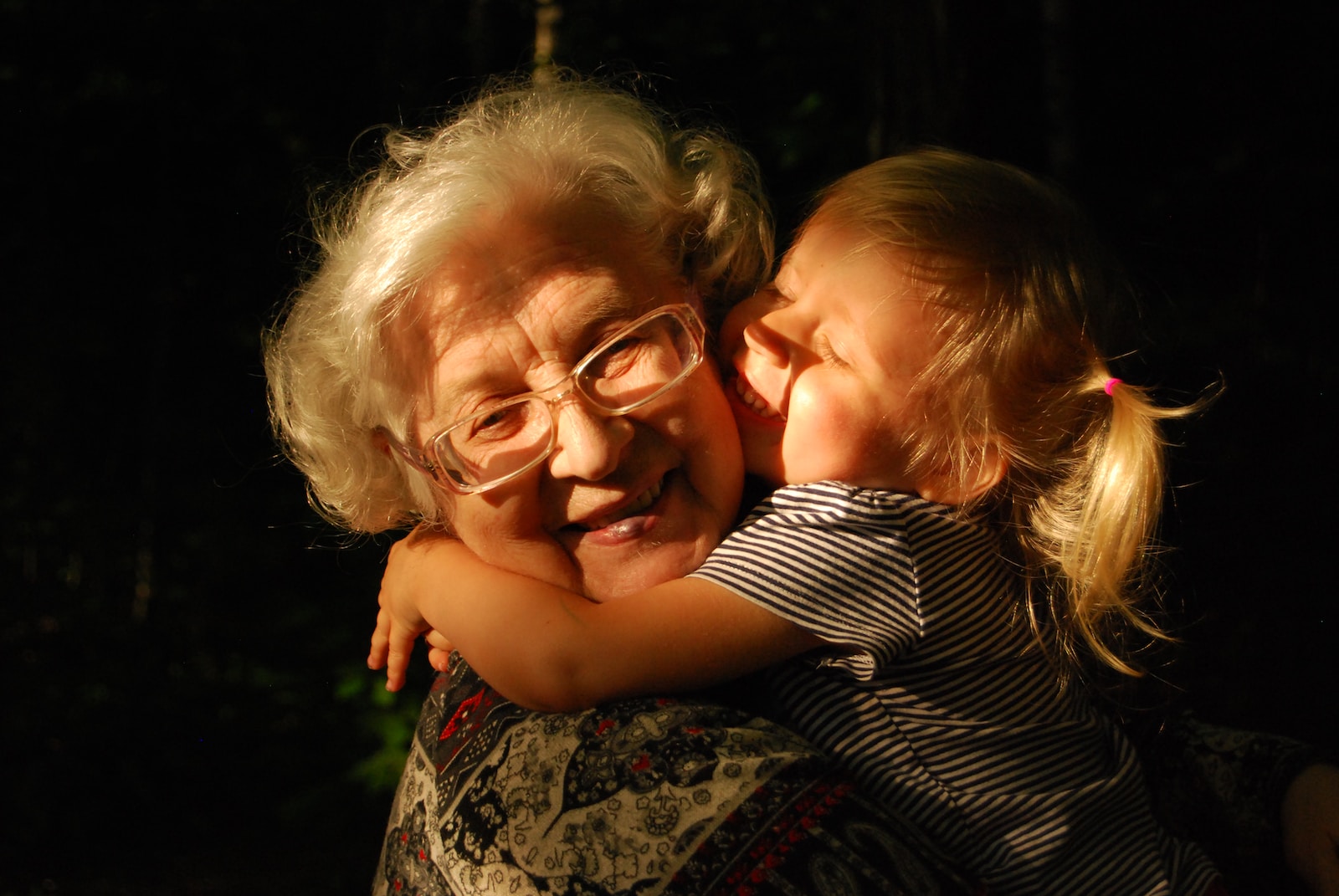
An intriguing study of 120 grandmothers might surprise you. Doctors know socially engaged people have better cognition and less dementia. But can a person get too much of a good thing? What’s the right balance?

Enjoy this great duet between a musician with dementia and his son. A triumph of spirit over Alzheimer’s! Sing-a-long if you like!
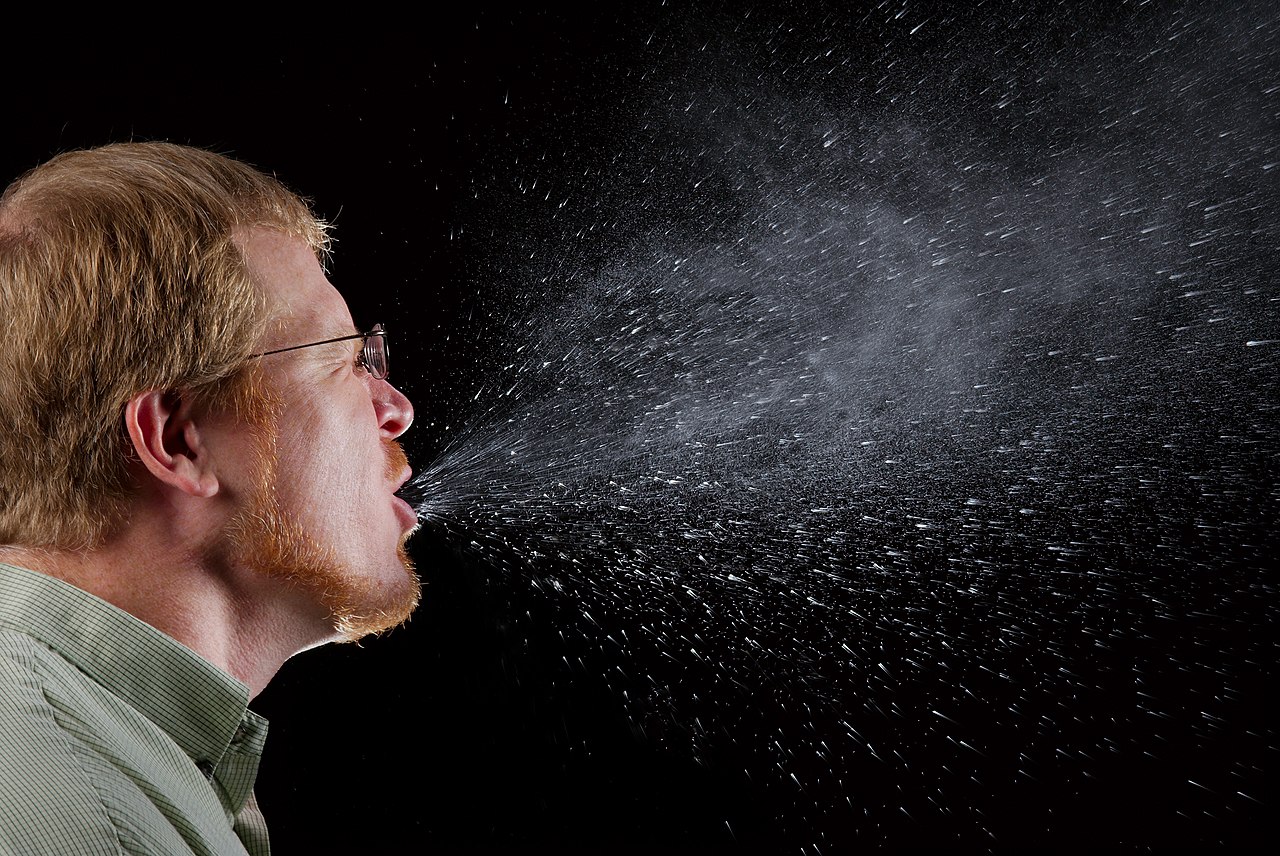
It looks like a sneeze cannot give anyone Alzheimer’s. While Alzheimer’s abnormal disease proteins do spread from cell-to-cell, they are not “infectious”. Check out the facts.