“I Want to Go Home” Dementia Tip
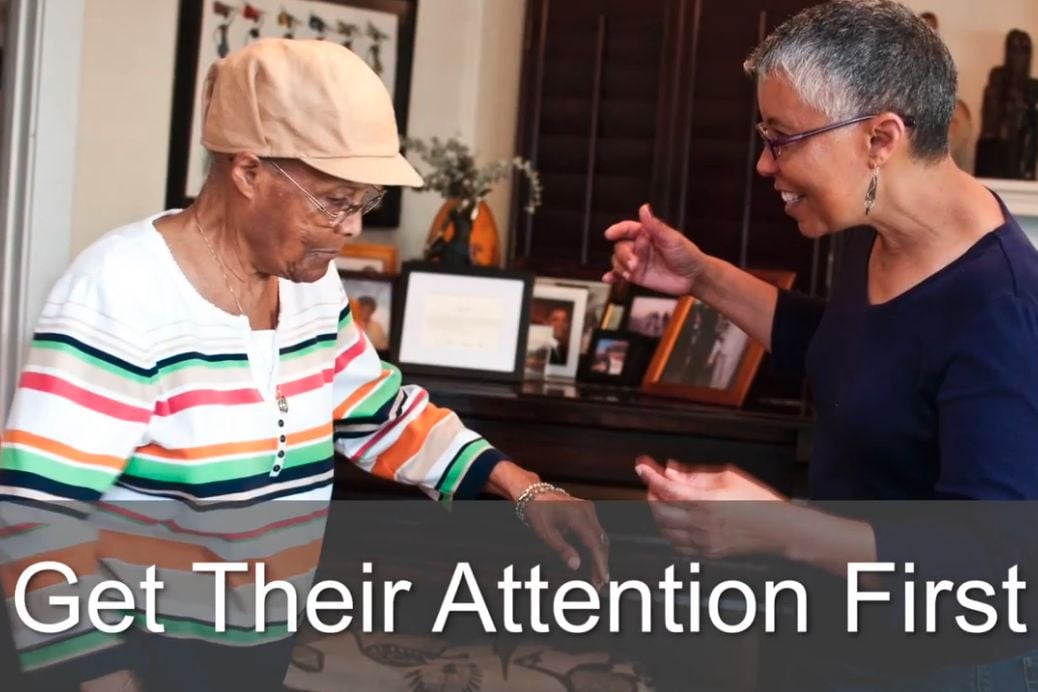
TEEPA VIDEO: What do you do when someone with dementia insists on going home, again and again? Watch Teepa Snow do it with style, in yet another great care video.








Wandering Prevention Preparations
15 TIPS on how to limit wandering and prevent a person with dementia from becoming lost. (60% of people with dementia will wander off at some point.)

When Ted Sings, Millions Listen, Alzheimer’s & All
MUSIC: Famously known as the Songaminute Man, Ted is living with dementia, even as he enjoys singing on. Watch this wonderful sampling of his songs, along with a one-of-a-kind interview on BBC’s “The One Show”.

Diet’s Effect on 500,000 British Brains
Our change in diet has been proposed as being the underlying reason for the dramatic increase in the prevalence of Type II diabetes that we are observing worldwide in our time. What’s that doing to our brains?

85 with Dementia? Good Chance It’s HS-AGING, Not Alzheimer’s
Three important dementia studies focus on HS-AGING, a type of dementia almost as common as Alzheimer’s in the 85+ group. Yet few people have heard of it. Why? What makes it different?
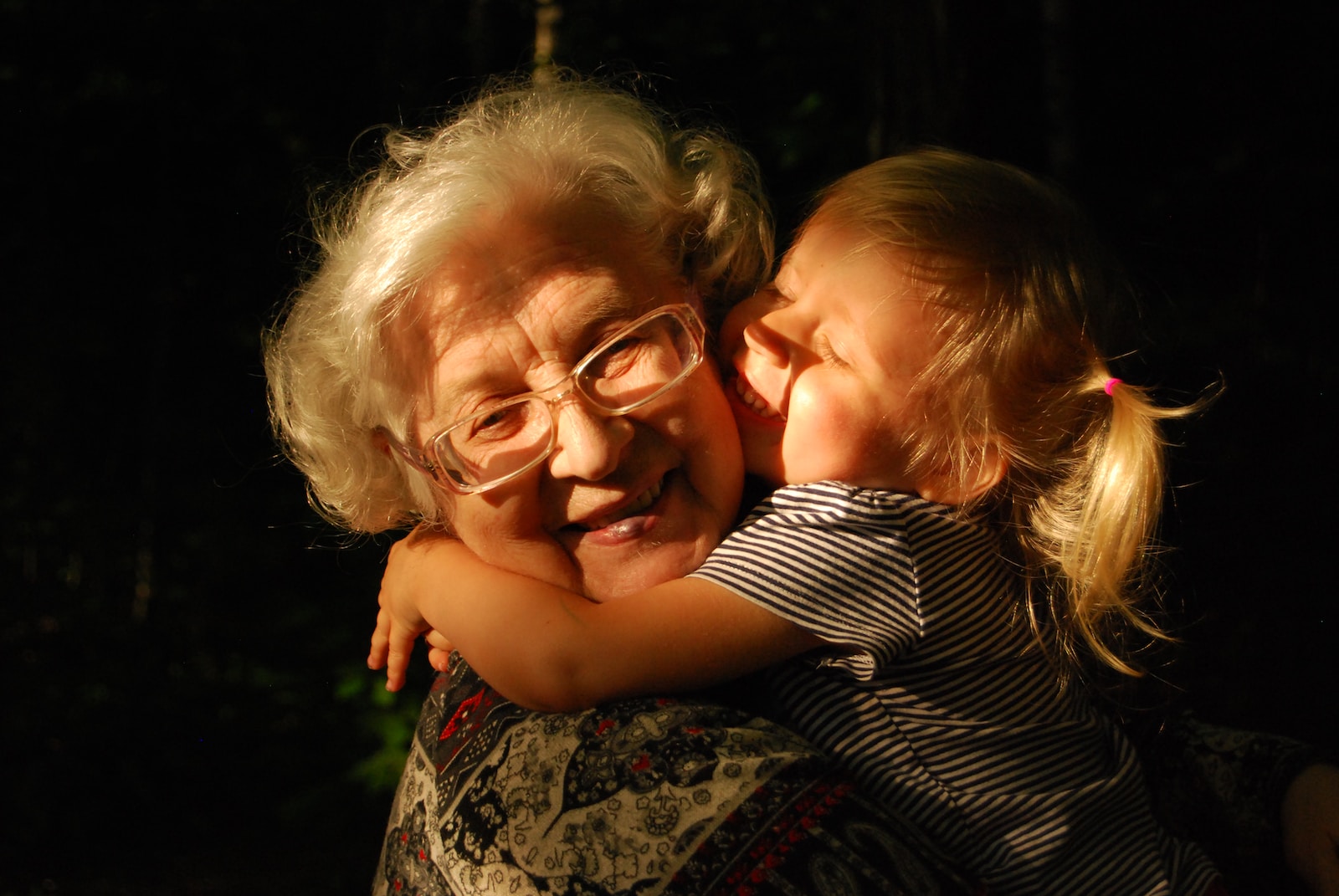
A Grandchild for One Day Keeps Dementia Away
An intriguing study of 120 grandmothers might surprise you. Doctors know socially engaged people have better cognition and less dementia. But can a person get too much of a good thing? What’s the right balance?

“I’ve Got You Under My Skin,” By Dad with Dementia & Son
Enjoy this great duet between a musician with dementia and his son. A triumph of spirit over Alzheimer’s! Sing-a-long if you like!

Is Alzheimer’s Catchy?
It looks like a sneeze cannot give anyone Alzheimer’s. While Alzheimer’s abnormal disease proteins do spread from cell-to-cell, they are not “infectious”. Check out the facts.

Designing Rooms for Dementia

Care-Partner Journal for Alzheimer's & Dementia

'Still Alice' Brings Attention to Alzheimer's

How to Long-Distance Caregive

8 Ways Caregivers Care for Themselves

50-Page Free Book on Lewy Body Dementia

Spectrum of Hope: Living Better with Alzheimer's

6 Ways Dementia Caregivers Can Feel Less Guilty

Reverse Dementia in Normal Pressure Hydrocephalus