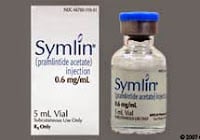
Alzheimer’s Reduced by Diabetes Drug Pramlintide
Pramlintide (known by the brand name Symlin®, an FDA-approved diabetic drug) reduces Alzheimer’s amyloid-beta peptides in the lab. Learn how it improves learning and memory.
Pramlintide (known by the brand name Symlin®, an FDA-approved diabetic drug) reduces Alzheimer’s amyloid-beta peptides in the lab. Learn how it improves learning and memory.
VIDEO+ARTICLE A cutting-edge lab in Cambridge is using human brain cells made in the lab to test experimental Alzheimer’s drugs. See how the use of

If you live with Alzheimer’s, the need for more research funds may be obvious to you, but not so obvious to the government. The Alzheimer’s
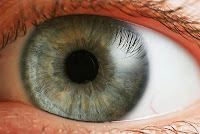
VIDEO+ARTICLE Cognoptix announced strong results in a clinical trial of its SAPPHIRE II eye test. It successfully identified Alzheimer’s via the human eye’s beta-amyloid signature.

VIDEO Watch this proud stand from the Colorado Senate. See a truly moving tribute to people with Alzheimer’s, as well as caretakers and the many
VIDEO+ARTICLE Simple eye tests have the potential to transform the way Alzheimer’s is detected and managed. Find out how two quick, low-cost Alzheimer’s eye tests

VIDEO+ARTICLE See the most successful basketball coach in history discuss her life since leaving the court to battle dementia. Find out about her new position
VIDEO Music legend Glen Campbell hasn’t let his battle with Alzheimer’s keep him from his music. His wife, Kim, tells USA TODAY about his life
VIDEO + ARTICLE Doctors think many Alzheimer’s drug trials fail because it is too late to cure the disease by the time people notice it.

Turbocharging the popular Alzheimer’s drug called Namenda with nitroglycerin achieved a better level of treatment in the lab. Learn how the new formulation, called NitroMemantine,

L.A.T.E.-Dementia is under-recognized, with a health impact as large as Alzheimer’s in very old people. It affects 25% of people over 85 and has nothing to do with the plaques and tangles that cause Alzheimer’s.
At Washington University, extra sleep reinforced connections between brain cells that encode memories. Past studies linked extra sleep to boosting memory. This study links extra sleep to the repair of damaged memory systems.

Vascular dementia is one of the 3 leading causes of dementia. When it appears together with Alzheimer’s, as it often does, it is called “Mixed dementia”. Learn what causes it and how to identify different types.

Three important dementia studies focus on HS-AGING, a type of dementia almost as common as Alzheimer’s in the 85+ group. Yet few people have heard of it. Why? What makes it different?
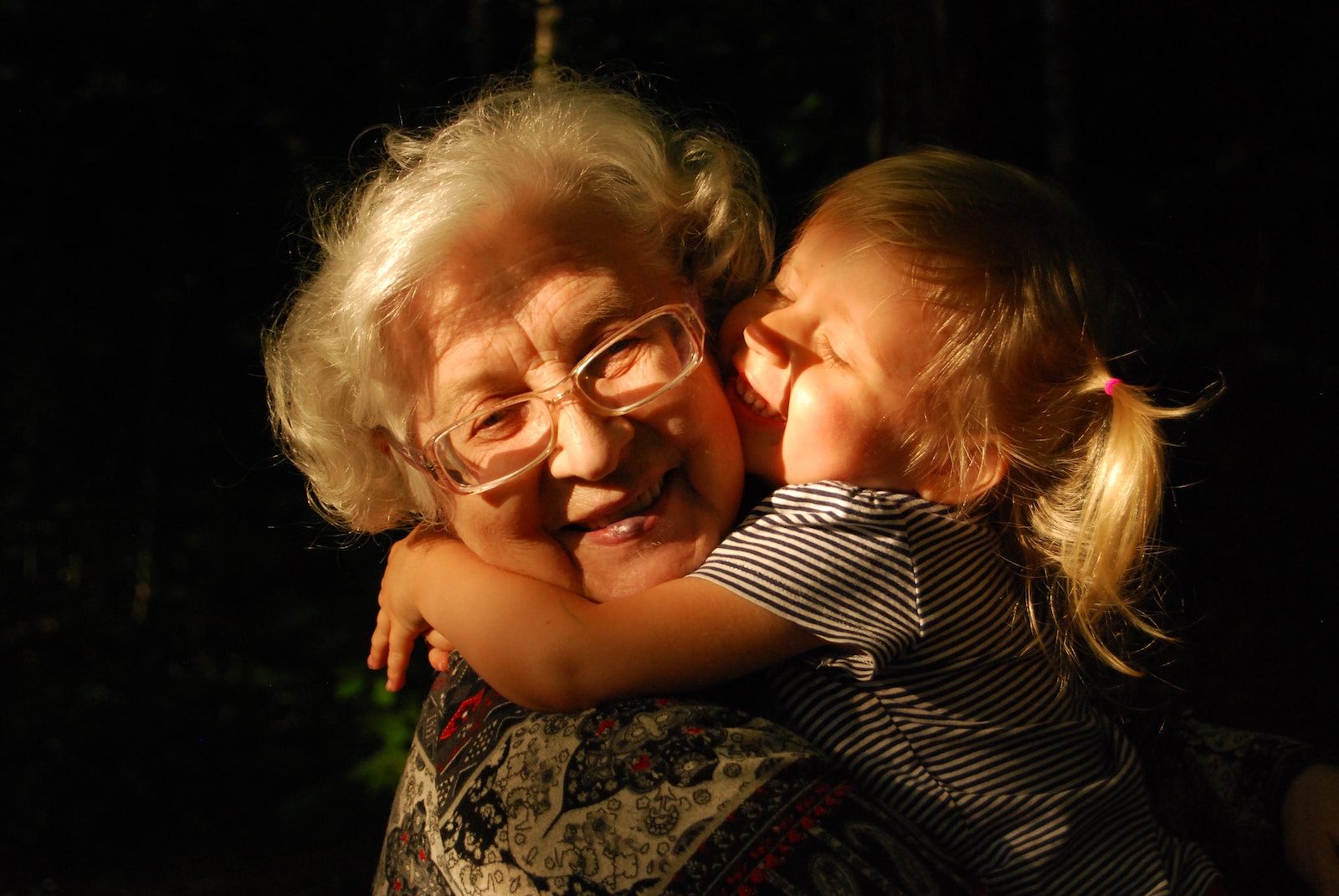
An intriguing study of 120 grandmothers might surprise you. Doctors know socially engaged people have better cognition and less dementia. But can a person get too much of a good thing? What’s the right balance?

Enjoy this great duet between a musician with dementia and his son. A triumph of spirit over Alzheimer’s! Sing-a-long if you like!

It looks like a sneeze cannot give anyone Alzheimer’s. While Alzheimer’s abnormal disease proteins do spread from cell-to-cell, they are not “infectious”. Check out the facts.