Ask for an Ultrasound Screening to Cut Vascular Dementia Risk in Half
Atherosclerotic plaque triggers vascular dementia. Ultrasound easily detects it and could cut rates in half. Learn how.
Atherosclerotic plaque triggers vascular dementia. Ultrasound easily detects it and could cut rates in half. Learn how.

Music’s effect on the brain fascinated neurologist Oliver Sacks, MD. His research led him to helping people with Alzheimer’s. Watch this best-selling author share how dementia, without exception, responds to music.

Mad Cow Disease spreads vCJD dementia. In this key study, a non-invasive urine sample test picked it up. Find out how this may stop vCJD in its tracks.

See how The Virtual Forest Project lifts people with dementia.

Enjoy this great duet between a musician with dementia and his son. A triumph of spirit over Alzheimer’s! Sing-a-long if you like!

It looks like a sneeze cannot give anyone Alzheimer’s. While Alzheimer’s abnormal disease proteins do spread from cell-to-cell, they are not “infectious”. Check out the facts.

TEEPA CARE VIDEO: Learn about Alzheimer’s 6 stages. Teepa Snow shows what to expect, while keeping the focus on the person for whom you care.
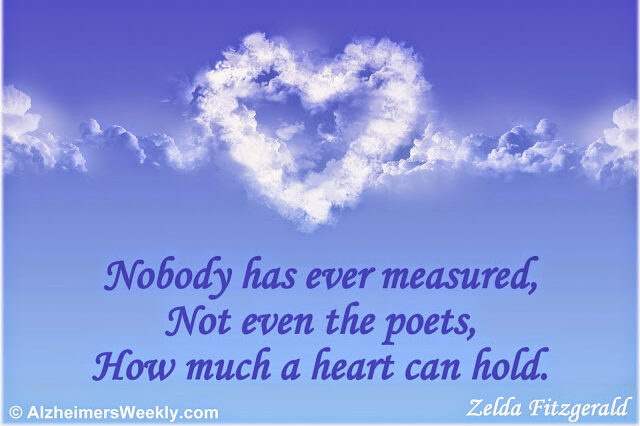
Nobody has ever measured,
Not even the Poets,
How much a heart can hold. (Zelda Fitzgerald)
Anosognosia affects the majority of people living with dementia. Understanding this condition fundamentally changes how we approach conversations, decision-making, and future planning.

The Alzheimer’s Foundation of America is offering virtual memory screenings through its National Memory Screening Program, free. It’s easy to get one.

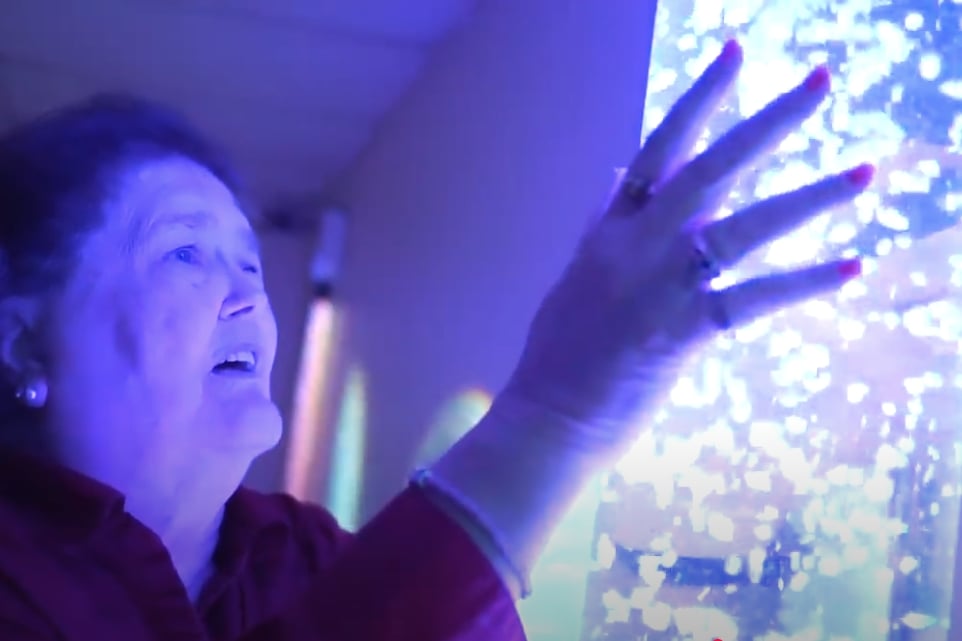
ACTIVITIES VIDEO + ARTICLE: A one-of-a-kind Alzheimer’s center inspires and stimulate memories for people living with dementia.

People living with dementia can experience changed perception, often resulting in visual misinterpretation and disorientation –but simple changes in the environment can help.

VIDEO + ARTICLE: After studying 2,000 people, learn why researchers were surprised to find that allowing ourselves to ‘feel lonely’, and NOT ‘being alone’, was associated with getting dementia. See how feeling connected keeps your brain cells connected, too.

Three important dementia studies focus on HS-AGING, a type of dementia almost as common as Alzheimer’s in the 85+ group. Yet few people have heard of it. Why? What makes it different?
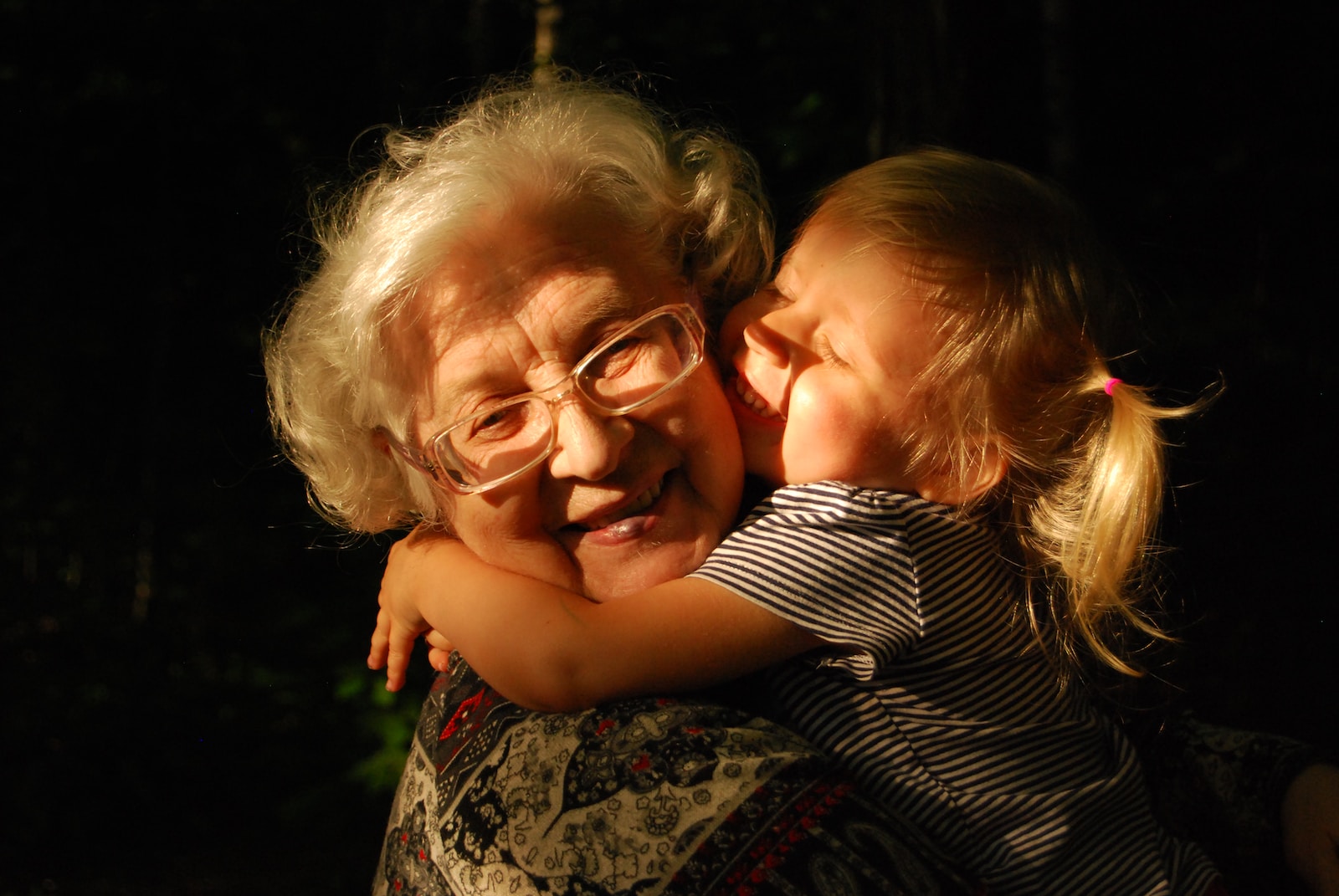
An intriguing study of 120 grandmothers might surprise you. Doctors know socially engaged people have better cognition and less dementia. But can a person get too much of a good thing? What’s the right balance?

Enjoy this great duet between a musician with dementia and his son. A triumph of spirit over Alzheimer’s! Sing-a-long if you like!

It looks like a sneeze cannot give anyone Alzheimer’s. While Alzheimer’s abnormal disease proteins do spread from cell-to-cell, they are not “infectious”. Check out the facts.