Think It’s Dementia? Good Chance It’s Not
Memory failing? New research shows you may need help, but not for dementia. Memory slips, stress and fatigue are growing in people with healthy memory.
Memory failing? New research shows you may need help, but not for dementia. Memory slips, stress and fatigue are growing in people with healthy memory.
People may not have easy access to sophisticated, expensive dementia tests. A simple test from Einstein Medicine uses a stopwatch and a few questions to determine one’s risk of dementia. The potential payoff could be tremendous for individuals, their families and society.

DRINKING beet juice can increase blood flow to the brain in older adults. The way beet juice does this holds great potential for combating dementia.
When Memory Loss Becomes Invisible to Those Who Need Help Most

Ketone-rich diets increase the SIRT3 protein that protects neurons from death during the progression of Alzheimer’s disease. But how does it work? Find out more.
A safer Alzheimer’s treatment may be on the horizon — but families still have meaningful choices today.

The smallest act of kindness is worth more than The grandest intention. Oscar Wilde

Many diagnosed patients won’t qualify — here are the
7 medical criteria.

People worry about becoming forgetful. Is it the first sign of Alzheimer’s or just the passing years? After all, forgetfulness is a normal part of aging. Check out these quick ways to tell the difference.
Creating peace, calm and a sense of control over their environment is the best gift to give a person living with Alzheimer’s. Learn all about In-Home Routines.
Watch the huge “Giving Voice Chorus” come alive and rise above Alzheimer’s. Get inspired by the music that Alzheimer’s can’t shake.

TEEPA CARE VIDEO:
Teepa Snow explains what to expect as dementia takes over the brain. Learn how our fascinating brains work and affect our behavior.

Can a happier frame of mind help overcome aging’s cognitive decline? Ohio State University scientists share meaningful insights from their study.

Three important dementia studies focus on HS-AGING, a type of dementia almost as common as Alzheimer’s in the 85+ group. Yet few people have heard of it. Why? What makes it different?
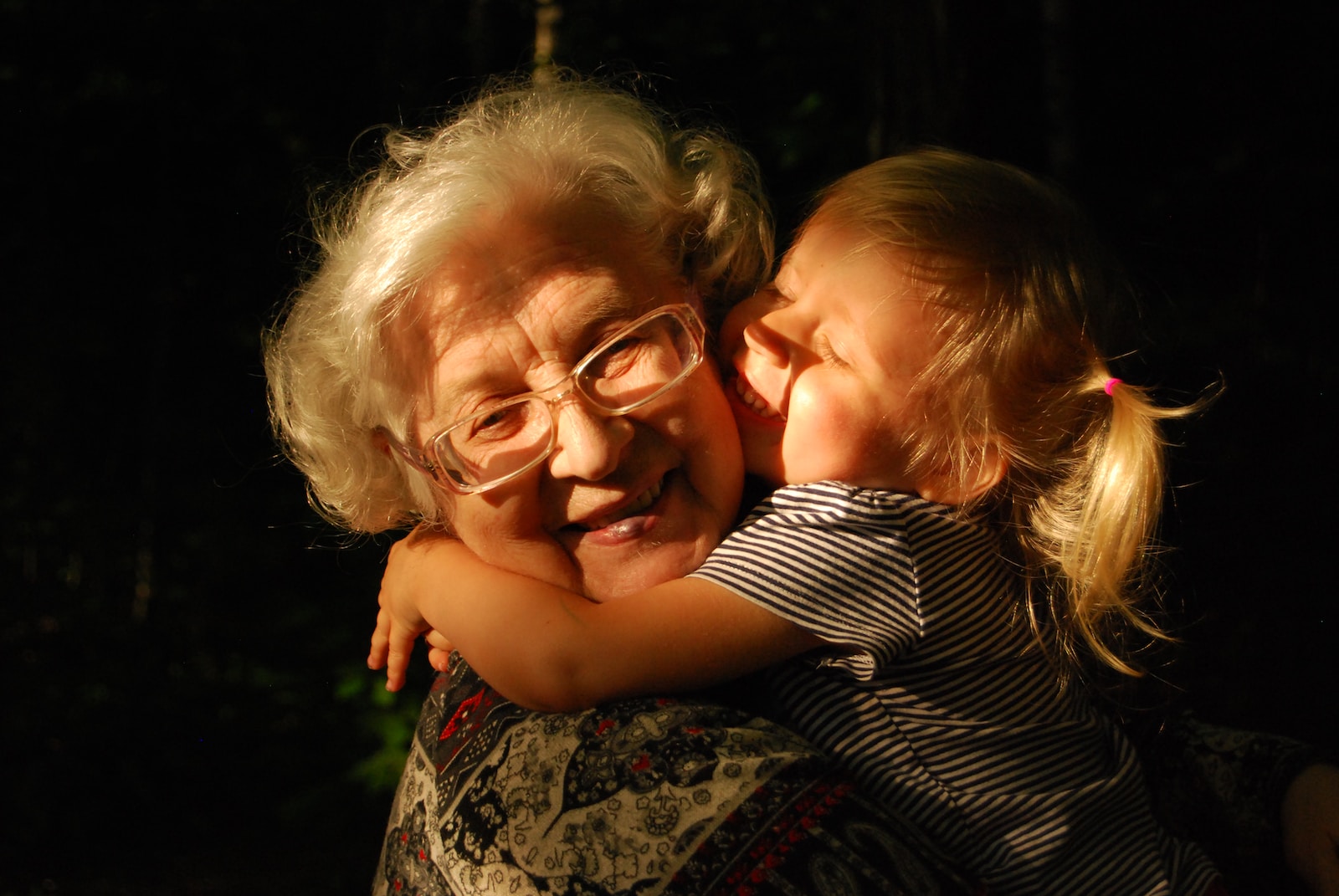
An intriguing study of 120 grandmothers might surprise you. Doctors know socially engaged people have better cognition and less dementia. But can a person get too much of a good thing? What’s the right balance?
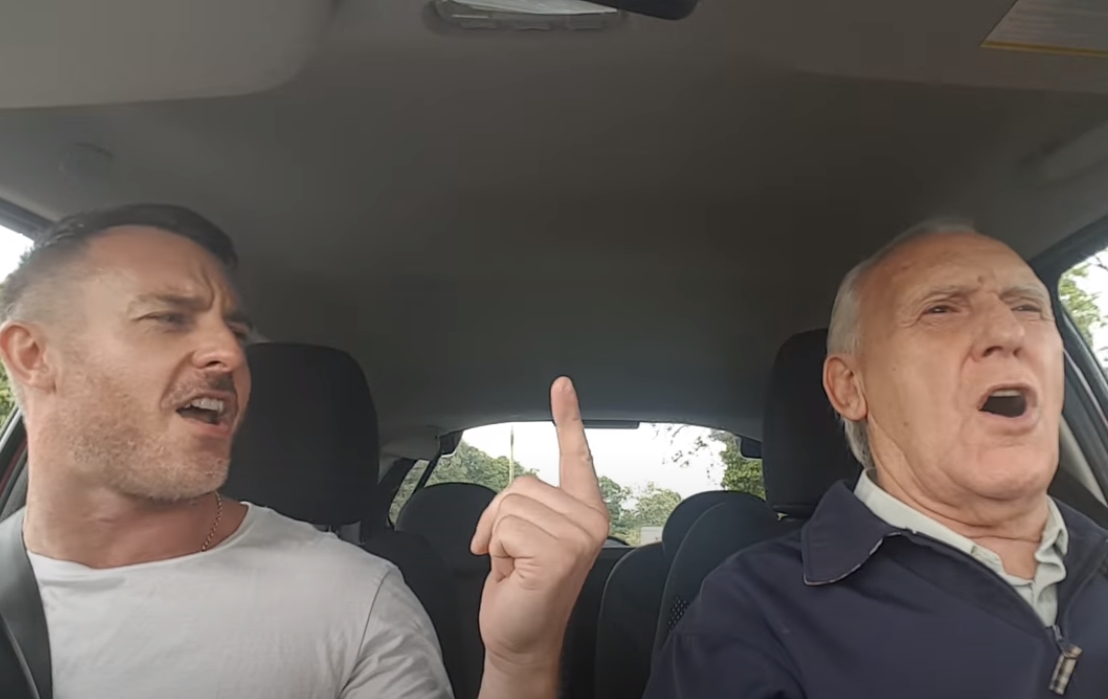
Enjoy this great duet between a musician with dementia and his son. A triumph of spirit over Alzheimer’s! Sing-a-long if you like!
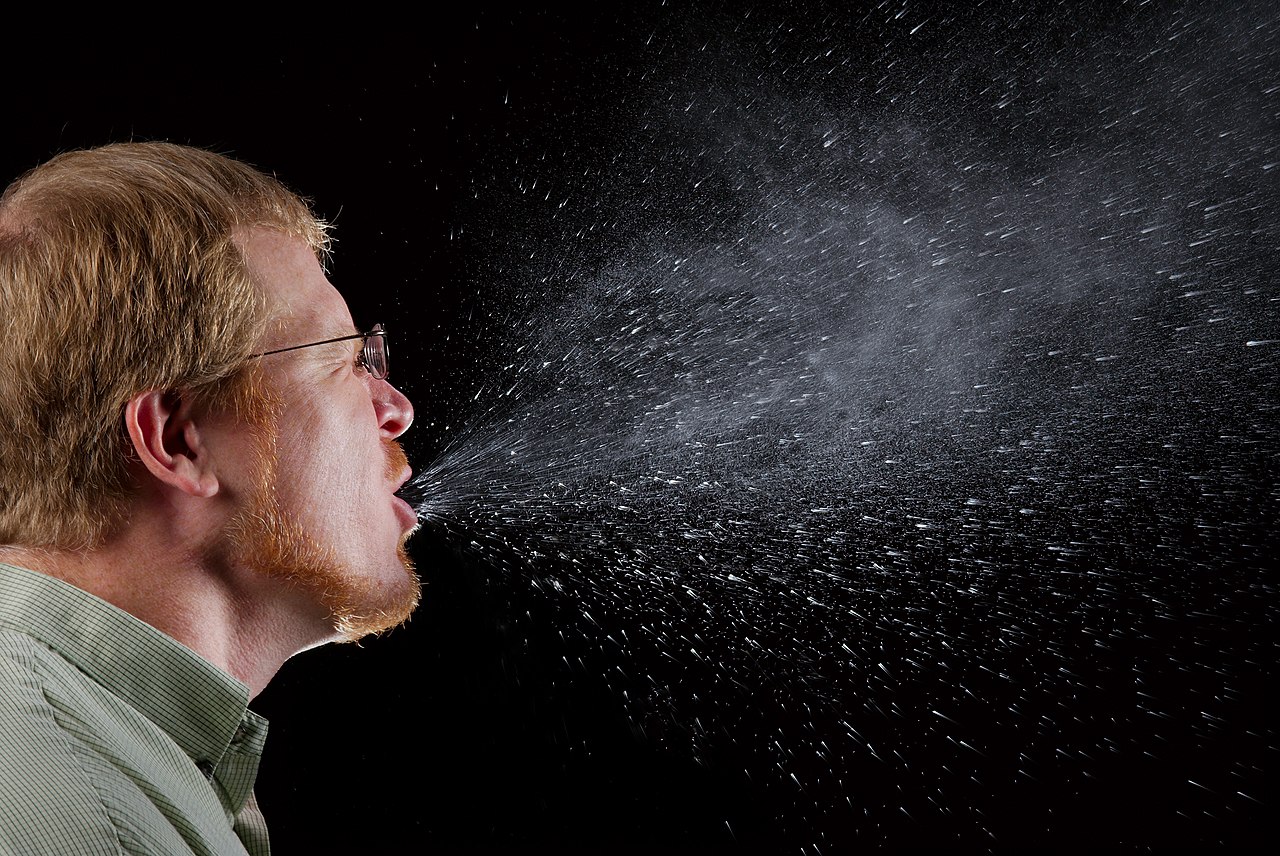
It looks like a sneeze cannot give anyone Alzheimer’s. While Alzheimer’s abnormal disease proteins do spread from cell-to-cell, they are not “infectious”. Check out the facts.