
How Do Education & Brain Exercise Prevent Alzheimer’s?
Researchers find education and intellectual stimulation appear to activate a genetic program in the brain that promotes resistance to cognitive decline. Find out more.
Researchers find education and intellectual stimulation appear to activate a genetic program in the brain that promotes resistance to cognitive decline. Find out more.

SOCIALIZING in your 50s and 60s strongly predicts less dementia later on. Learn why, from new research by University College London. See Ohio State University demonstrate how true it is, from animals to people.
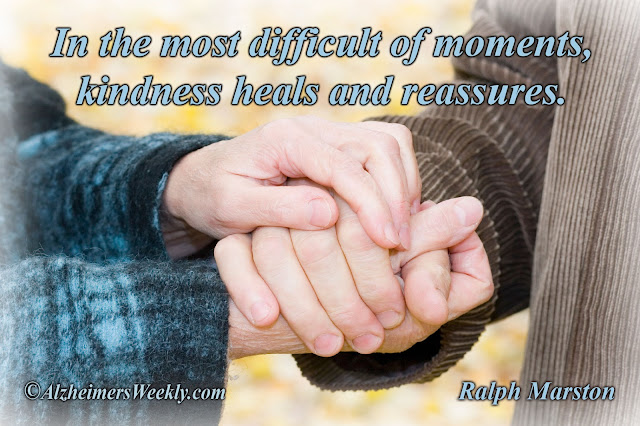
In the most difficult moments, Kindness heals and reassures.

Why early warning signs matter more than most people realize.

Hospital stays with dementia should focus on elder safety. See a special ER for seniors, equipped with brilliant features that speed comfort and care to this population.

Too much sleep and too little sleep can contribute to cognitive decline, researchers report. Learn more.

New early-onset Alzheimer’s data show that lecanemab can slow functional decline—even while tau continues to spread in the brain. The research helps explain how amyloid-lowering treatments may still preserve daily life, despite the disease’s complexity.

People with dementia who were consistently seen by the same General Practitioner (GP) are given fewer medicines and are less likely to be given medicines that can cause problems, according to researchers at University of Exeter. Learn more.

Amyloid is one of the leading culprits behind Alzheimer’s. Scientists know it damages memory by killing brain cells. Now research reveals how amyloid triggers memory loss in perfectly healthy brain cells as well. Learn more about how Alzheimer’s develops.

Getting out into the fresh air and taking a walk does good things for your brain and well-being, researchers say.

DIET VIDEO + ARTICLE: Healthy? Normal blood sugar? No diabetes? Even so, find out how the more sugar you eat, the less memory you get.

ASTONISHING VIDEO & ARTICLE: Dementia-risk was tested for 17 sugar levels in 2000 people. Each higher level bumped up the risk, without exception. See why researchers found these results so compelling.

VIDEO: Men and women living into their nineties are the fastest growing segment in the US population. What determines who will make it into their 90s, and in what condition? The “90+” research study is hoping to find out. Learn more.

Three important dementia studies focus on HS-AGING, a type of dementia almost as common as Alzheimer’s in the 85+ group. Yet few people have heard of it. Why? What makes it different?
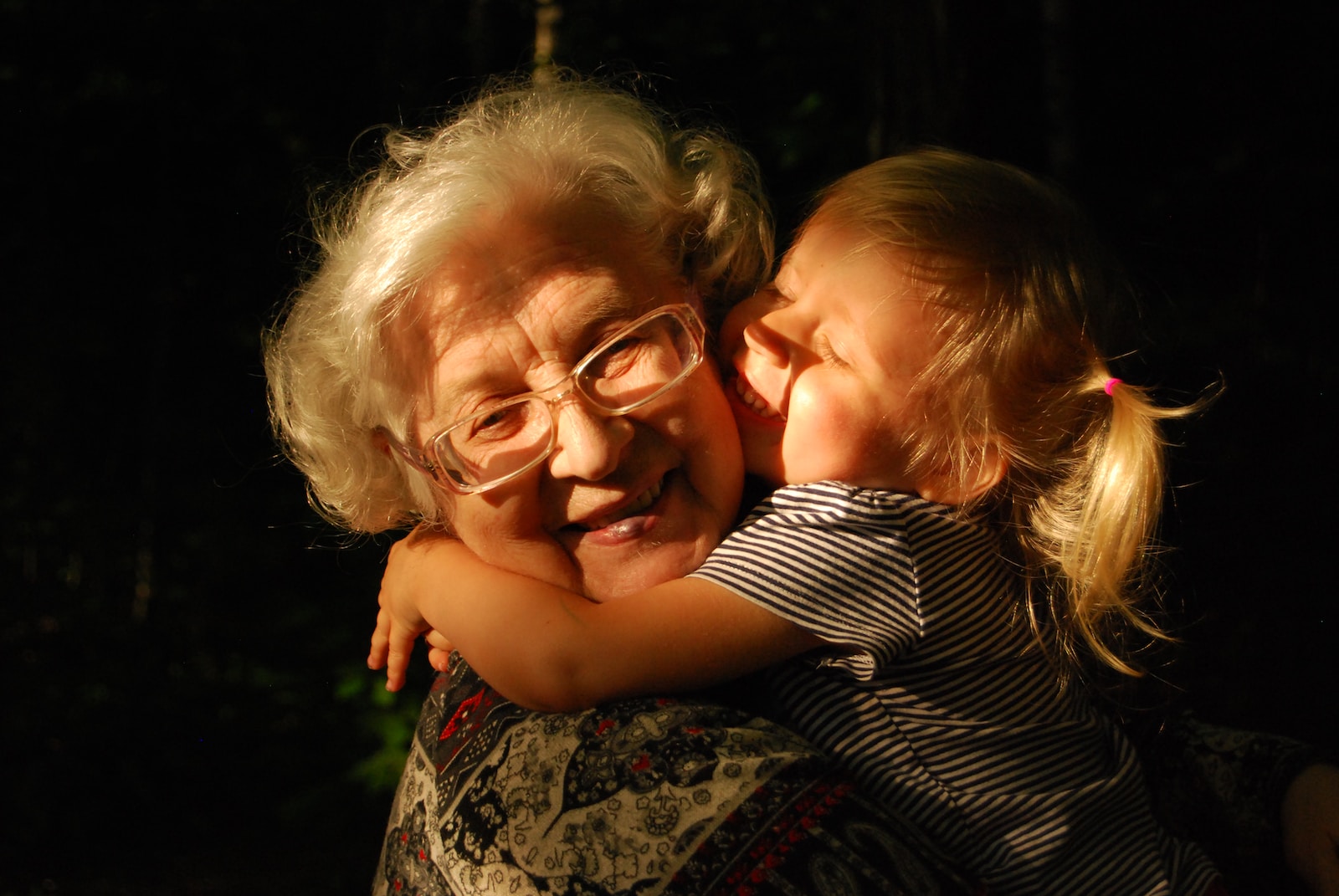
An intriguing study of 120 grandmothers might surprise you. Doctors know socially engaged people have better cognition and less dementia. But can a person get too much of a good thing? What’s the right balance?

Enjoy this great duet between a musician with dementia and his son. A triumph of spirit over Alzheimer’s! Sing-a-long if you like!

It looks like a sneeze cannot give anyone Alzheimer’s. While Alzheimer’s abnormal disease proteins do spread from cell-to-cell, they are not “infectious”. Check out the facts.