Opioids & Dementia: New Study Finds Strong Link
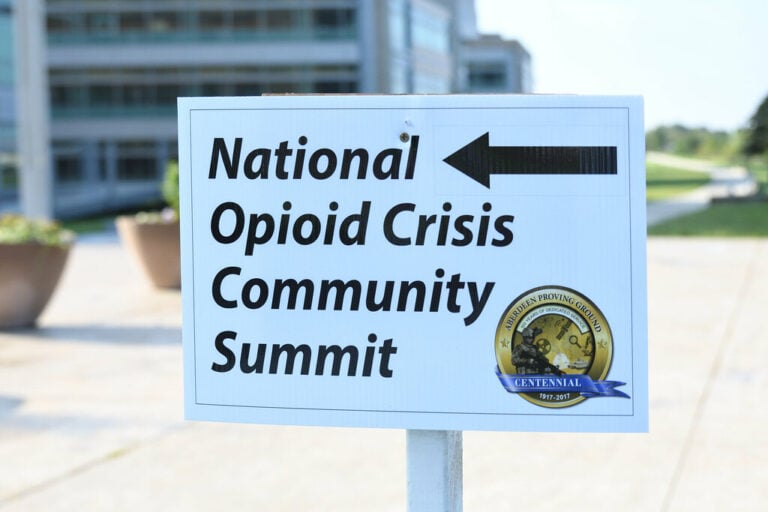
Does pain relief risk cognitive cost? A major new study of almost 200,000 people says yes—and the price may be higher than we thought.
Does pain relief risk cognitive cost? A major new study of almost 200,000 people says yes—and the price may be higher than we thought.

SHORT-TERM MEMORY lapses are obvious signs of Alzheimer’s, but other tell-tale signals begin to show much earlier. Learn how to look for semantic impairments, such as simple questions about size.
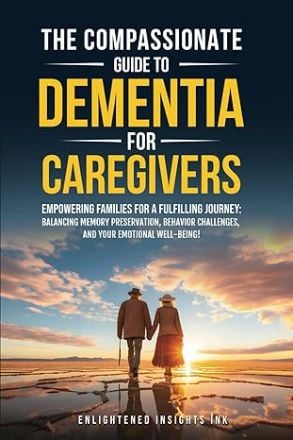
Discover compassionate, practical and proven strategies to navigate dementia care confidently, ensuring the well-being of both you and your loved one.

How can military service impact brain health? What are specific risk factors? Are there vital steps soldiers can take towards dementia prevention and treatment?

Salk Institute’s J147 is a derivative of turmeric, a spice used in curry. Learn how it fights memory deficits and has a host of unexpected anti-aging effects in the lab.

FDA approves a newly recommended dosing schedule for Kisunla (Donanemab). It’s significantly safer due to lowered ARIA-E rates, which has been the main problem with these drugs.
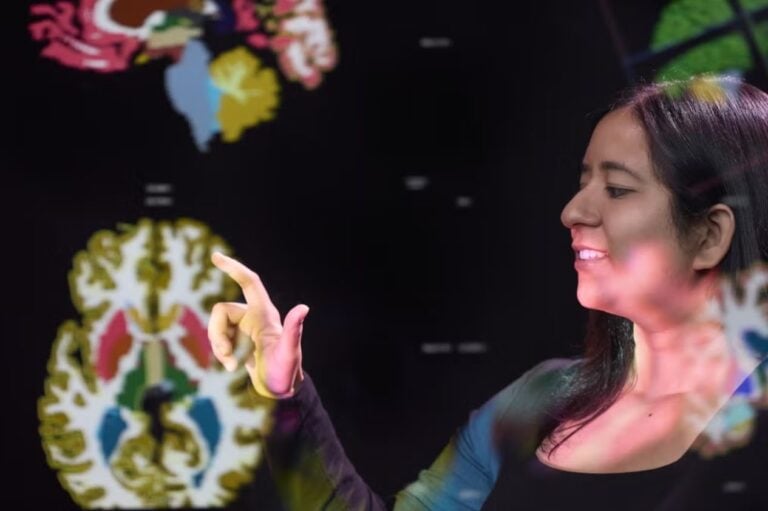
A nutrient hidden in your daily meals could hold the key to preventing and slowing Alzheimer’s. Discover what Arizona researchers are revealing about the power of choline.

BOOK OF THE WEEK: Thoughtful Dementia Care is today’s best book on understanding the dementia experience. An easy-to-read, sensitive portrayal of managing the world of dementia.
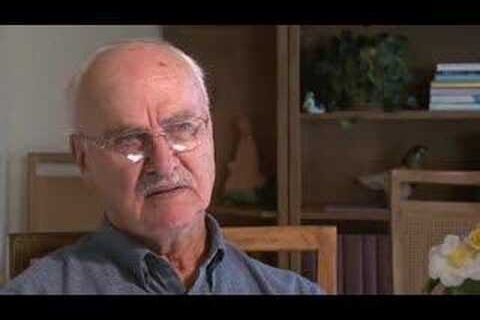
Don Hayen is a retired doctor, diagnosed with Alzheimer’s at 71. But that diagnosis took way too long. Find out how his “cognitive reserve” fooled his doctors. See why he sure wished it hadn’t.
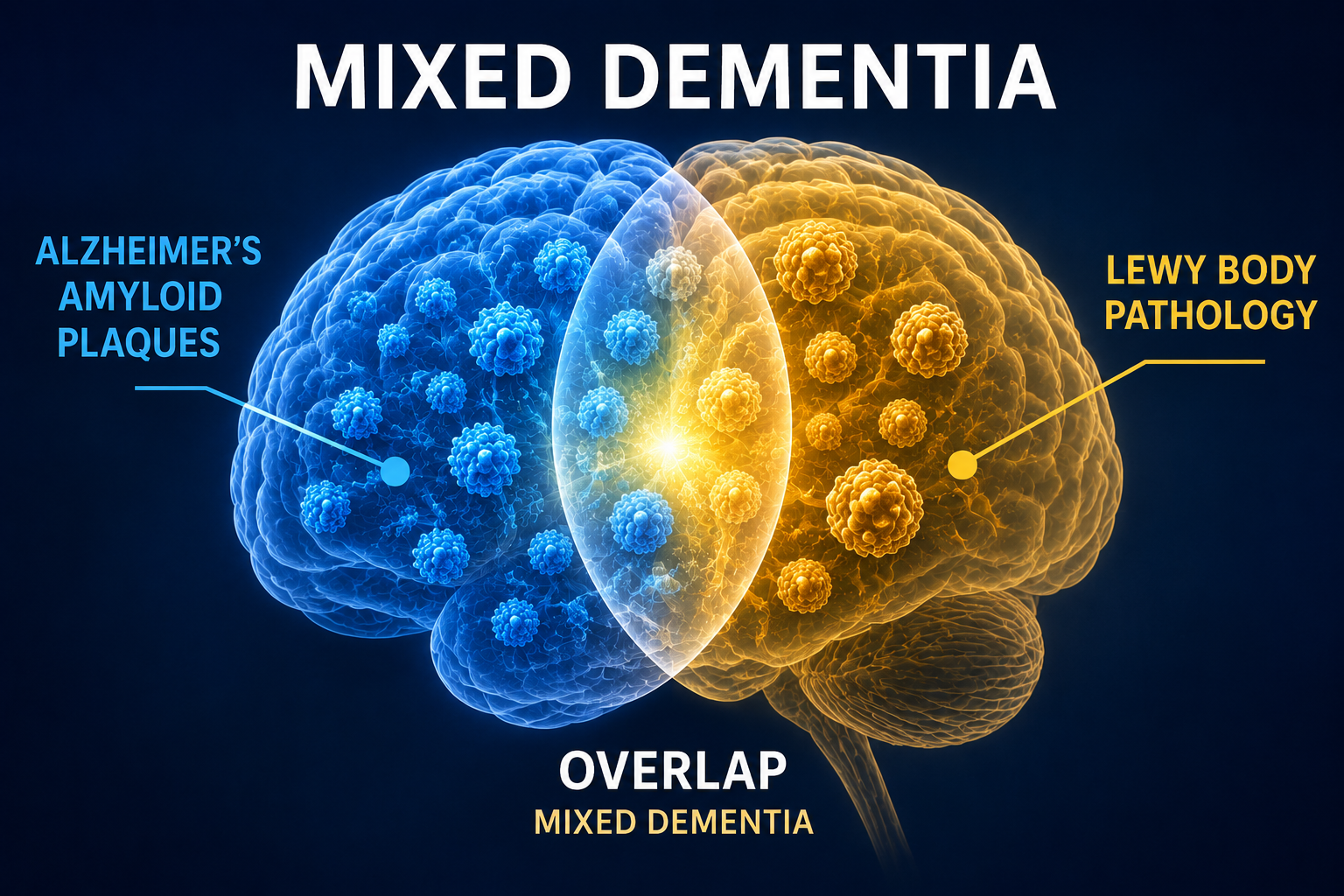
Over 50% of people with dementia have evidence of more than one type of dementia. A South Korean trial is testing Lilly’s Alzheimer’s drug Kisunla in people with both Lewy body dementia and Alzheimer’s. Success could open a new chapter in treating mixed dementia.

Vascular dementia has struck a million Americans. It’s often caused by a stroke. Learn how easy it is to prevent a stroke when you know the signs and quickly call 911.

VIDEO + ARTICLE: The world’s lowest rates of dementia are found in Amazonian indigenous groups. Now there’s more evidence their lifestyles may hold clues to preventing Alzheimer’s. Learn more.

Three important dementia studies focus on HS-AGING, a type of dementia almost as common as Alzheimer’s in the 85+ group. Yet few people have heard of it. Why? What makes it different?
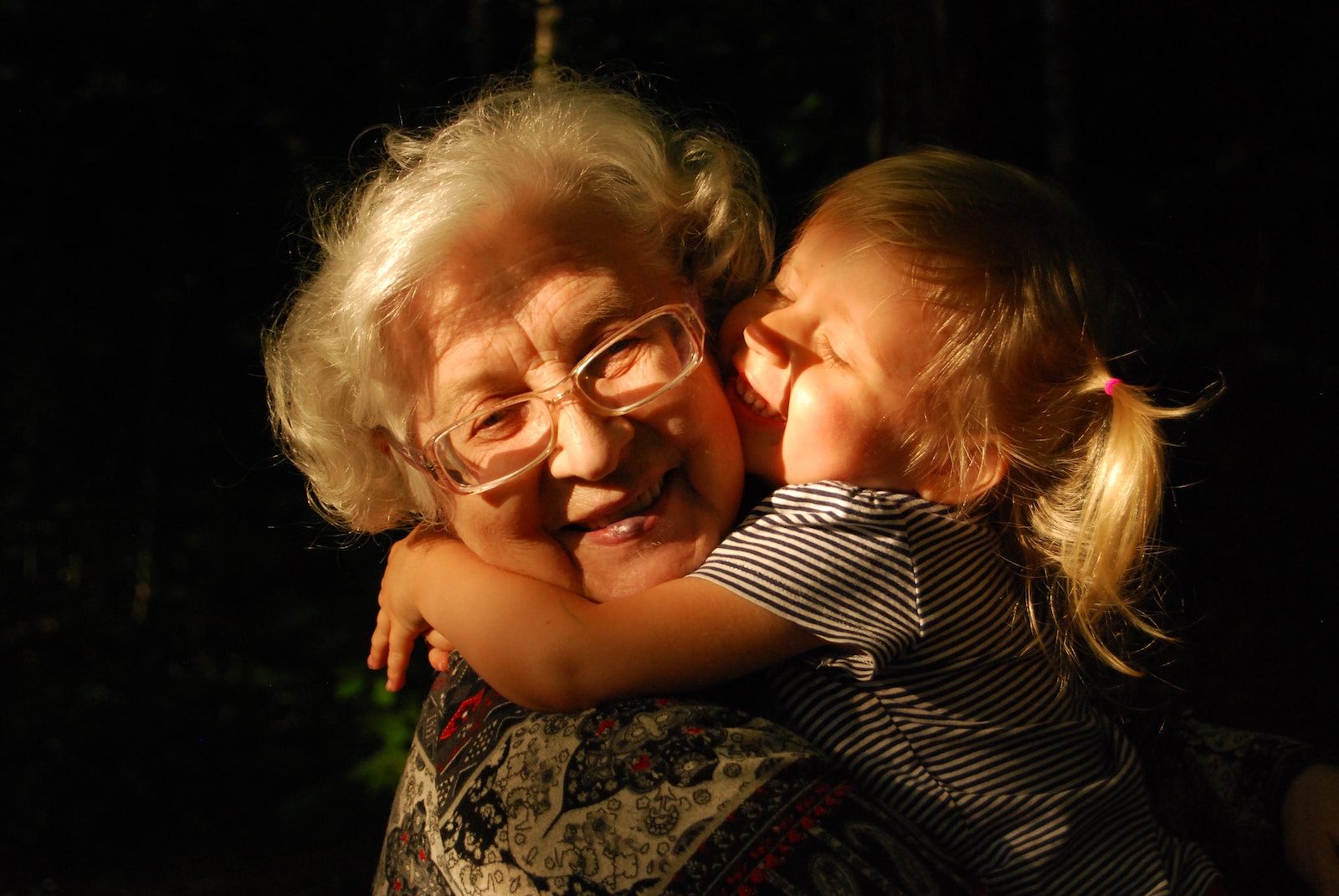
An intriguing study of 120 grandmothers might surprise you. Doctors know socially engaged people have better cognition and less dementia. But can a person get too much of a good thing? What’s the right balance?

Enjoy this great duet between a musician with dementia and his son. A triumph of spirit over Alzheimer’s! Sing-a-long if you like!
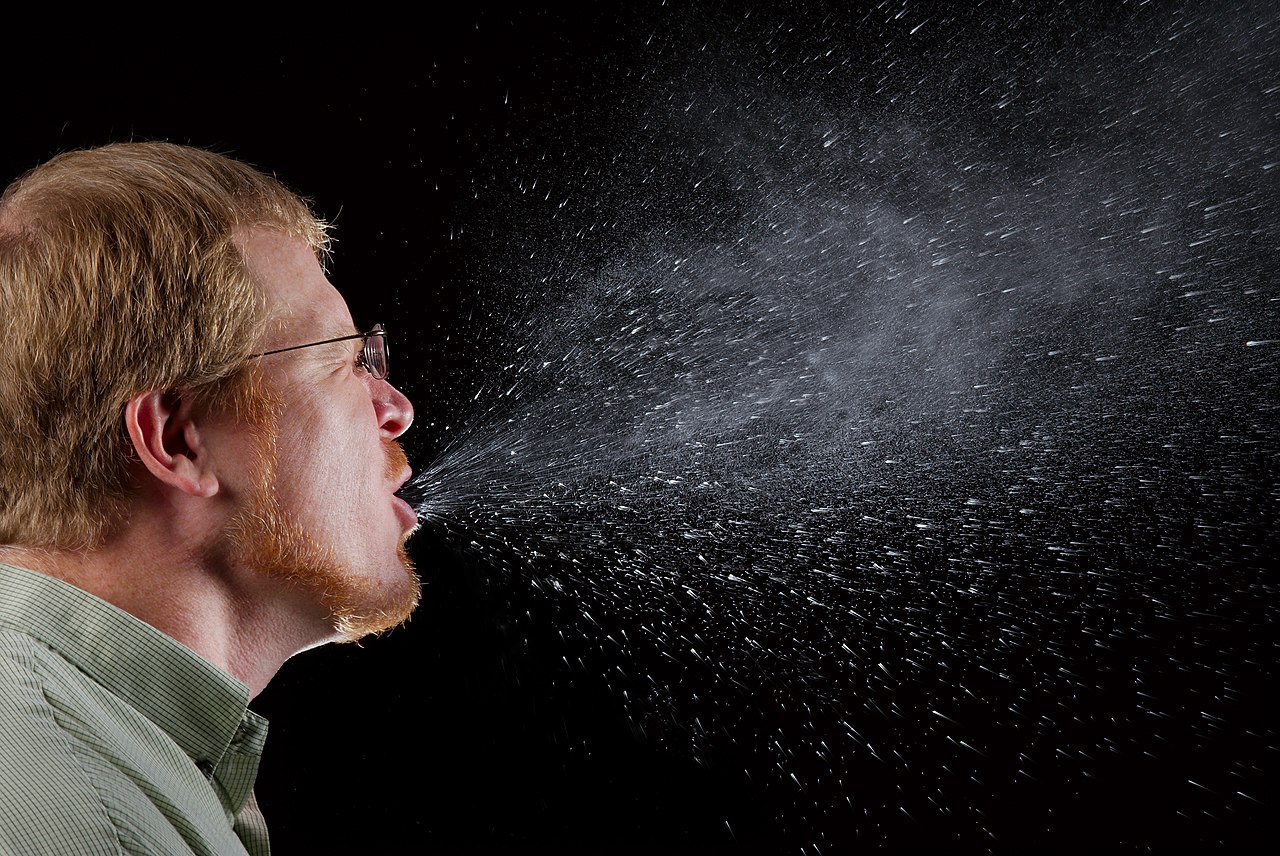
It looks like a sneeze cannot give anyone Alzheimer’s. While Alzheimer’s abnormal disease proteins do spread from cell-to-cell, they are not “infectious”. Check out the facts.