Grow Your Dementia Practice with Free Personalized Newsletters
How Personalized Alzheimer’s Weekly Newsletters Boost Business for Dementia Professionals.
How Personalized Alzheimer’s Weekly Newsletters Boost Business for Dementia Professionals.

Copper hits the brain with a one-two punch. It inhibits clearance of, AND it stimulates production of, Alzheimer’s plaque. See why copper is a key player in Alzheimer’s.

Baylor University/Dell Medical School study reveals surprising link between technology use and reduced risk for dementia for older adults.


The drugs, called NRTIs, have the potential to prevent a million cases of Alzheimer’s every year, the researchers believe.
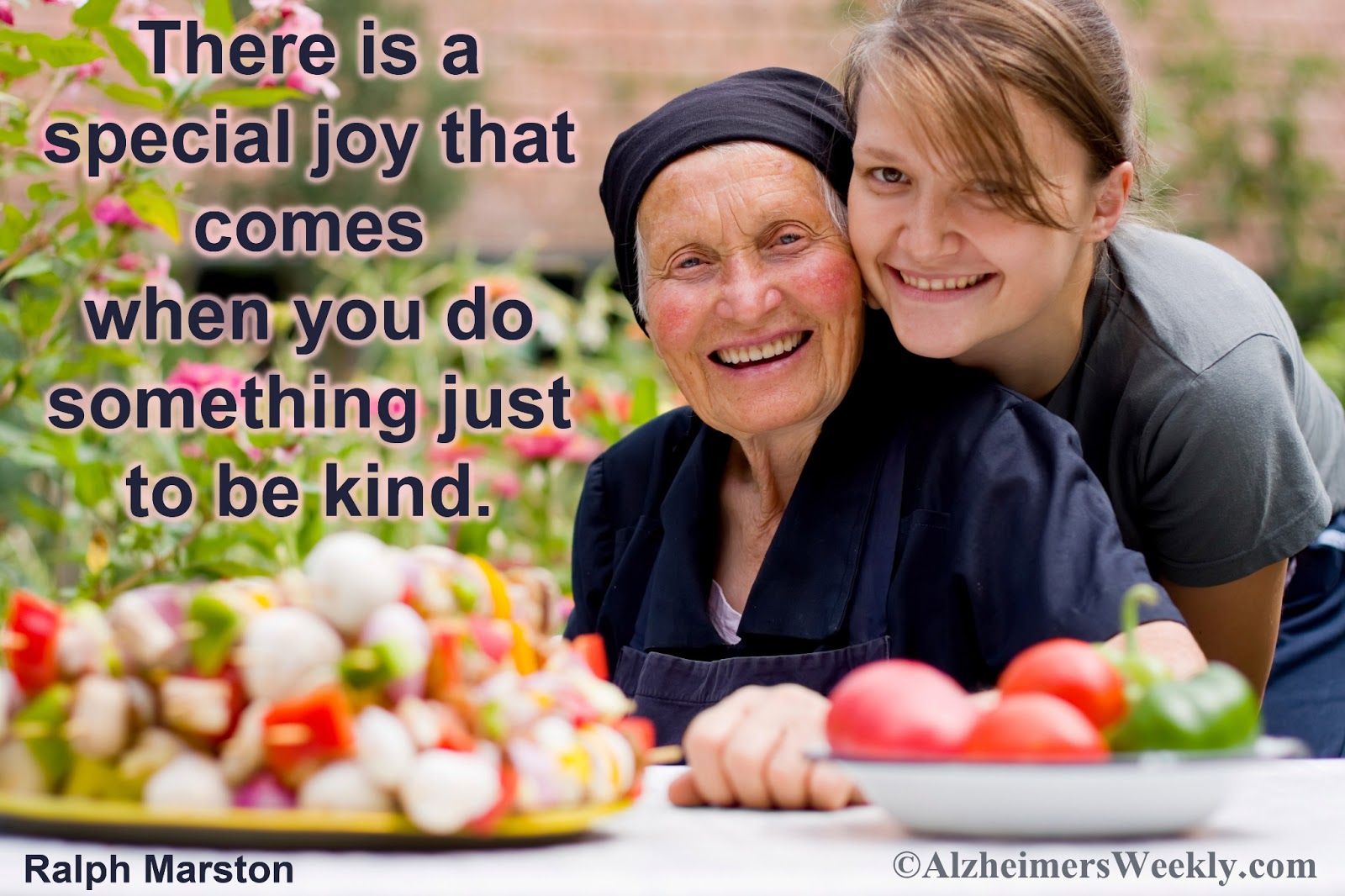
Mother and daughter with quote: “There is a special joy that comes when you do something just to be kind.”
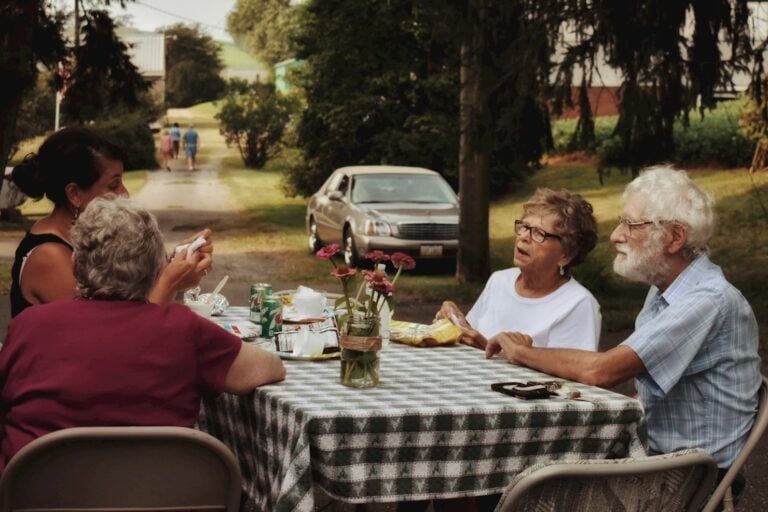
With dementia, it’s not just what you eat – it’s also how and where!
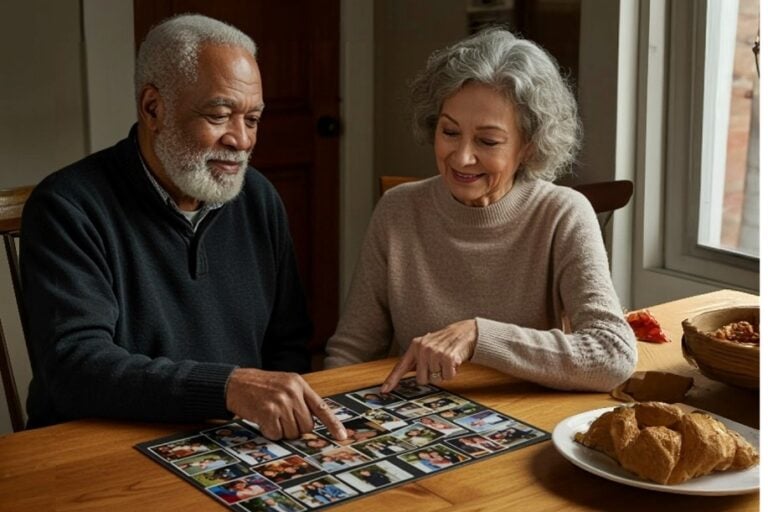
Make mealtime for loved ones with Alzheimer’s more meaningful. Foster social connections and bring people closer together with a custom, one-of-a-kind photo placemat. Make it a time to gather, share, and celebrate life.
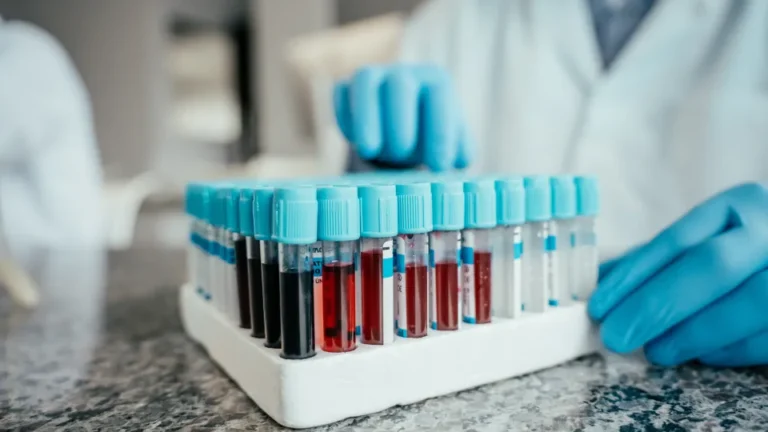
P-tau217 is a blood-based marker for Alzheimer’s. See how it offers a simpler, cheaper way to analyze Alzheimer’s.

You cannot control the wind, But you can adjust your sails.

(VIDEO) BOOK-OF-THE-WEEK: Dr. Gayatri Devi, Neurologist at NY’s Lenox Hill Hospital, released “The Spectrum of Hope: An Optimistic and New Approach to Alzheimer’s Disease and Other Dementias.” It details a plan for people with Alzheimer’s to live more empowered and productive lives.

Triheptanoin is available as a supplement or by prescription. A series of studies suggest it improves brain energy metabolism for people with Huntington’s disease. Learn how.

VIDEO & TRANSCRIPT: Caregiving is loving, yet frustrations can trigger guilt. See Dr. Peter Rabins, author of the #1 dementia book “The 36 Hour Day,” share healthy ways to heal caregiver guilt.

Three important dementia studies focus on HS-AGING, a type of dementia almost as common as Alzheimer’s in the 85+ group. Yet few people have heard of it. Why? What makes it different?
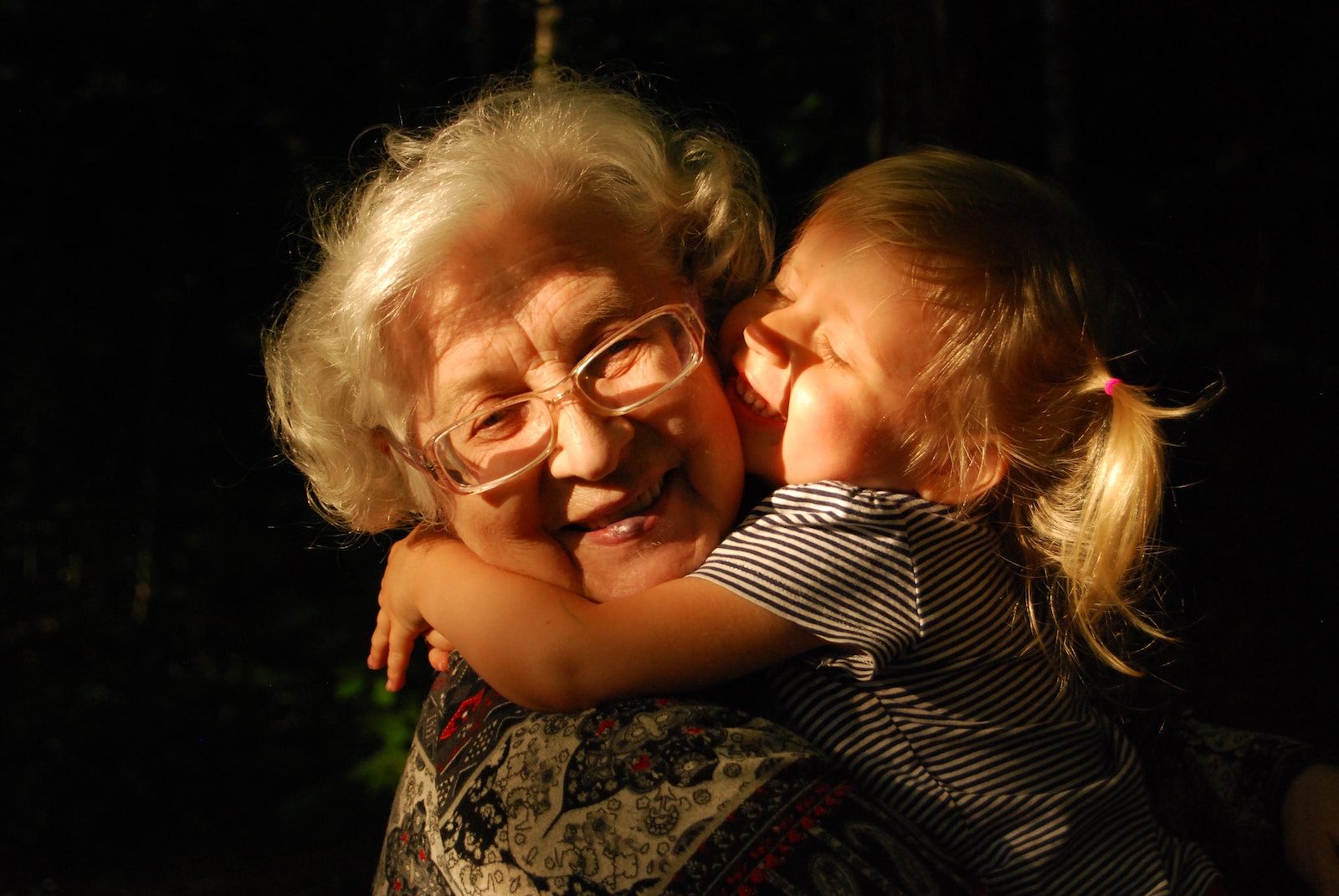
An intriguing study of 120 grandmothers might surprise you. Doctors know socially engaged people have better cognition and less dementia. But can a person get too much of a good thing? What’s the right balance?

Enjoy this great duet between a musician with dementia and his son. A triumph of spirit over Alzheimer’s! Sing-a-long if you like!
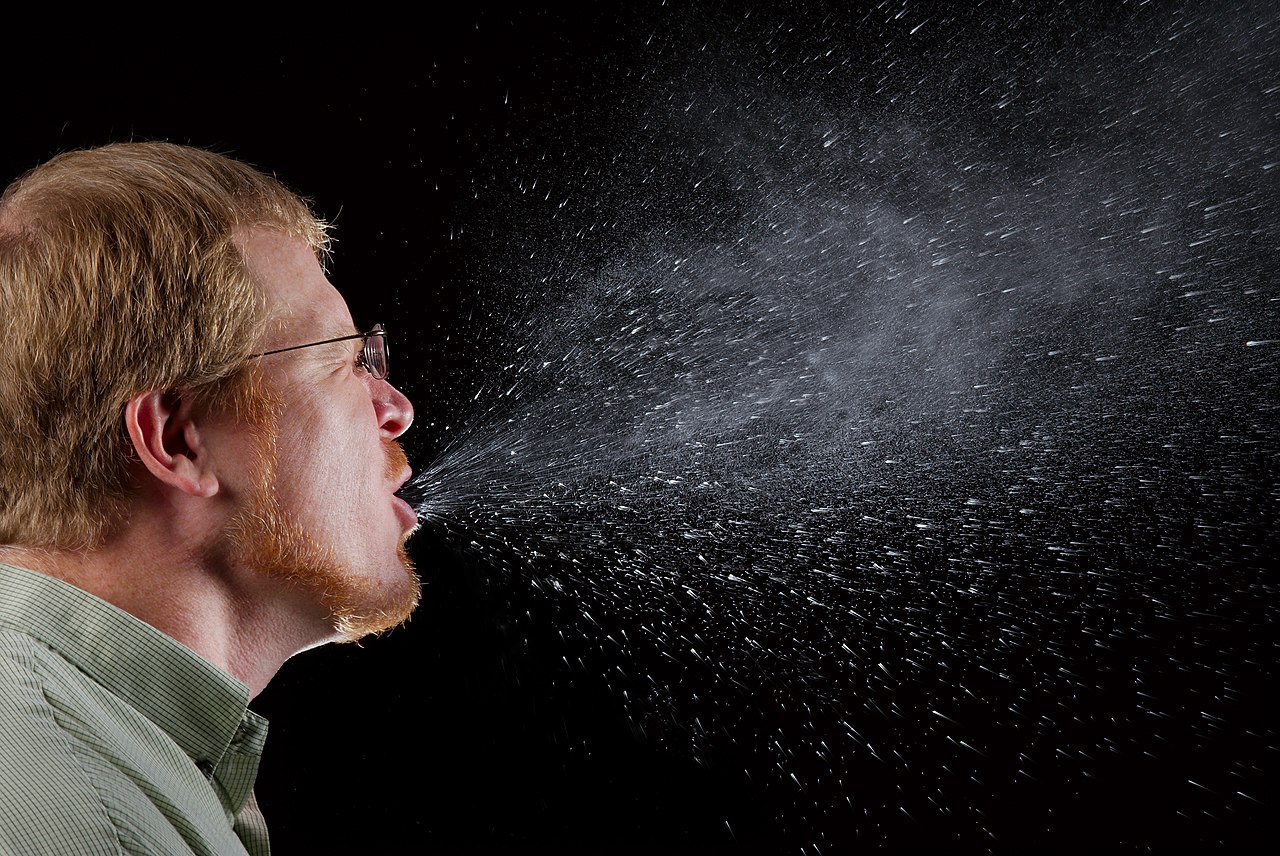
It looks like a sneeze cannot give anyone Alzheimer’s. While Alzheimer’s abnormal disease proteins do spread from cell-to-cell, they are not “infectious”. Check out the facts.