Why is Alzheimer’s Called Type-3 Diabetes?
Neurologist Jason Morangales offers a plain-English discussion on the famous Alzheimer’s nickname, “Type-3 Diabetes”. Learn about its connection to nutritional brain health.
Neurologist Jason Morangales offers a plain-English discussion on the famous Alzheimer’s nickname, “Type-3 Diabetes”. Learn about its connection to nutritional brain health.

There is a significant and direct correlation between the health of our mouths and our
brains. Dr. Katie Lee dives into the research behind the mouth-mind connection, how to prevent disease, and best practices for overall health and wellness.


Diabetes and prediabetes are dementia risk factors. They affect 1 in 7 adults! Learn about new research to lower that risk with lifestyle and drugs.

In a new Alzheimer’s study, Rexulti (brexpiprazole) significantly reduced agitation. Learn the kinds of agitation it reduced and by how much.

The best part of a good man’s life, His little, nameless, unremembered acts of kindness and love.

Is amyloid-beta plaque behind Alzheimer’s? A famous study proved “Yes”. Then news broke proving the study a fraud. Yet today’s best, newest Alzheimer’s drugs work by fighting plaque. Did fabricated scientific results accidentally set us on the path to a breakthrough?

There are no approved treatments for DLB, though it is the second most common type of dementia. Do drugs like donepezil hold the key?

In the USA, the same person may be twice as likely to be told they have dementia, depending on where they are diagnosed. Learn more to get a more accurate test and better treatment.


FILM: “BARBARA” is a highly successful British film on dementia. It improves relationships between people with dementia, caregivers, doctors & nurses. “Barbara” is a must-see.
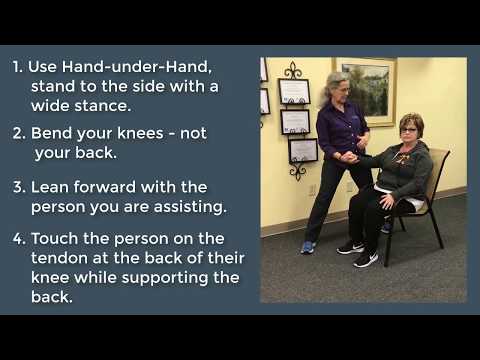
Teepa Snow: EMERGENCIES FROM FALLS increase 54% in dementia. Many happen while trying to sit down. Falls injure 1-in-3 seniors. See how to help them sit down safely.

Three important dementia studies focus on HS-AGING, a type of dementia almost as common as Alzheimer’s in the 85+ group. Yet few people have heard of it. Why? What makes it different?
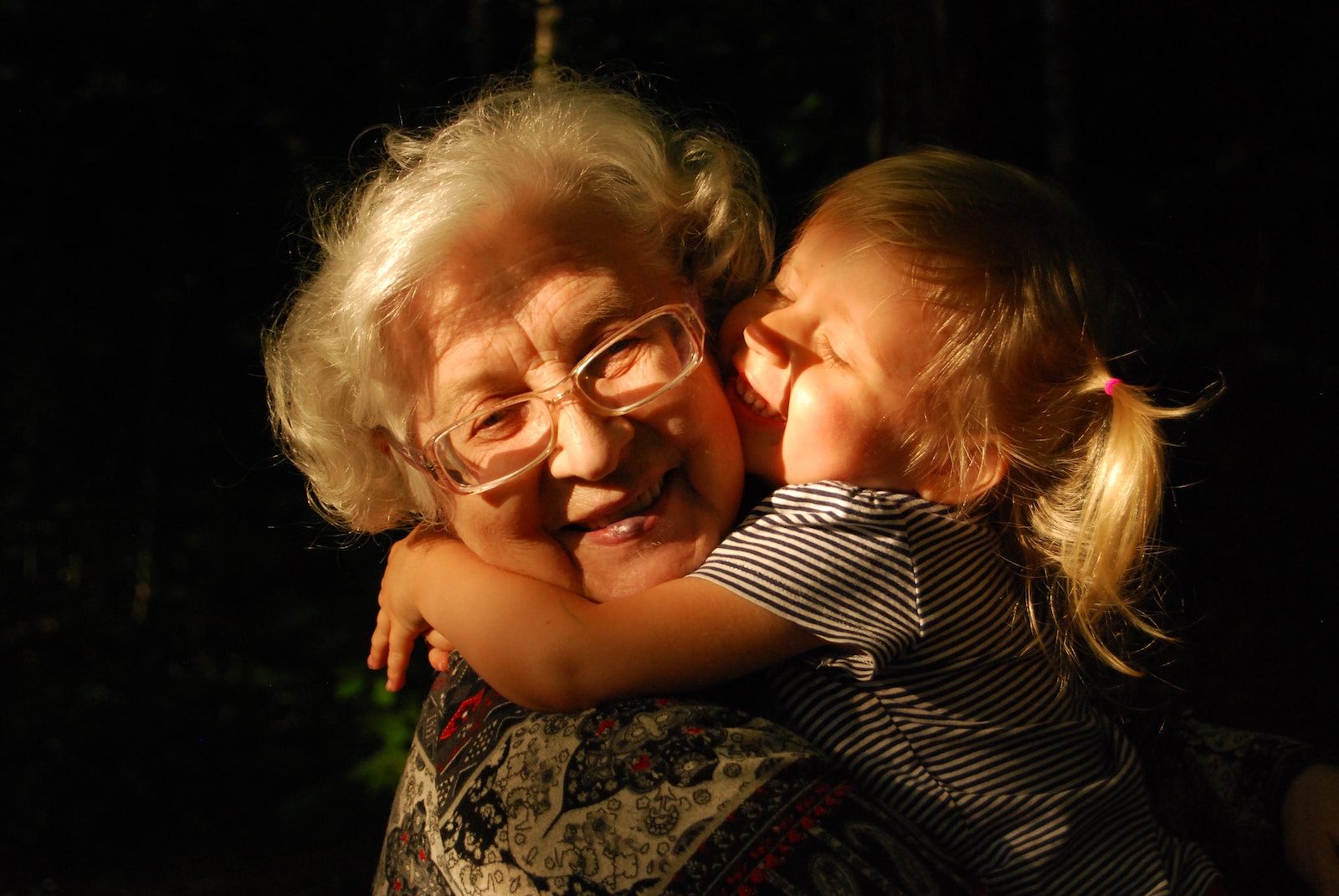
An intriguing study of 120 grandmothers might surprise you. Doctors know socially engaged people have better cognition and less dementia. But can a person get too much of a good thing? What’s the right balance?

Enjoy this great duet between a musician with dementia and his son. A triumph of spirit over Alzheimer’s! Sing-a-long if you like!

It looks like a sneeze cannot give anyone Alzheimer’s. While Alzheimer’s abnormal disease proteins do spread from cell-to-cell, they are not “infectious”. Check out the facts.