16 Care Tips for Alzheimer’s
For 12 years, I’ve cared for my wife with Alzheimer’s, through heartache and joy. Learning from me and my loved one, may these tips provide you real opportunities to live well with Alzheimer’s.
For 12 years, I’ve cared for my wife with Alzheimer’s, through heartache and joy. Learning from me and my loved one, may these tips provide you real opportunities to live well with Alzheimer’s.
It’s not that caregivers have so much time. It’s that they have so much heart.

Scientists found a way to predict Alzheimer’s up to seven years before symptoms appear using A.I.

Very small things that people do can make a very big difference to people with dementia. Hear people with early dementia share their experiences, stigmas and what you can do to help create a dementia-friendly world.


The first 3D-printed brain tissue that can grow and function like typical brain tissue is a major breakthrough for scientists in search of an Alzheimer’s cure.
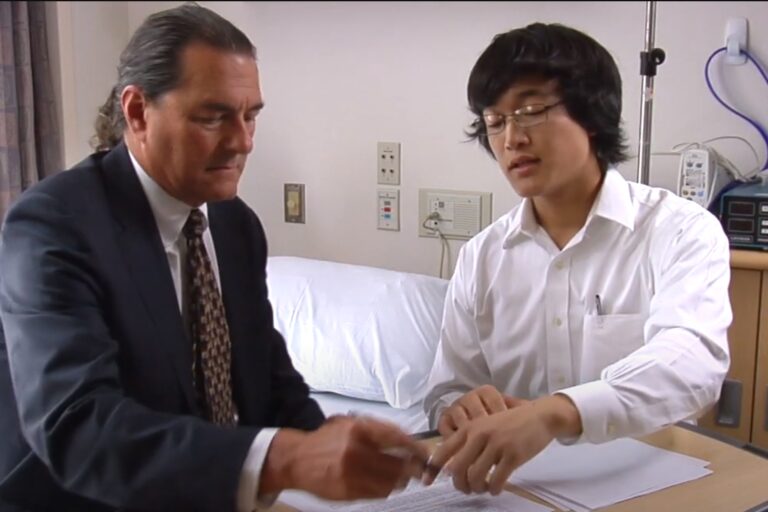
Walk through the various steps that occur as a person participates in the Alzheimer’s Disease Neuroimaging Initiative (ADNI) project.

God didn’t add another day in your life because you needed it. He added it because someone out there needs you.

Early evidence indicates ketogenic therapy is safe and effective for Alzheimer’s and other dementias. Dr. Stephen Cunnane shares his journey through this field.

Guardianship plays a critical role in dementia-care. Explore the legal implications and best practices. Ensure dignity and quality of life for your loved one with dementia.

See how Bob’s walking, talking, painting, getting up and going attitude makes him feel that, despite Alzheimer’s, there’s still a lot of good living to do.

CLR01, a “molecular tweezer”, keeps brain proteins from the clumping, or aggregating, that causes Alzheimer’s, Parkinson’s and Huntington’s dementia. Find out why CLR01 has strong potential as a new treatment.

Atherosclerotic plaque triggers vascular dementia. Ultrasound easily detects it and could cut rates in half. Learn how.

Three important dementia studies focus on HS-AGING, a type of dementia almost as common as Alzheimer’s in the 85+ group. Yet few people have heard of it. Why? What makes it different?
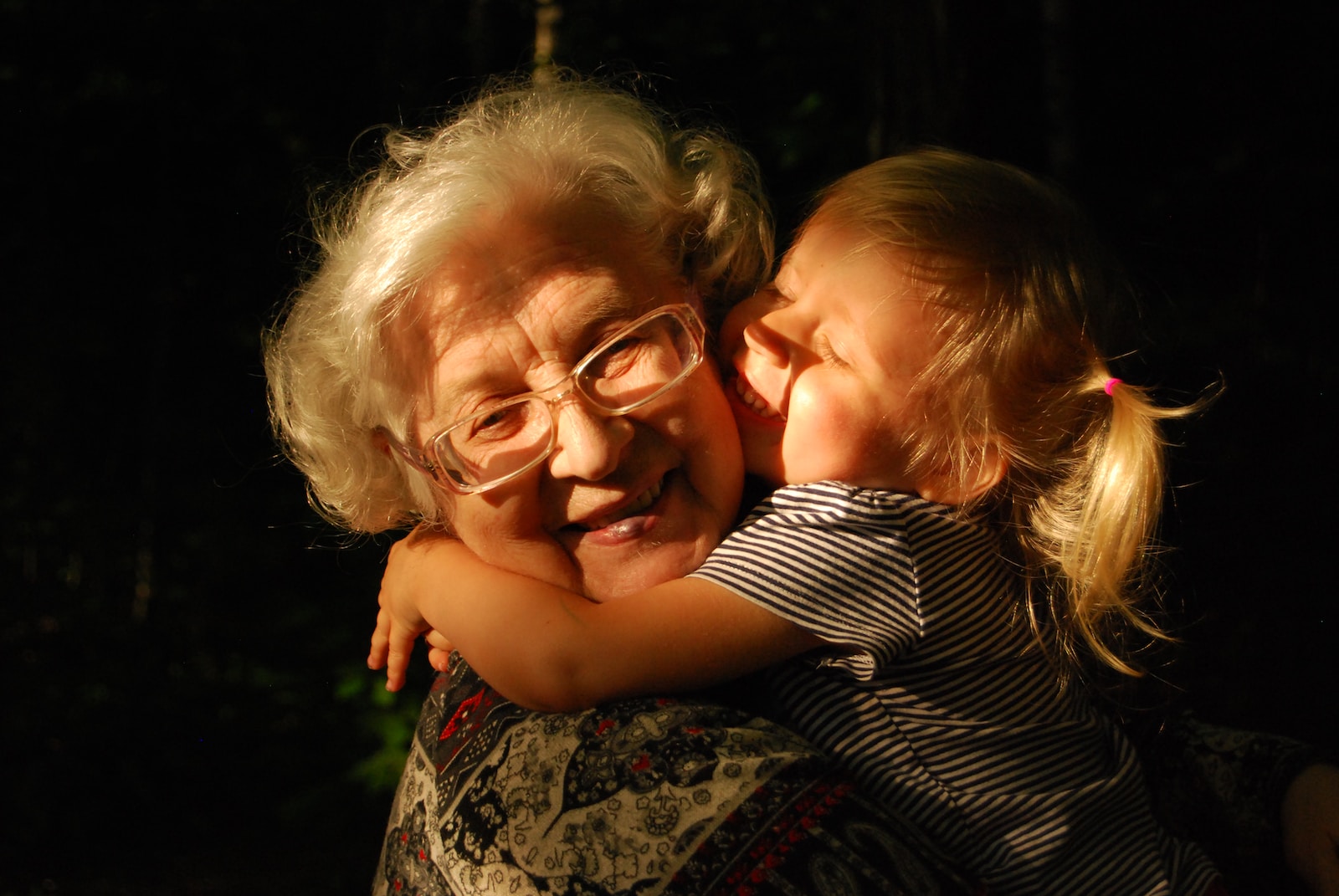
An intriguing study of 120 grandmothers might surprise you. Doctors know socially engaged people have better cognition and less dementia. But can a person get too much of a good thing? What’s the right balance?

Enjoy this great duet between a musician with dementia and his son. A triumph of spirit over Alzheimer’s! Sing-a-long if you like!

It looks like a sneeze cannot give anyone Alzheimer’s. While Alzheimer’s abnormal disease proteins do spread from cell-to-cell, they are not “infectious”. Check out the facts.