Why Do Only 1% of Tsimane Get Dementia?
What do today’s Tsimane people have in common with ancient Greeks and Romans? A remarkably low rate of dementia. What’s their secret?
What do today’s Tsimane people have in common with ancient Greeks and Romans? A remarkably low rate of dementia. What’s their secret?

Caring at home for Alzheimer’s or dementia? Comfort Keepers partnered with Dr. Alexis Abramson, Emmy Award-Winning Journalist and Gerontologist. See 10 tips to enhance each day.

Biogen reprioritize resources allocated to ADUHELM® to advance LEQEMBI®.
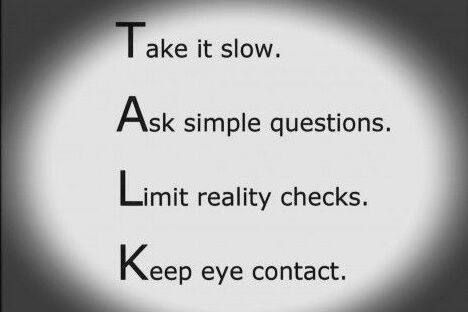
Take it slow. Ask Simple questions. Limit reality checks. Keep eye contact.

The BrainSee Alzheimer’s Test represents a cost-lowering advancement in diagnostics. It offers a fully non-invasive, convenient, and globally accessible screening solution.


Communicating a person’s stage of dementia helps everyone give better care. Expert Teepa Snow uses gems to visualize those stages and emphasize the abilities patients still have. Learn this powerful tool.

What happened to brain networks and connectivity in older adults walking four days a week on a treadmill?
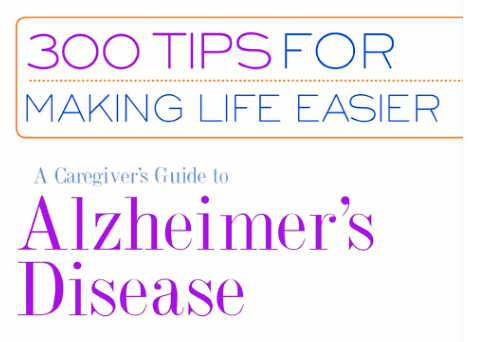
Revealing and contains much that is critical for caregivers to know. Easy to find specific information in this helpful, logical layout. The sections on spiritual needs in dementia are also welcome topics.

Strokes often trigger Vascular Dementia and Mixed Dementia. Just how effective are vegetarian and plant-based diets in protecting us from these common types of dementia?
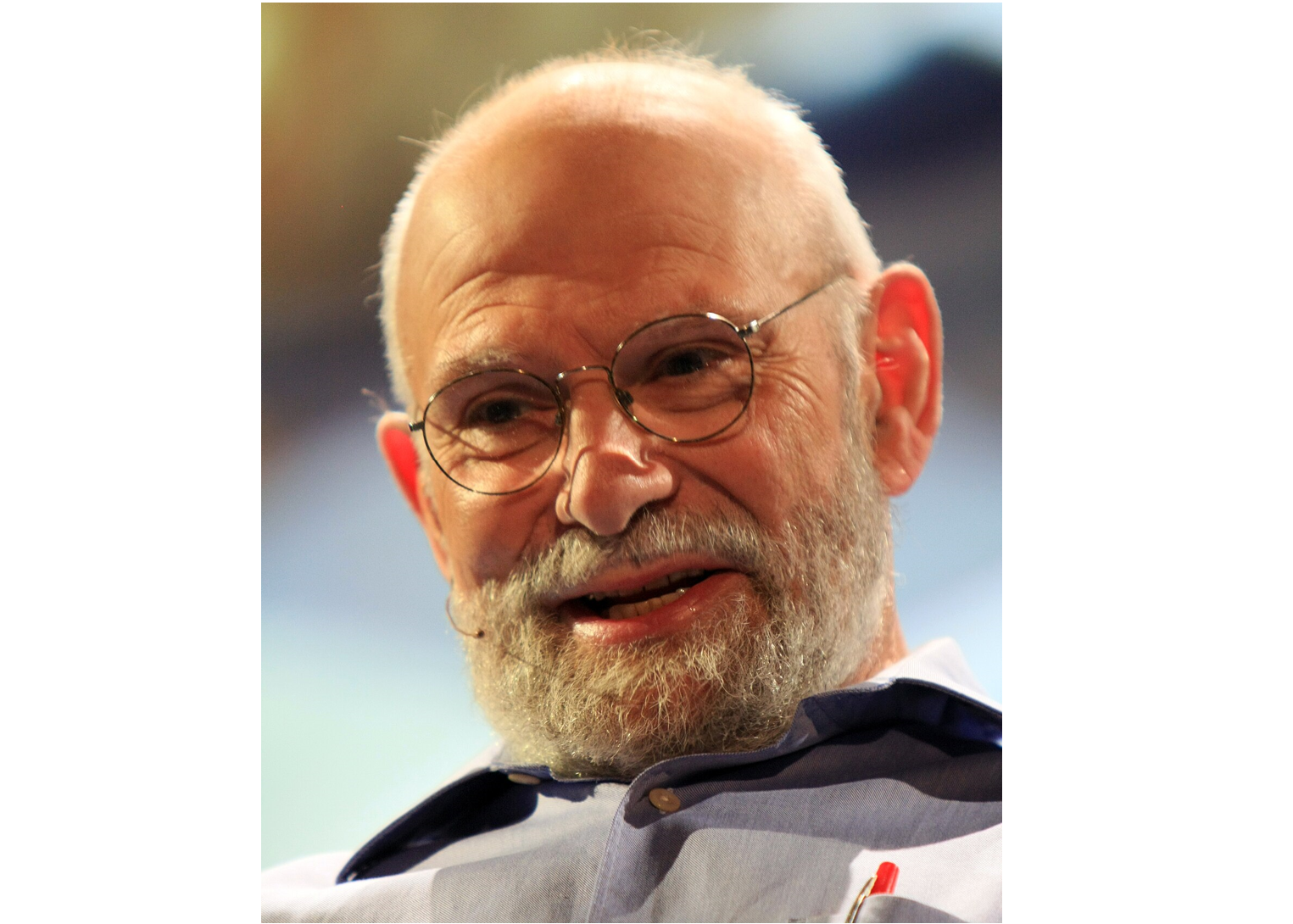
Music’s effect on the brain fascinated neurologist Oliver Sacks, MD. His research led him to helping people with Alzheimer’s. Watch this best-selling author share how dementia, without exception, responds to music.

Mad Cow Disease spreads vCJD dementia. In this key study, a non-invasive urine sample test picked it up. Find out how this may stop vCJD in its tracks.

See how The Virtual Forest Project lifts people with dementia.

Three important dementia studies focus on HS-AGING, a type of dementia almost as common as Alzheimer’s in the 85+ group. Yet few people have heard of it. Why? What makes it different?
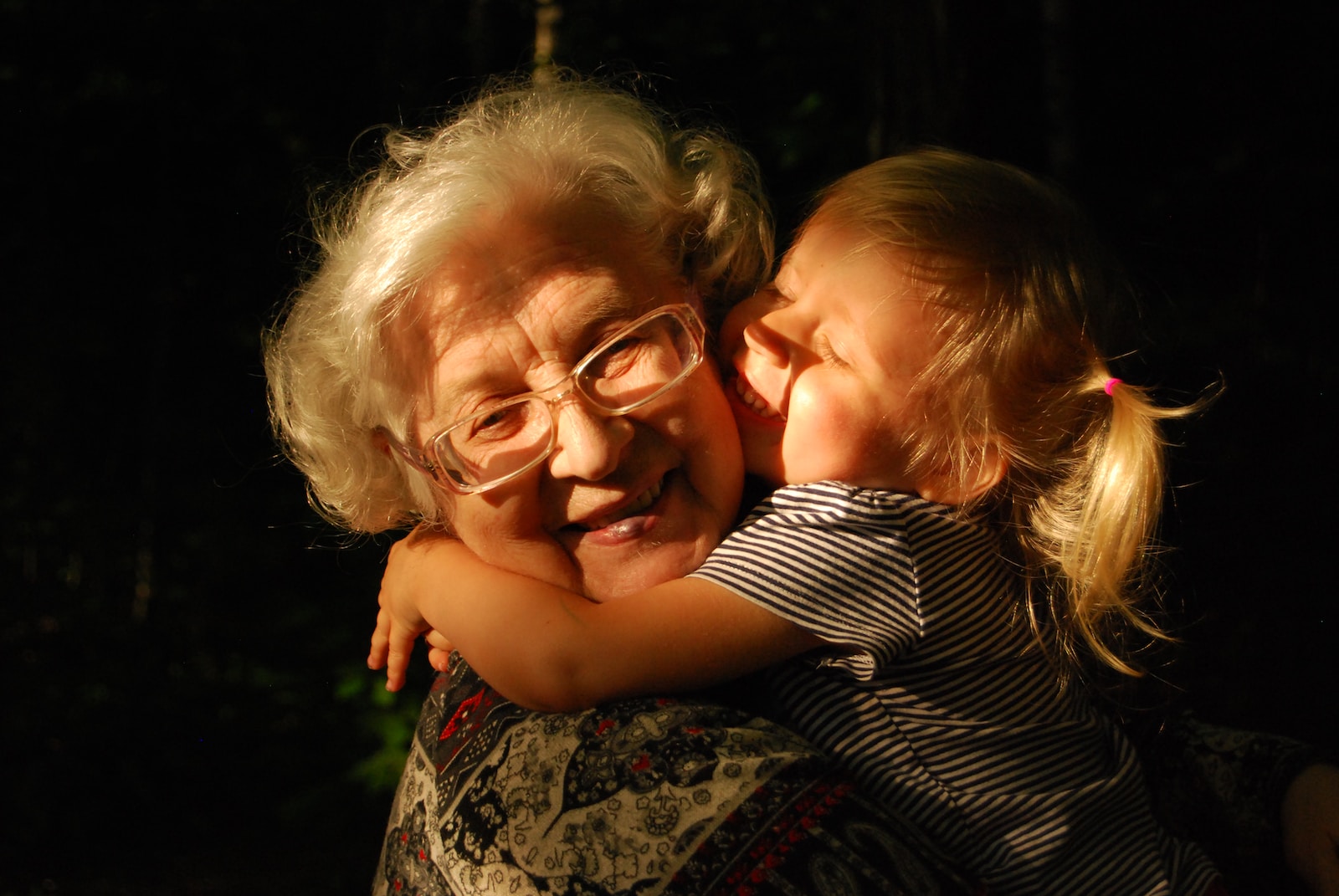
An intriguing study of 120 grandmothers might surprise you. Doctors know socially engaged people have better cognition and less dementia. But can a person get too much of a good thing? What’s the right balance?

Enjoy this great duet between a musician with dementia and his son. A triumph of spirit over Alzheimer’s! Sing-a-long if you like!

It looks like a sneeze cannot give anyone Alzheimer’s. While Alzheimer’s abnormal disease proteins do spread from cell-to-cell, they are not “infectious”. Check out the facts.