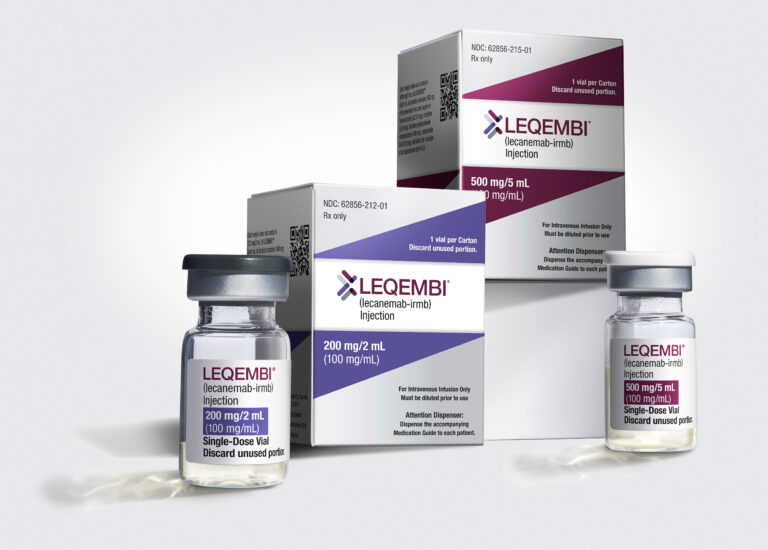
Alzheimer’s Drug Leqembi Gets Full FDA and MEDICARE Approval
First drug to modestly slow Alzheimer’s cognitive decline, based on 1,800 patients.
First drug to modestly slow Alzheimer’s cognitive decline, based on 1,800 patients.

What to ask and expect when going for a memory, Alzheimer’s or dementia diagnosis.

WHEN DIAGNOSING DEMENTIA, NEUROLOGISTS KNOW that nothing is as important as spending time face-to-face. Understanding symptoms and clinical clues in exams are the critical aspects of neurology. Learn how America’s healthcare system holds up to this standard.

Alzheimer’s can cause difficulty falling asleep, staying asleep and awakening too early. These often lead to nighttime confusion and wandering. Doctors think they know why.
Beta-amyloid and tau proteins have long been considered the culprits behind Alzheimer’s. Yet many people have plenty of amyloid and tau protein, but no Alzheimer’s. Is TDP-43 the reason why?

There are myriad technologies that can be helpful in making life easier for people with dementia. Learn more.

85-year-old Betty Wallwork was diagnosed with Alzheimer’s. But it wasn’t true. Find out why.

Until now, scientists were unsure about how APOE4 creates the strongest genetic risk factor in Alzheimer’s. Now they believe they know.

Researchers say reading, writing letters, doing puzzles or playing card games in later life could delay the onset of Alzheimer’s by as much as five years.
The FDA Advisory Committee’s endorsement of Leqembi paves way for traditional approval, ushers in a new era for Alzheimer’s
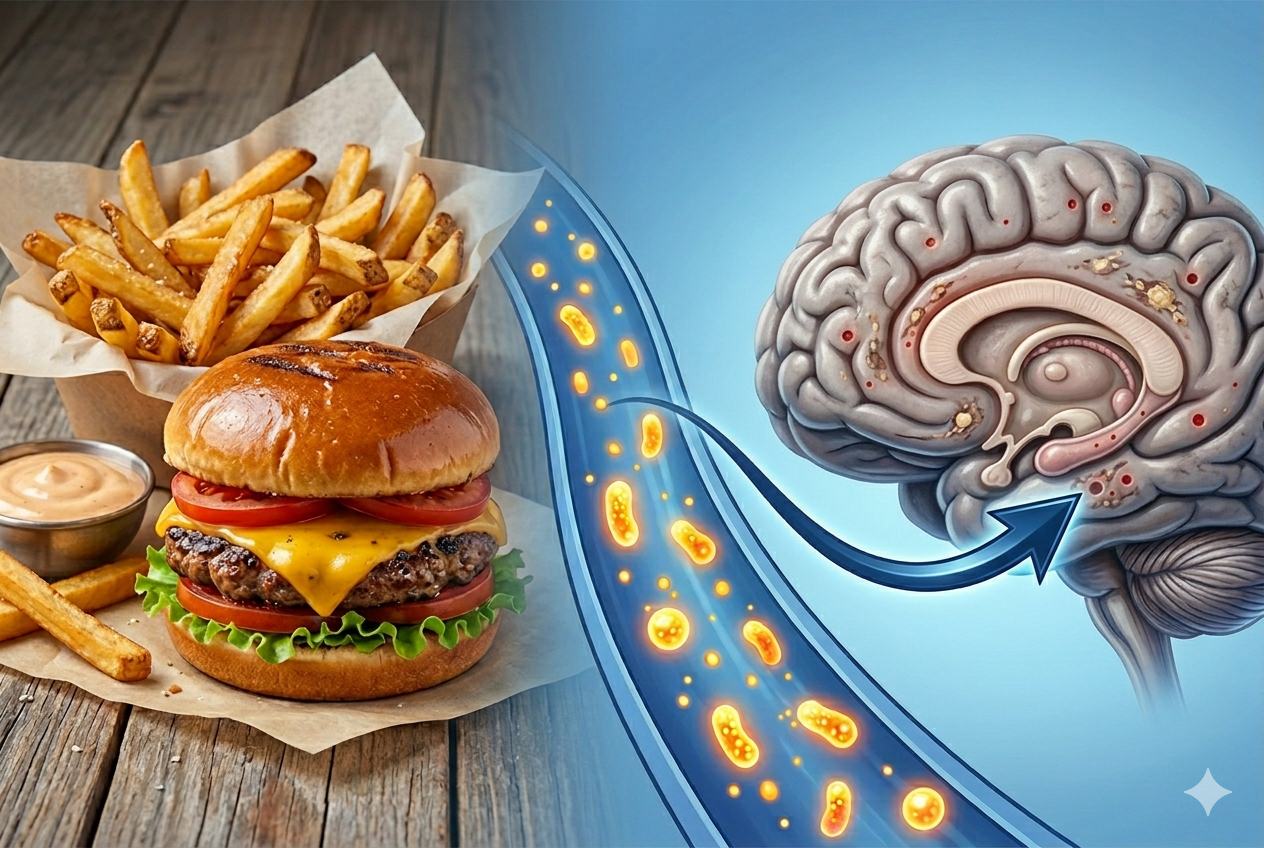
After fatty meals, certain toxins spike in the bloodstream—and have been found inside the amyloid plaques that drive Alzheimer’s. Learn how to eat better.

Melvyn Amrine may not have remembered the details of his life since his Alzheimer’s diagnosis, but he sure proved that his love for his wife transcended memory.
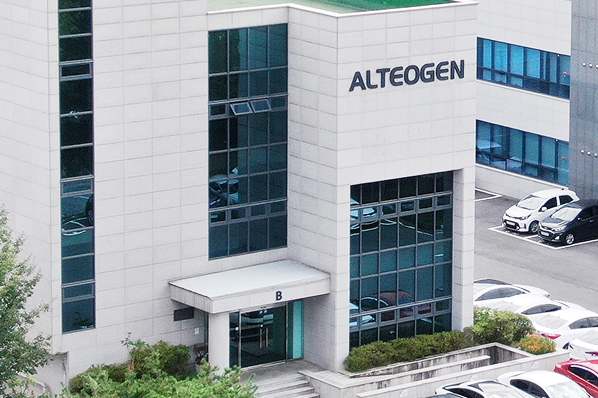
Could Leqembi be given faster and more easily in the future? The new Biogen–Alteogen deal suggests it’s possible—but it doesn’t confirm changes to Leqembi. Here’s what professionals and families should understand.

Three important dementia studies focus on HS-AGING, a type of dementia almost as common as Alzheimer’s in the 85+ group. Yet few people have heard of it. Why? What makes it different?
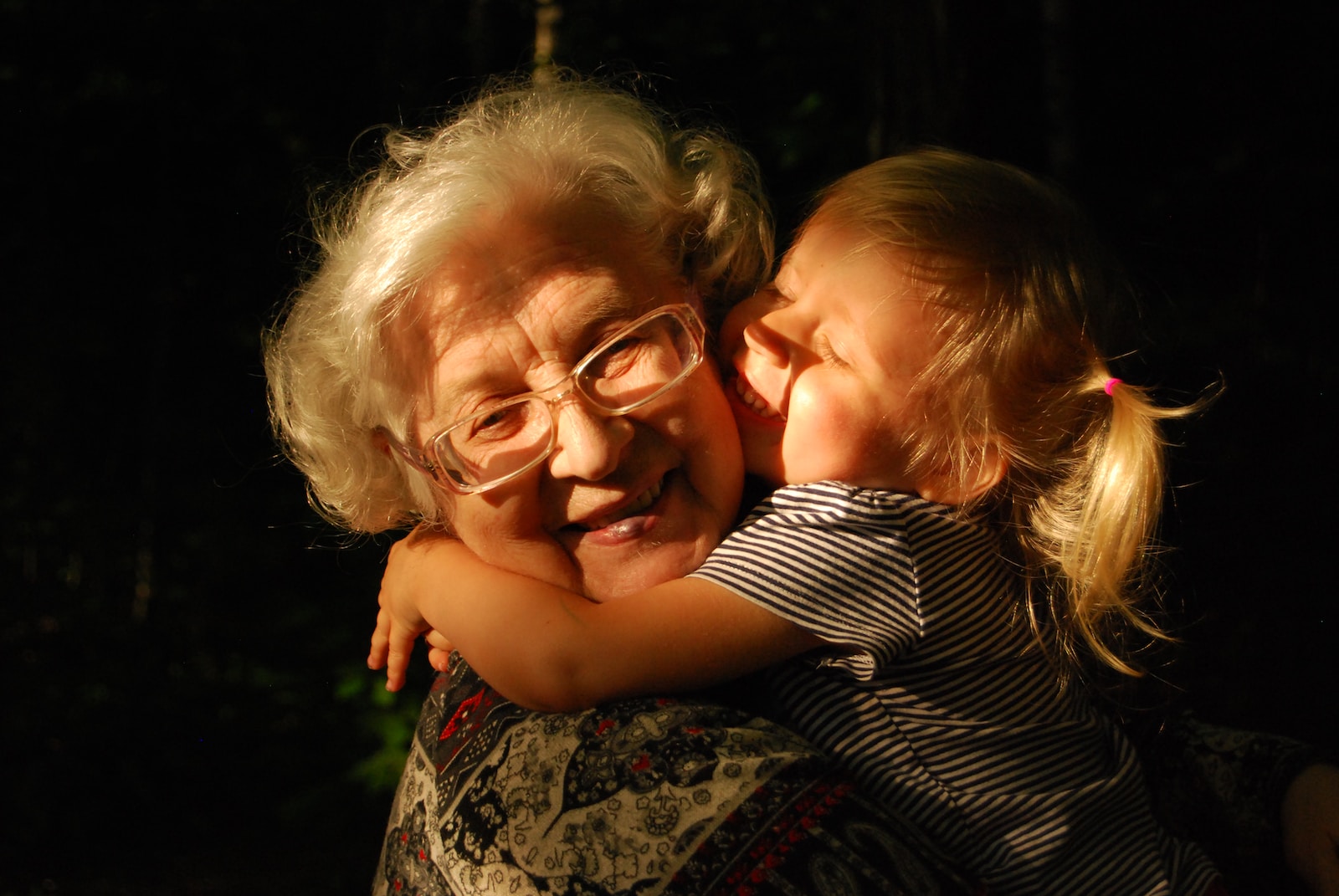
An intriguing study of 120 grandmothers might surprise you. Doctors know socially engaged people have better cognition and less dementia. But can a person get too much of a good thing? What’s the right balance?

Enjoy this great duet between a musician with dementia and his son. A triumph of spirit over Alzheimer’s! Sing-a-long if you like!

It looks like a sneeze cannot give anyone Alzheimer’s. While Alzheimer’s abnormal disease proteins do spread from cell-to-cell, they are not “infectious”. Check out the facts.