Thought of the Week: More Cherished
No one is more cherished in this world than Someone who lightens the burden of another.
No one is more cherished in this world than Someone who lightens the burden of another.
80% fewer skin-cancer patients get Alzheimer’s. Why? Is it the medicines they take, their genes, or are they more prone to sunshine, activity or healthier eating?

In the lab, the Ketogenic Diet increased cerebral blood flow, improved the gut microbiome, lowered glucose as well as weight, and boosted the brain’s process that clears Alzheimer’s amyloid-beta plaque. Learn more.

A “Dementia Friend” is someone who learns a little more about dementia and then turns that understanding into simple actions that can help people with dementia live well. Get a few “Dementia Friend” tips and see why it matters.

How do doctors “see” dementia? One way is with brain scans called MRI and fMRI. Doctors also use these scans to help see if it is Alzheimer’s, Vascular, Lewy Body or another type of dementia. An MRI offers a photo of the brain. More amazingly, an fMRI (functional MRI) can give a 3-D video of a living brain. Learn how it works.

A fan filmed the last three songs Glen Campbell sang on his final show in Phoenix on February 18th, 2012, after 151 live concerts after his Alzheimer’s diagnosis. Watch now.

SuperAgers, aged 80+, have memories as sharp as persons decades younger. Find out why.

Learn the 5 effective habits shown to reduce Alzheimer’s risk and slow it down.

Dr. Judith London offers easy-to-understand tips, helpful when communicating with people who have Alzheimer’s. See how to brighten their lives alongside the lives of their caregivers, family and friends.

Lewy body dementia receives relatively little attention and few research dollars, and often goes undiagnosed. Learn about a kit to do something about it. Watch Mike Belleville share his long journey of misdiagnosis from Alzheimer’s to Lewy body dementia.

A diet that combines unsaturated fats with nitrite-rich vegetables, such as olive oil and lettuce, can protect you from hypertension and vascular dementia.

Most of the time, it takes a combination of genetics, bad environment and unhealthy lifestyle to trigger Alzheimer’s. However, one gene called apolipoprotein E (APOE) can make a big difference.

A new study suggests that very low sodium intake may be linked to faster memory decline in older adults.

Three important dementia studies focus on HS-AGING, a type of dementia almost as common as Alzheimer’s in the 85+ group. Yet few people have heard of it. Why? What makes it different?
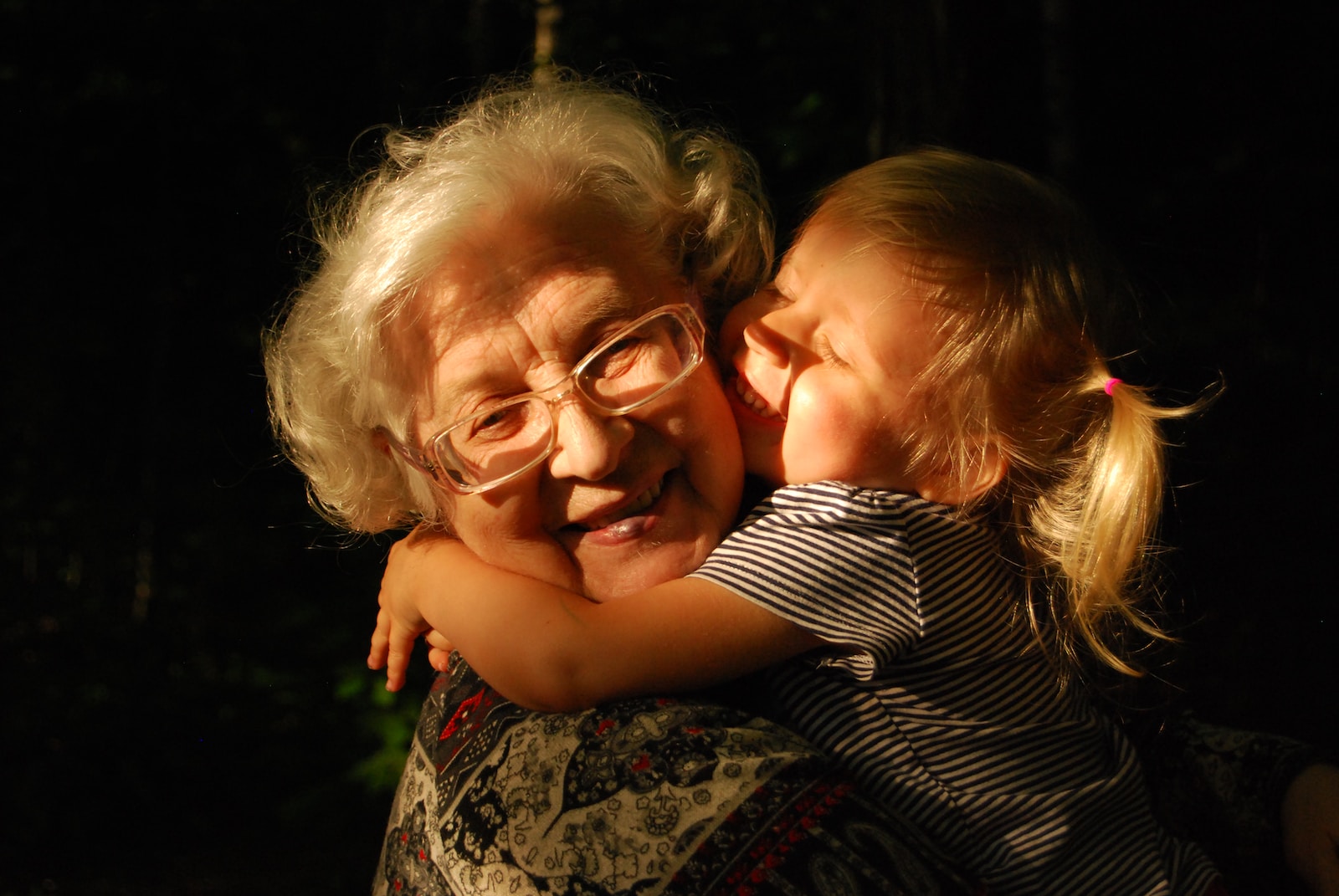
An intriguing study of 120 grandmothers might surprise you. Doctors know socially engaged people have better cognition and less dementia. But can a person get too much of a good thing? What’s the right balance?

Enjoy this great duet between a musician with dementia and his son. A triumph of spirit over Alzheimer’s! Sing-a-long if you like!
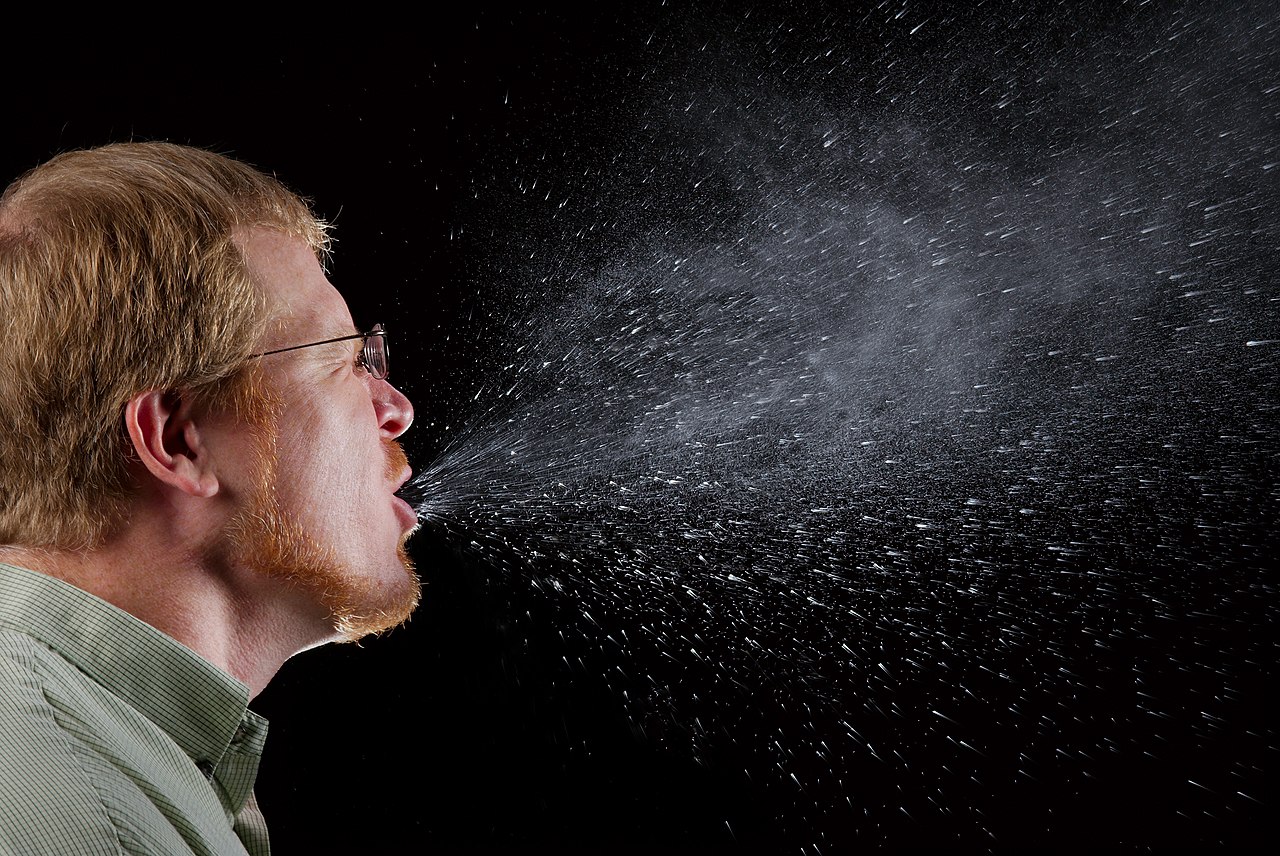
It looks like a sneeze cannot give anyone Alzheimer’s. While Alzheimer’s abnormal disease proteins do spread from cell-to-cell, they are not “infectious”. Check out the facts.