Visiting People with Dementia on Holidays
HOLIDAY TIPS: Celebrating at home or planning a visit? These important dementia-care tips can help make your holiday season the best possible.
HOLIDAY TIPS: Celebrating at home or planning a visit? These important dementia-care tips can help make your holiday season the best possible.

Teepa Snow shows the audience how to approach and communicate with someone who has dementia.

Daylight Savings Time can disrupt the environment and daily routine of people with Alzheimer’s. See how to be proactive when changing the clock.

KEEP YOUR MONEY SAFE – VIDEO & ARTICLE: We’ve all heard stories of crooks taking advantage of people with Alzheimer’s. See how to protect people with dementia from scammers.

Grandma hates taking her medications. With her dementia, she ends up asking 10 different times why she has to take it! What should I do?

Environment, Empathy and Engagement improve sundowning, or sundowners syndrome, in dementia and Alzheimer’s. Explore effective strategies to comfort and support your loved ones symptoms.

BOOK OF THE WEEK – VIDEO: “I’m Still Here” shows Dr. John Zeisel’s highly effective non-drug Alzheimer’s treatments . Therapy starts with the Arts, expanding to a spectrum of activities. See it break through the barriers of Alzheimer’s.

During our dementia journey, I made lots of mistakes. I learned many lessons including these 14. Perhaps they can help you.

Caring at home for Alzheimer’s or dementia? Comfort Keepers partnered with Dr. Alexis Abramson, Emmy Award-Winning Journalist and Gerontologist. See 10 tips to enhance each day.

Communicating a person’s stage of dementia helps everyone give better care. Expert Teepa Snow uses gems to visualize those stages and emphasize the abilities patients still have. Learn this powerful tool.

See Harvard Alzheimer’s expert Dr. Rudy Tanzi and Deepak Chopra explore cutting edge research and insights on sleep’s capacity to prevent Alzheimer’s.

INFO + CHECKLISTS: Dementia demands preparation. When bad weather strikes, be ready. This post includes checklists to help you prepare, tips on how to ride it out, plus ways to get back on your feet in the aftermath.

LAW & MONEY: Get ahead of the legal & financial challenges of Alzheimer’s. This Fact Sheet is a great place to start.

Three important dementia studies focus on HS-AGING, a type of dementia almost as common as Alzheimer’s in the 85+ group. Yet few people have heard of it. Why? What makes it different?
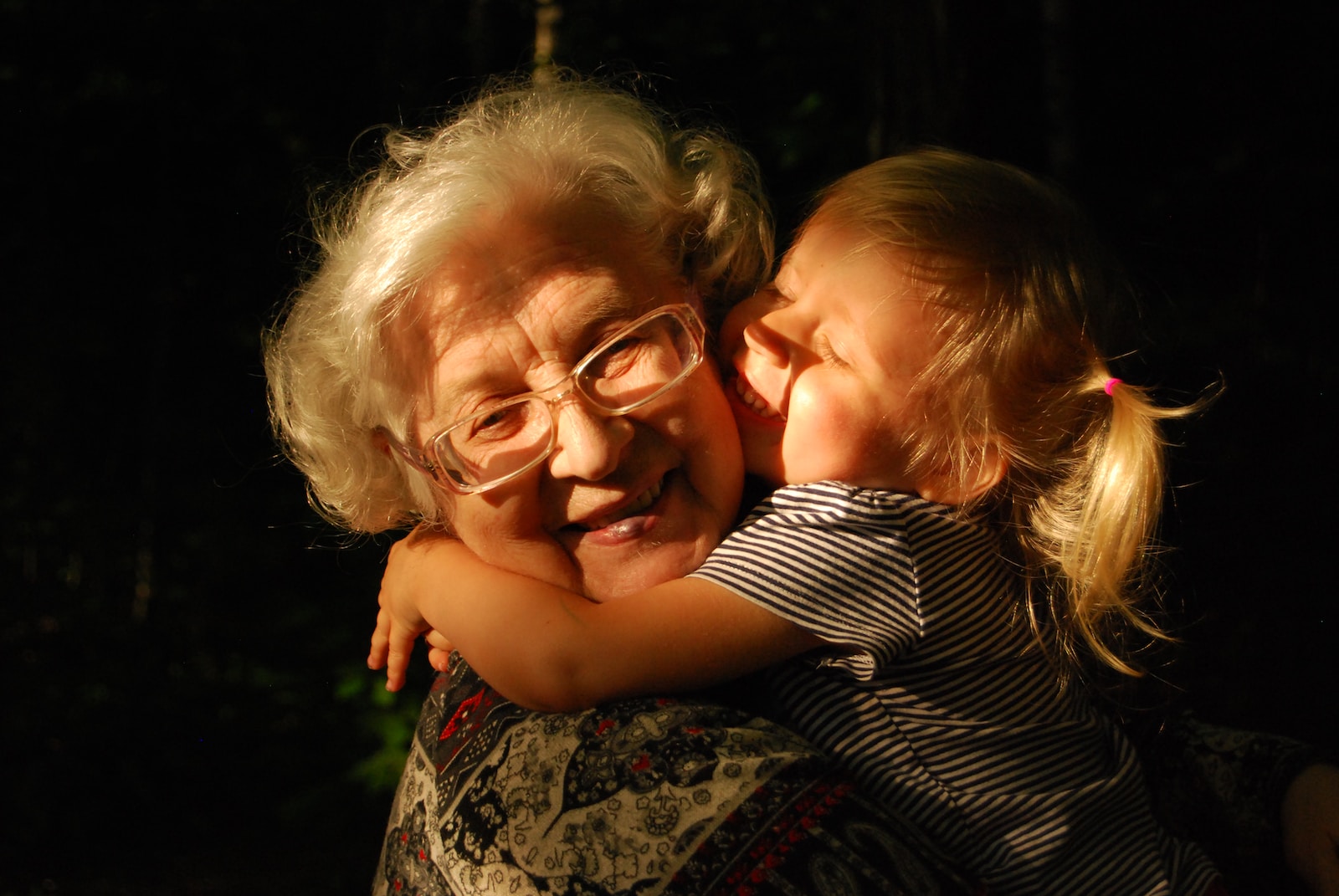
An intriguing study of 120 grandmothers might surprise you. Doctors know socially engaged people have better cognition and less dementia. But can a person get too much of a good thing? What’s the right balance?

Enjoy this great duet between a musician with dementia and his son. A triumph of spirit over Alzheimer’s! Sing-a-long if you like!

It looks like a sneeze cannot give anyone Alzheimer’s. While Alzheimer’s abnormal disease proteins do spread from cell-to-cell, they are not “infectious”. Check out the facts.