
How to Approach Residents with Dementia
Teepa Snow is the best of all the recognized experts on how to work with dementia patients. See her demonstrate how to engage people in early and mid-stage Alzheimer’s.
Teepa Snow is the best of all the recognized experts on how to work with dementia patients. See her demonstrate how to engage people in early and mid-stage Alzheimer’s.
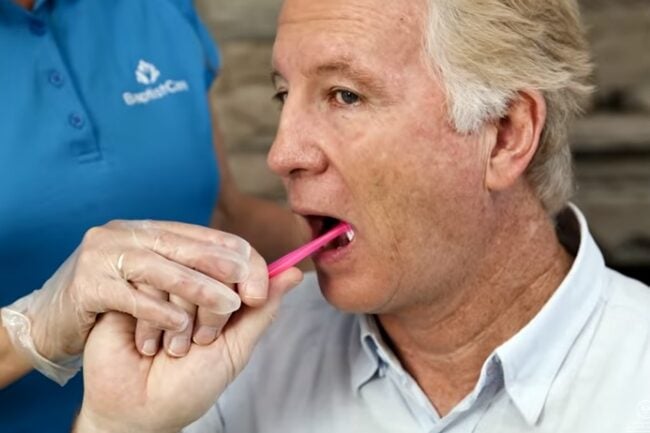
Tooth brushing in dementia can involve a number of tricky details. Anticipating needs is all it takes to make it easy to brush teeth. See dozens of tips to help people with dementia keep their mouth, breath and teeth clean and fresh.

This isn’t any ordinary garden! It’s home to a very special group of people living well with Alzheimer’s.
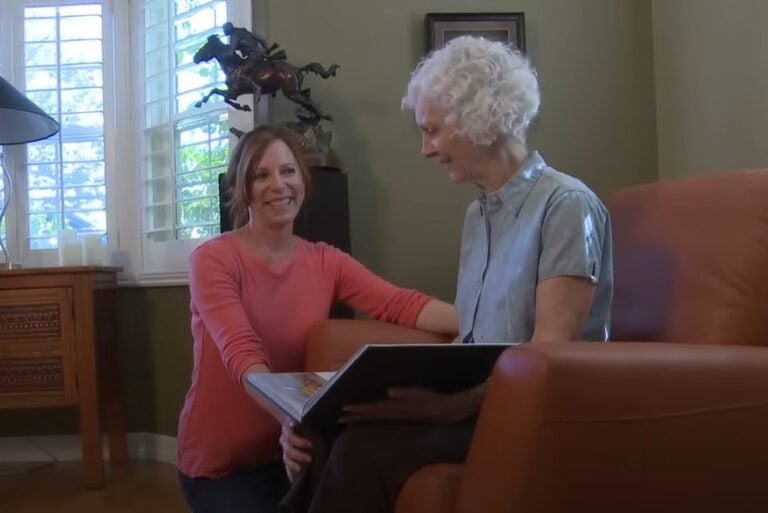
Refusal to bathe is common in people with dementia. Here are a dozen simple techniques to make bathing easier.
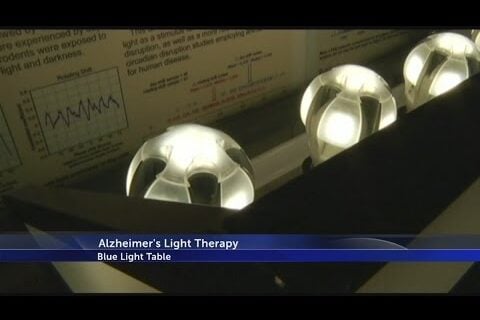
Lighting affects how people feel. The right light reduces agitation and improves mood in people with dementia.
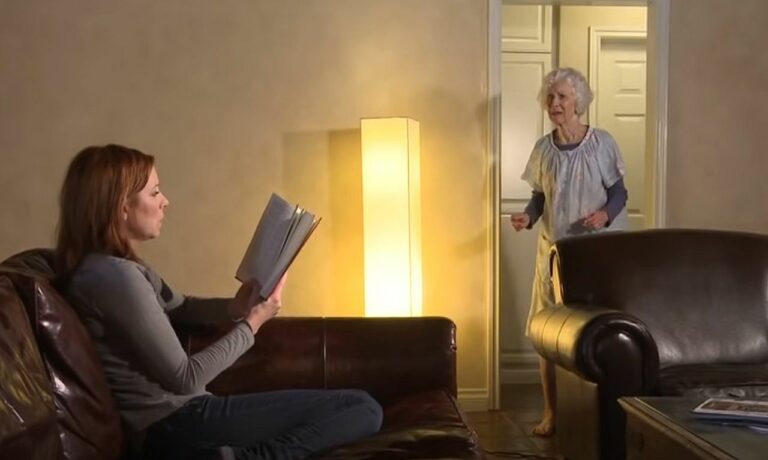
A person with dementia can experience hallucinations when the regions of the brain responsible for interpreting sights and sounds are affected. Here are ways to deal with it.

Teresa Youngstrom is a registered nurse. She offers a quick tip for caregivers, friends and family when visiting or living with someone with dementia to help smooth the way. Watch now.
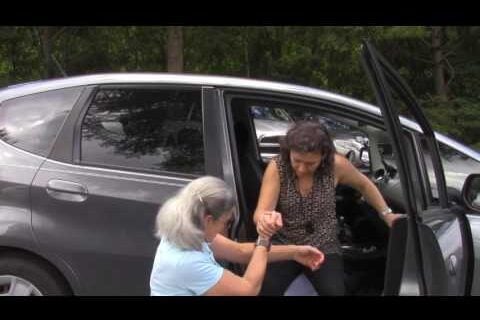
Getting in and out of a car’s passenger seat may not be simple, once dementia sets in. Learn the skills needed.

“Sundowning” describes agitation and anxiety often felt towards the end of the day in dementia. See what it is and what you can do about it.

TEEPA CARE-TIP VIDEO:
Dementia dangerously alters a person’s sense of smell. Teepa Snow brings to light what people with dementia smell – and what they don’t. Learn to prevent hazards and frustrations.

VIDEO: Vascular neglect triggers Alzheimer’s decades before symptoms appear. See how to use that knowledge to lower risk and slow its advance.

Twenty percent of people over 65 have mild memory and thinking problems that don’t interfere with day-to-day life. Doctors call this MCI, short for Mild Cognitive Impairment. Find out more about what it is and what to do about it.

FREE DOWNLOAD: This booklet is rich with care practices based on research by highly-credentialed investigators.

Three important dementia studies focus on HS-AGING, a type of dementia almost as common as Alzheimer’s in the 85+ group. Yet few people have heard of it. Why? What makes it different?
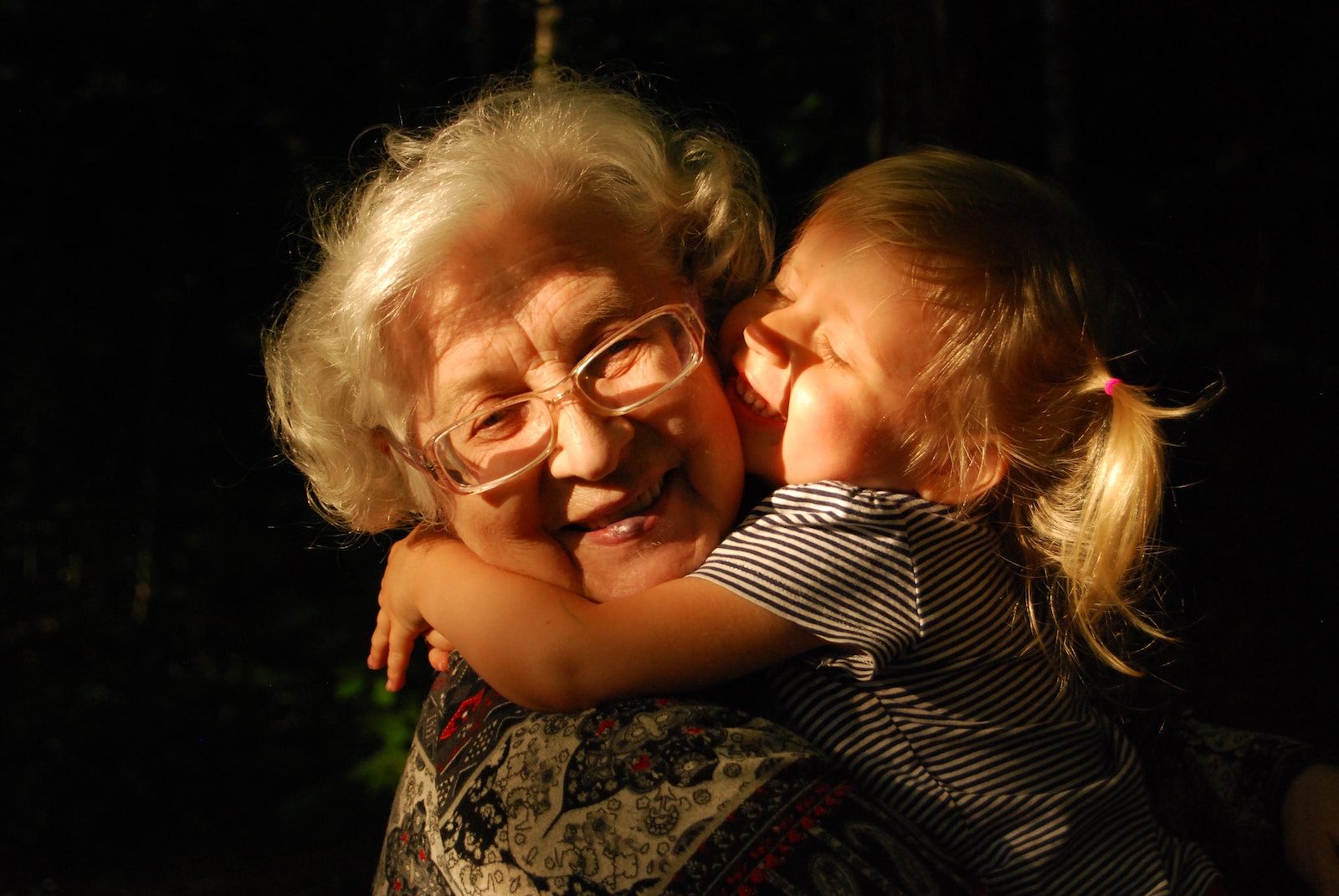
An intriguing study of 120 grandmothers might surprise you. Doctors know socially engaged people have better cognition and less dementia. But can a person get too much of a good thing? What’s the right balance?

Enjoy this great duet between a musician with dementia and his son. A triumph of spirit over Alzheimer’s! Sing-a-long if you like!

It looks like a sneeze cannot give anyone Alzheimer’s. While Alzheimer’s abnormal disease proteins do spread from cell-to-cell, they are not “infectious”. Check out the facts.