You Will Always Be My Girls
MUSIC VIDEO: Super Bowl Champ Ben Utecht got CTE Dementia at the age of 29. See his song and read how he asks Congress to tackle dementia.
MUSIC VIDEO: Super Bowl Champ Ben Utecht got CTE Dementia at the age of 29. See his song and read how he asks Congress to tackle dementia.

AS PROFESSIONAL sports teams battle concussion-dementia lawsuits, research confirms damage to the brain can persist decades after head trauma. Learn why and what to do.

Three important dementia studies focus on HS-AGING, a type of dementia almost as common as Alzheimer’s in the 85+ group. Yet few people have heard of it. Why? What makes it different?

A new Harvard study of 2,000 former NFL players shows one-third believe they have chronic traumatic encephalopathy (CTE), a neuropathological condition linked to repeated head trauma.

LOOKING BACK: Are concussions a given part of playing hard? Watch football legend Tony Dorsett and his wife share their story.
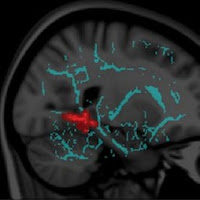
Brain patterns in concussions are similar to patterns seen in Alzheimer’s. Why? The initial traumatic event that caused the concussion may trigger a sequence of degenerative changes in the brain.
With 1.7 million annual concussions in the U.S., learn more about these relevant findings.

NFL researchers find that football players may end up with dementias such as CTE and Alzheimer’s NINETEEN TIMES more often than normal. Watch and learn more.

CONCUSSIONS & DEMENTIA – TED VIDEO: CTE Dementia (Chronic Traumatic Encephalopathy) is a dementia-mystery that Chris Nowinski is solving. See his ground-breaking effort to protect

DIAGNOSIS ARTICLE + VIDEO: The family of major league soccer player Scott Vermillion is speaking out about his posthumous diagnosis of CTE Dementia (chronic traumatic
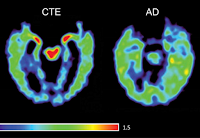
DIAGNOSIS NEWS: CTE dementia can now be diagnosed with certainty. (CTE [Chronic Traumatic Encephalopathy] is caused by blows to the head.) This differs from the

ARTICLE + VIDEO INFOMMERCIAL: Namazaric for dementia comes in a convenient, extended-release capsule. It conveniently combines today’s 2 most popular drugs for Alzheimer’s. Learn about easy-to-manage Namazaric.

DIET: Add nuts to your meals to eat better and fight dementia. Discover three great ways nuts help your brain-boosting diet.

Dementia’s cholinesterase inhibitors can affect trips to the bathroom, according to researchers in Houston, Texas. Learn more if you take donepezil, rivastigmine or galantamine. (Brand names Adlarity, Aricept, Ebixa, Exelon, Namzaric, Razadyne)

Three important dementia studies focus on HS-AGING, a type of dementia almost as common as Alzheimer’s in the 85+ group. Yet few people have heard of it. Why? What makes it different?
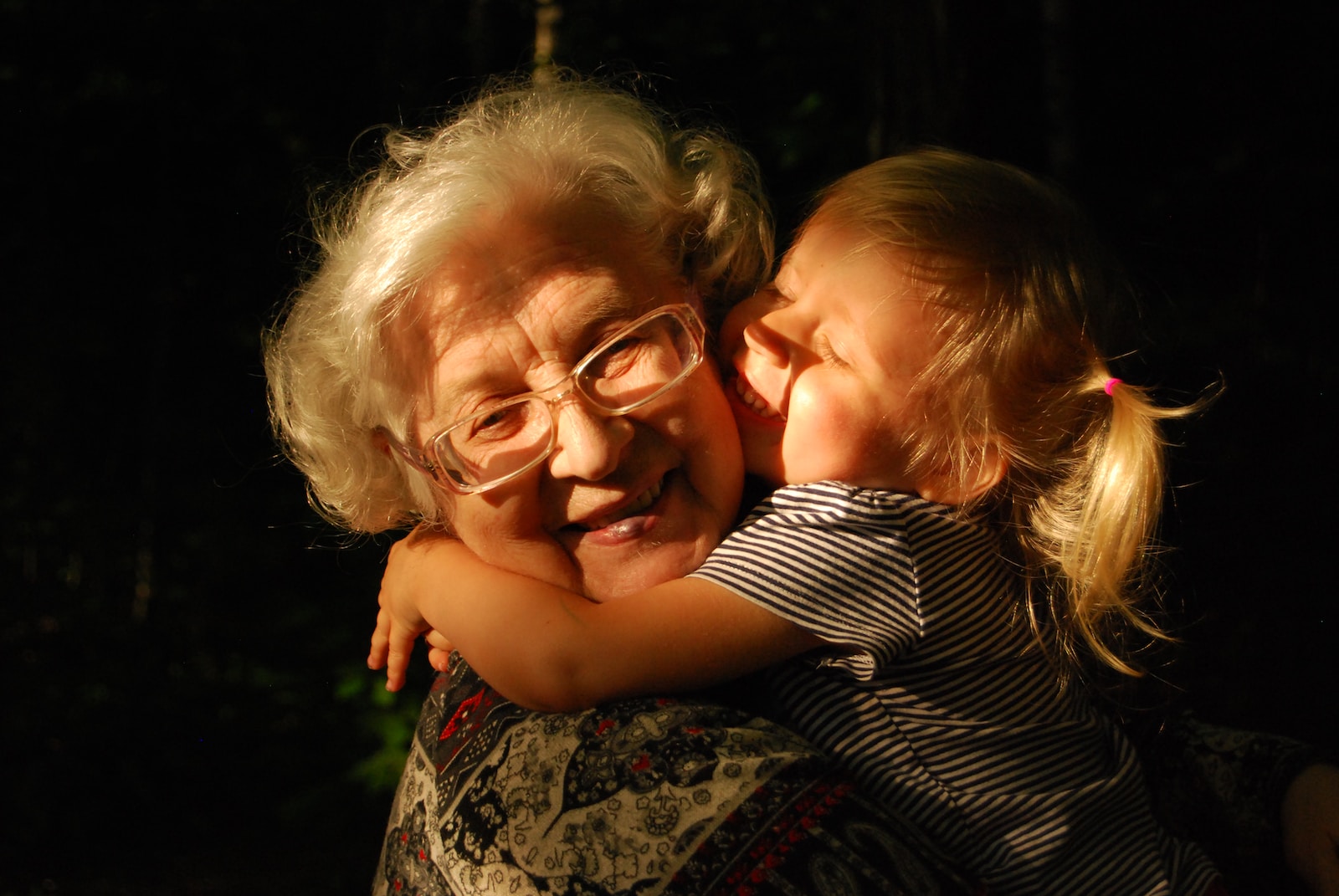
An intriguing study of 120 grandmothers might surprise you. Doctors know socially engaged people have better cognition and less dementia. But can a person get too much of a good thing? What’s the right balance?

Enjoy this great duet between a musician with dementia and his son. A triumph of spirit over Alzheimer’s! Sing-a-long if you like!
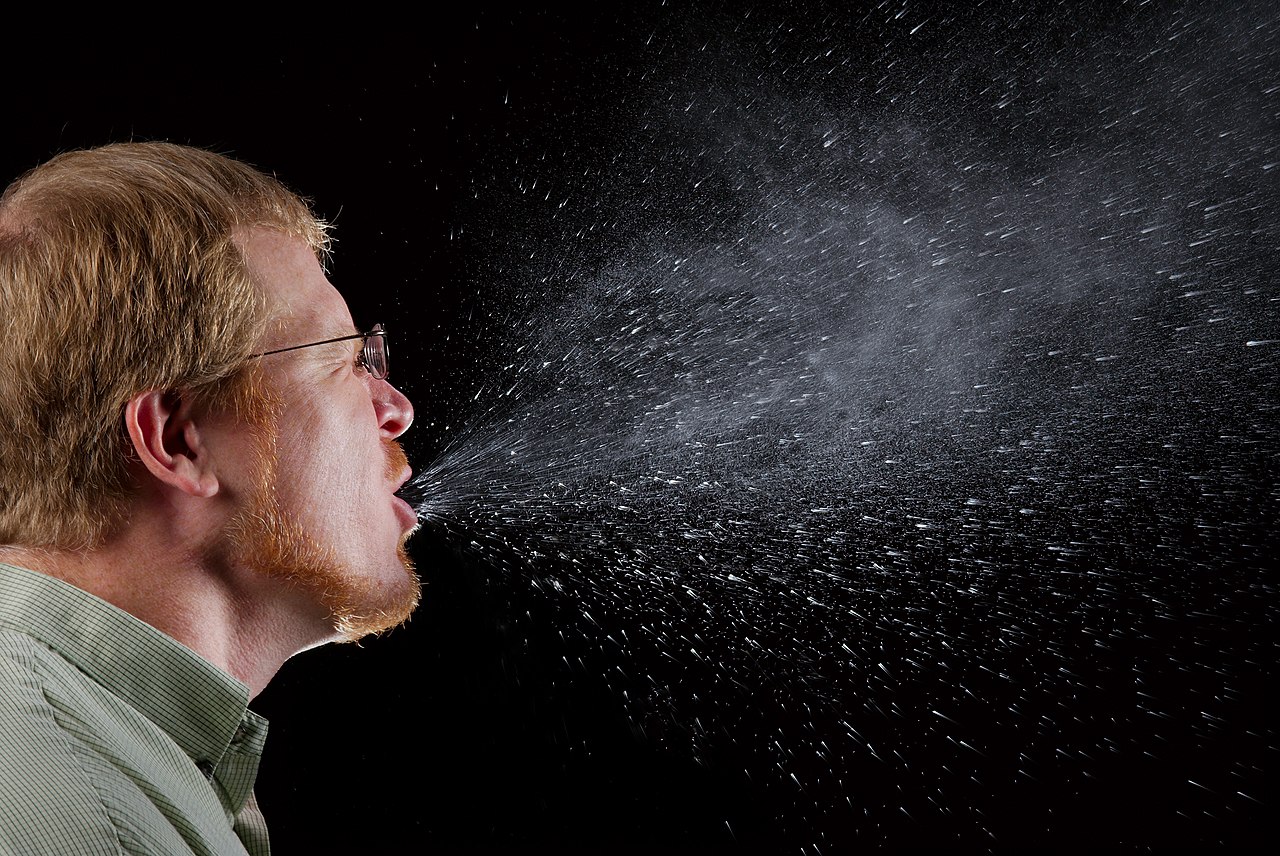
It looks like a sneeze cannot give anyone Alzheimer’s. While Alzheimer’s abnormal disease proteins do spread from cell-to-cell, they are not “infectious”. Check out the facts.