Worried About Alzheimer’s? Virtual Memory Screenings Are Free.
The Alzheimer’s Foundation of America is offering virtual memory screenings through its National Memory Screening Program, free. It’s easy to get one.
The Alzheimer’s Foundation of America is offering virtual memory screenings through its National Memory Screening Program, free. It’s easy to get one.

Learn the difference between mild forgetfulness from normal aging, versus a more severe memory problem signaling a potentially serious condition. (Videos In English & Spanish)

Research shows that a blood test now on the market accurately identifies brain amyloid status with a single blood sample. In other words, this blood test can diagnose Alzheimer’s.

When a doctor says a person has dementia, what does that mean? What do you do, say and ask?

A fascinating study in Europe finds that individuals who felt they had memory problems did in fact have measurable cognitive deficits. Scientists analyzed the spinal fluid to measure the levels of biomarkers associated with Alzheimer’s.

Memory failing? New research shows you may need help, but not for dementia. Memory slips, stress and fatigue are growing in people with healthy memory.
People may not have easy access to sophisticated, expensive dementia tests. A simple test from Einstein Medicine uses a stopwatch and a few questions to determine one’s risk of dementia. The potential payoff could be tremendous for individuals, their families and society.

People worry about becoming forgetful. Is it the first sign of Alzheimer’s or just the passing years? After all, forgetfulness is a normal part of aging. Check out these quick ways to tell the difference.

A new test that can be completed in less than three minutes enables simple, accurate detection of cognitive impairment and Alzheimer’s in cognitively normal adults, including those with no symptoms of dementia. Find out more.

Alzheimer’s is the most common type of dementia, but it is just one cause. In this short Q & A, watch Stanford Neurologist Dr. Kerchner explain the importance of getting an accurate diagnosis.

Where words fail, music speaks. See how music can be a very powerful vehicle for communication in the various stages of dementia.

VIDEO RECIPE + RESEARCH: Enjoy a brain-boost along with great flavor. This Mediterranean-Diet plate is loaded with neuroprotective turmeric & cumin. With delicious brain-nutrients from coconut or olive oil, the flavor is exotic yet close-to-home!

VIDEO & ARTICLE: 500,000 family and professional caregivers have experienced The Virtual Dementia Tour®. It simulates Alzheimer’s for caregivers. It boosts their level of care and motivation. See how it works.

Three important dementia studies focus on HS-AGING, a type of dementia almost as common as Alzheimer’s in the 85+ group. Yet few people have heard of it. Why? What makes it different?
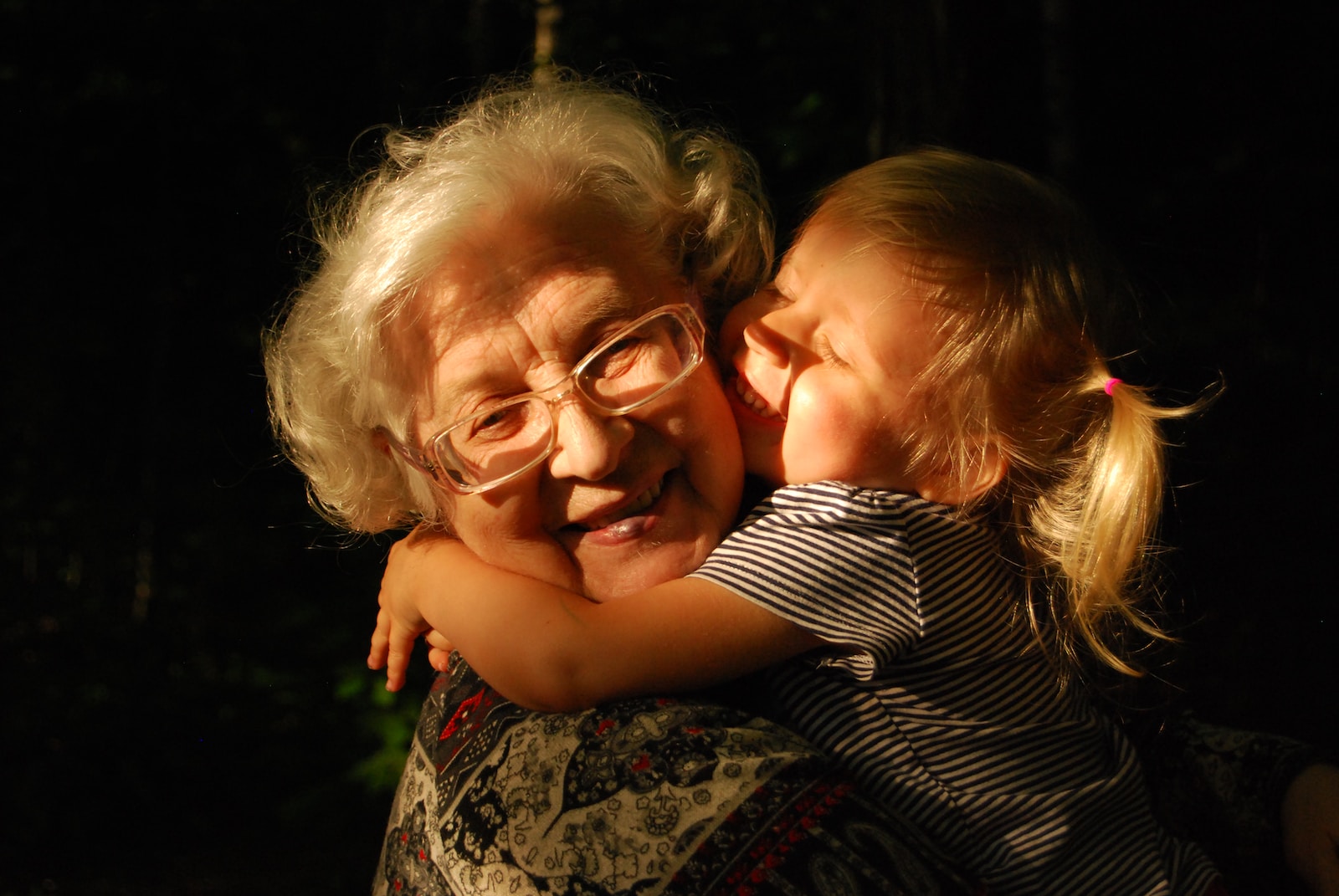
An intriguing study of 120 grandmothers might surprise you. Doctors know socially engaged people have better cognition and less dementia. But can a person get too much of a good thing? What’s the right balance?
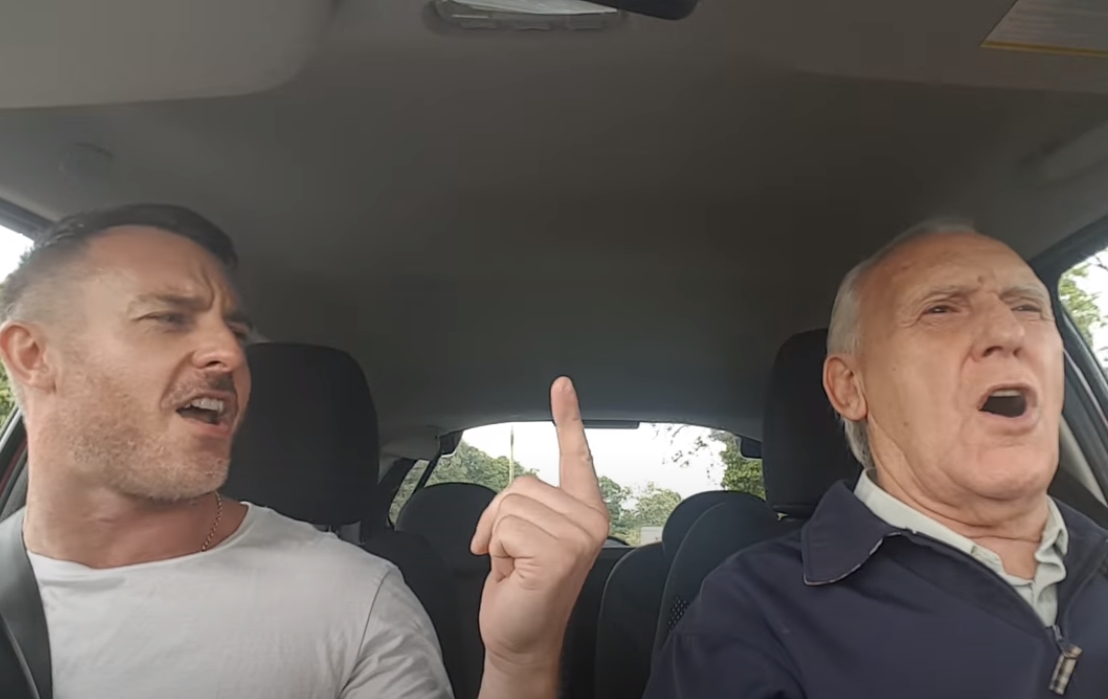
Enjoy this great duet between a musician with dementia and his son. A triumph of spirit over Alzheimer’s! Sing-a-long if you like!

It looks like a sneeze cannot give anyone Alzheimer’s. While Alzheimer’s abnormal disease proteins do spread from cell-to-cell, they are not “infectious”. Check out the facts.