Free Dementia Screening Test (2 Minutes)
WellnessCheck is a brief, friendly assessment, designed to help you understand your current cognitive wellness. It takes about 3 minutes and covers memory, mood, and focus.
WellnessCheck is a brief, friendly assessment, designed to help you understand your current cognitive wellness. It takes about 3 minutes and covers memory, mood, and focus.
To get a definite diagnosis of Alzheimer’s requires an F18 brain scan, costing $3,000. Can the olfactory nerves’ ability to sense peanut butter offer an alternative Alzheimer’s test? It certainly seems accurate enough, at 1/1000th the cost!

A Quest Diagnostics amyloid beta blood test helps determine the Alzheimer’s risk for people with signs of mild cognitive impairment or dementia.
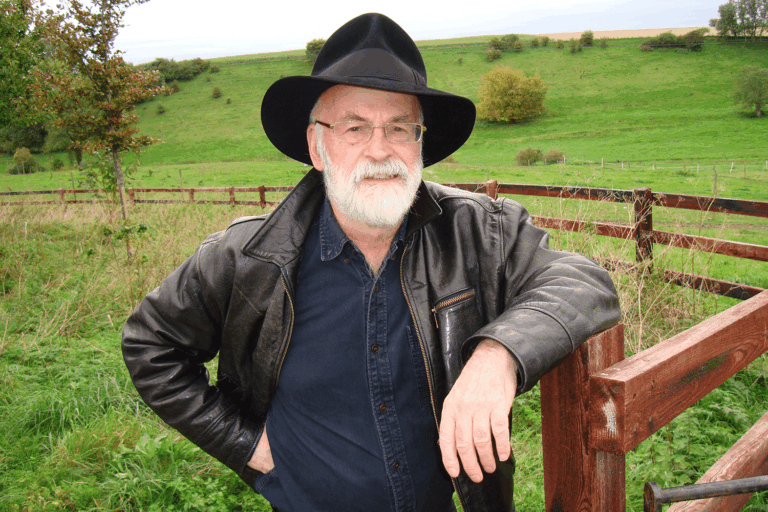
Posterior Cortical Atrophy, or PCA, is a specific form of Alzheimer’s that affects the back of the brain.
Author Terry Pratchett was diagnosed with it.

DIAGNOSIS VIDEO: As we age, we change. Learn to spot changes that are Alzheimer’s warning signs, versus changes that just mean a person is aging nicely.
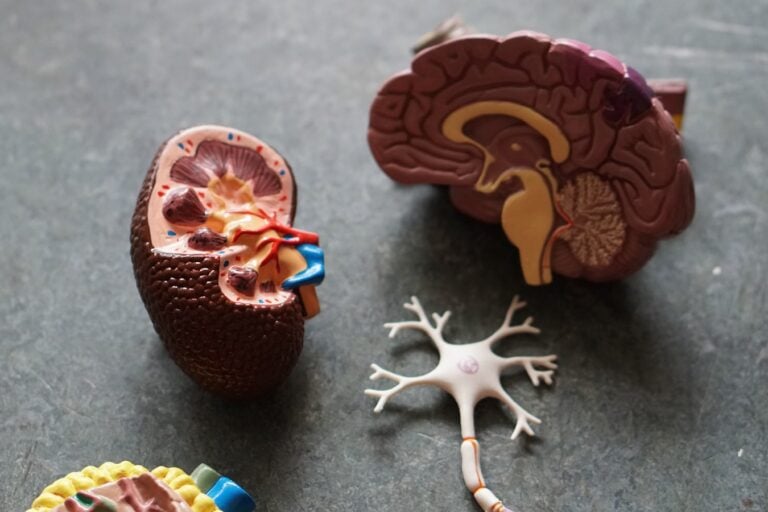
What caregivers should know about interpreting Alzheimer’s biomarkers and kidney function.
Although it is hard to think beyond “today” after a diagnosis of dementia, it’s really important to look ahead. Taking steps to plan for the future will make “tomorrow” smoother.

In November 1994, President Reagan hand-wrote this profound message to America, sharing his Alzheimer’s diagnosis. His words broke stigmas and myths. Watch Nancy Reagan describe that moment. Read his magnificent letter.
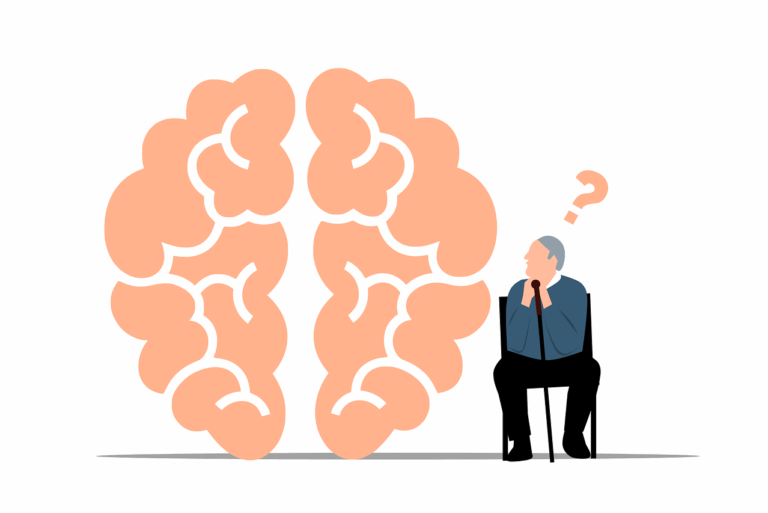
Every dementia journey is unique — but large studies now show clear patterns. Age, type of dementia, and general health all play major roles in how long a person lives after diagnosis.
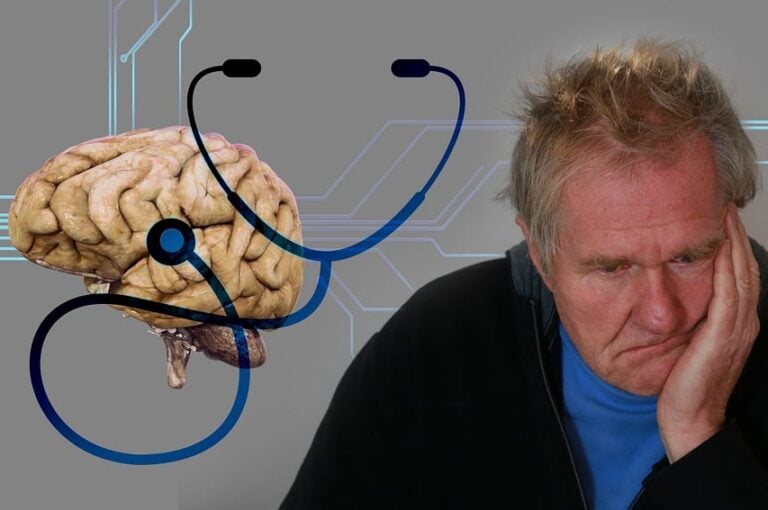
A major study finds up to 13% of people diagnosed with dementia may actually have a treatable liver-brain disorder called hepatic encephalopathy. The discovery could change how doctors and families approach memory loss in older adults.

SEMINAR VIDEO: Watch Dr. Terry Barclay share his passion: To help patients and families thrive – not just survive – when living with Alzheimer’s.

EMERGENCY INFOGRAPH: People with dementia are especially vulnerable in natural disasters and extreme weather. Share this infographic of 6 things you can do to prepare against unexpected conditions.

See Harvard Alzheimer’s expert Dr. Rudy Tanzi and Deepak Chopra explore cutting edge research and insights on sleep’s capacity to prevent Alzheimer’s.

Three important dementia studies focus on HS-AGING, a type of dementia almost as common as Alzheimer’s in the 85+ group. Yet few people have heard of it. Why? What makes it different?
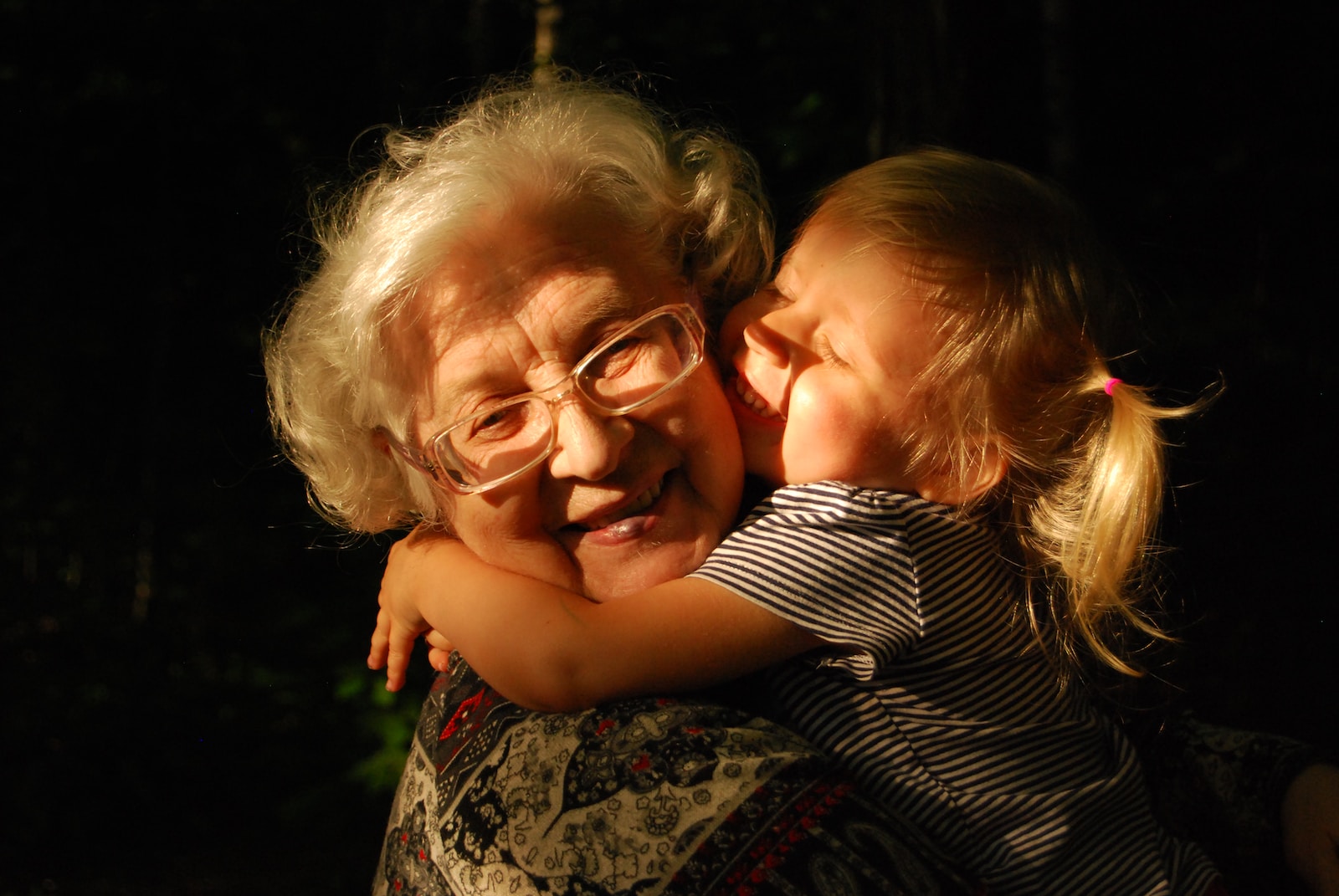
An intriguing study of 120 grandmothers might surprise you. Doctors know socially engaged people have better cognition and less dementia. But can a person get too much of a good thing? What’s the right balance?
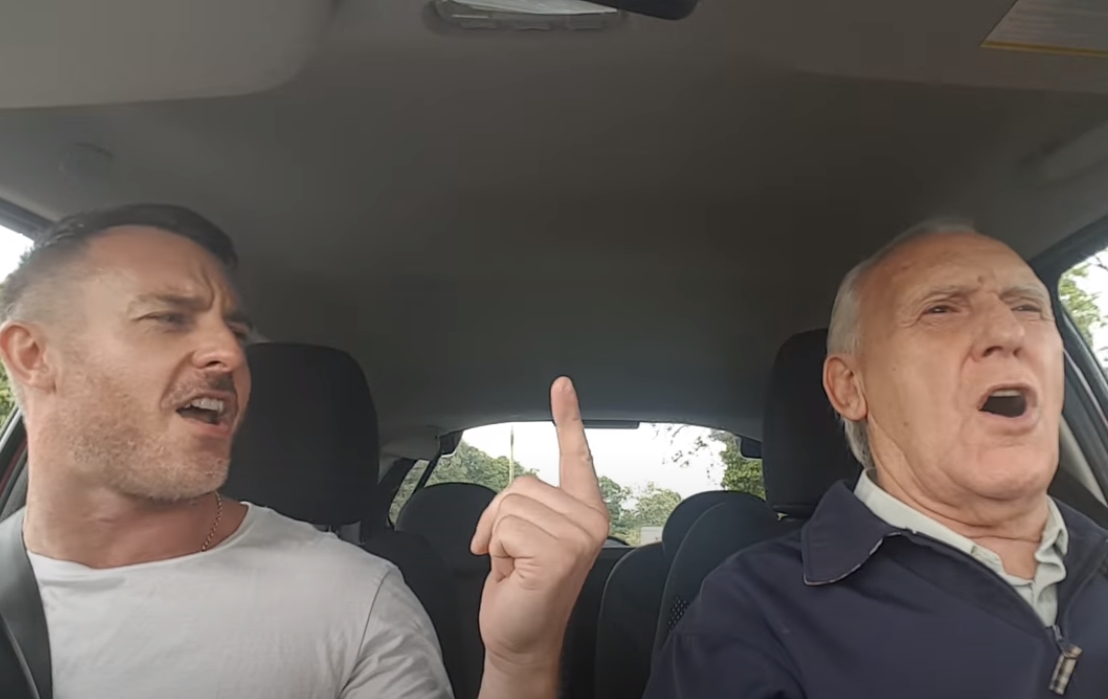
Enjoy this great duet between a musician with dementia and his son. A triumph of spirit over Alzheimer’s! Sing-a-long if you like!
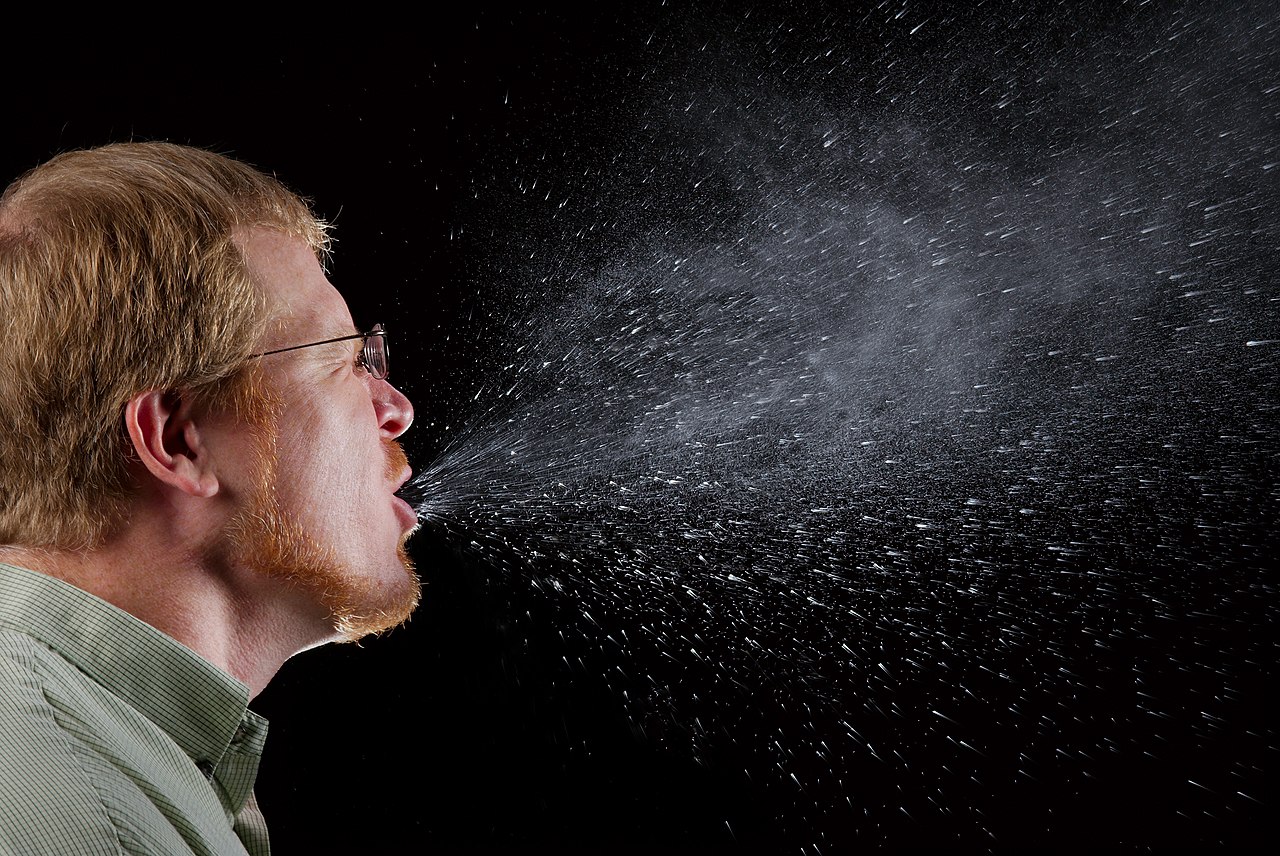
It looks like a sneeze cannot give anyone Alzheimer’s. While Alzheimer’s abnormal disease proteins do spread from cell-to-cell, they are not “infectious”. Check out the facts.