Military Service and Dementia: Understanding the Connection
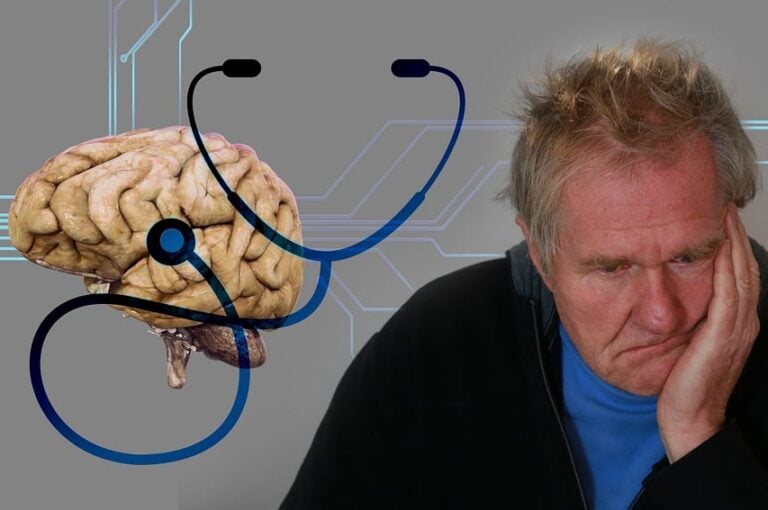
How can military service impact brain health? What are specific risk factors? Are there vital steps soldiers can take towards dementia prevention and treatment?

How can military service impact brain health? What are specific risk factors? Are there vital steps soldiers can take towards dementia prevention and treatment?

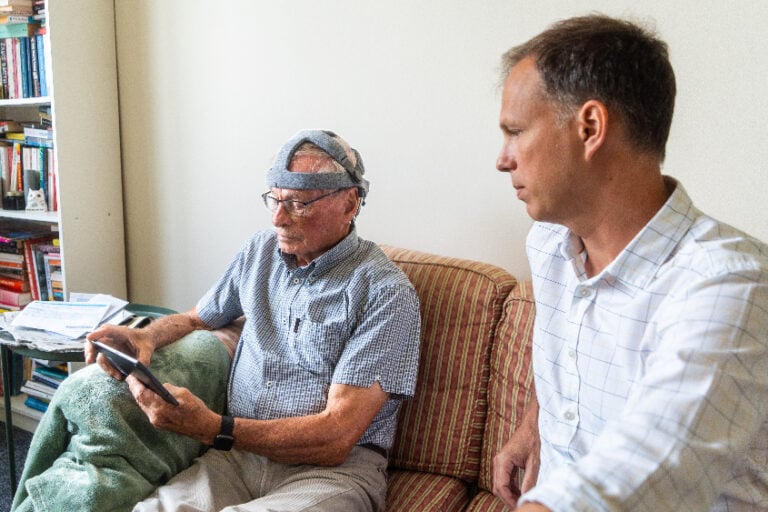
Don Hayen is a retired doctor, diagnosed with Alzheimer’s at 71. But that diagnosis took way too long. Find out how his “cognitive reserve” fooled his doctors. See why he sure wished it hadn’t.

Diagnosing the right dementia type often takes months. It can make a big difference. Mayo Clinic’s AI tool identifies 9 dementia types, including Alzheimer’s, with one scan — a transformative advance in early, accurate diagnosis.

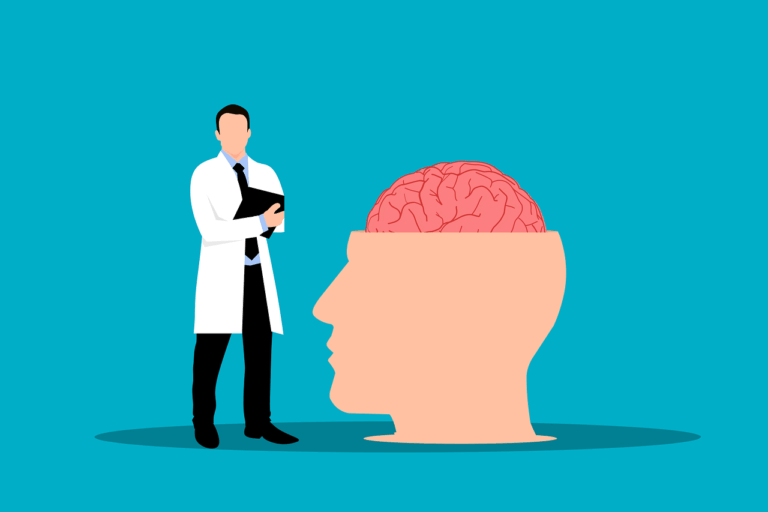
This “Overview for Med Students” sums up 5 common types of dementia: Alzheimer’s, Parkinson’s, Lewy body, vascular and frontotemporal dementia. Watch now.

Caught in a frustrating loop of suspecting dementia in your loved one, only to be denied by doctors? Join me as we explore the untold story behind dementia diagnoses. Don’t miss out on key insights that can change everything!

New Test Provides Less Invasive Option, Reduces Reliance on PET Scans and Increases Diagnosis Accessibility

DOES AGE LEAD to deterioration of brain function, or do older brains just take longer to process ever increasing amounts of knowledge? The latest research may surprise you.

P-tau217 is a blood-based marker for Alzheimer’s. See how it offers a simpler, cheaper way to analyze Alzheimer’s.

Why can vision loss come before memory loss in 10% of Alzheimer’s? A new study shows Posterior Cortical Atrophy (PCA), a type of Alzheimer’s, distributes proteins differently.

Twenty percent of people over 65 have mild memory and thinking problems that don’t interfere with day-to-day life. Doctors call this MCI, short for Mild Cognitive Impairment. Find out more about what it is and what to do about it.

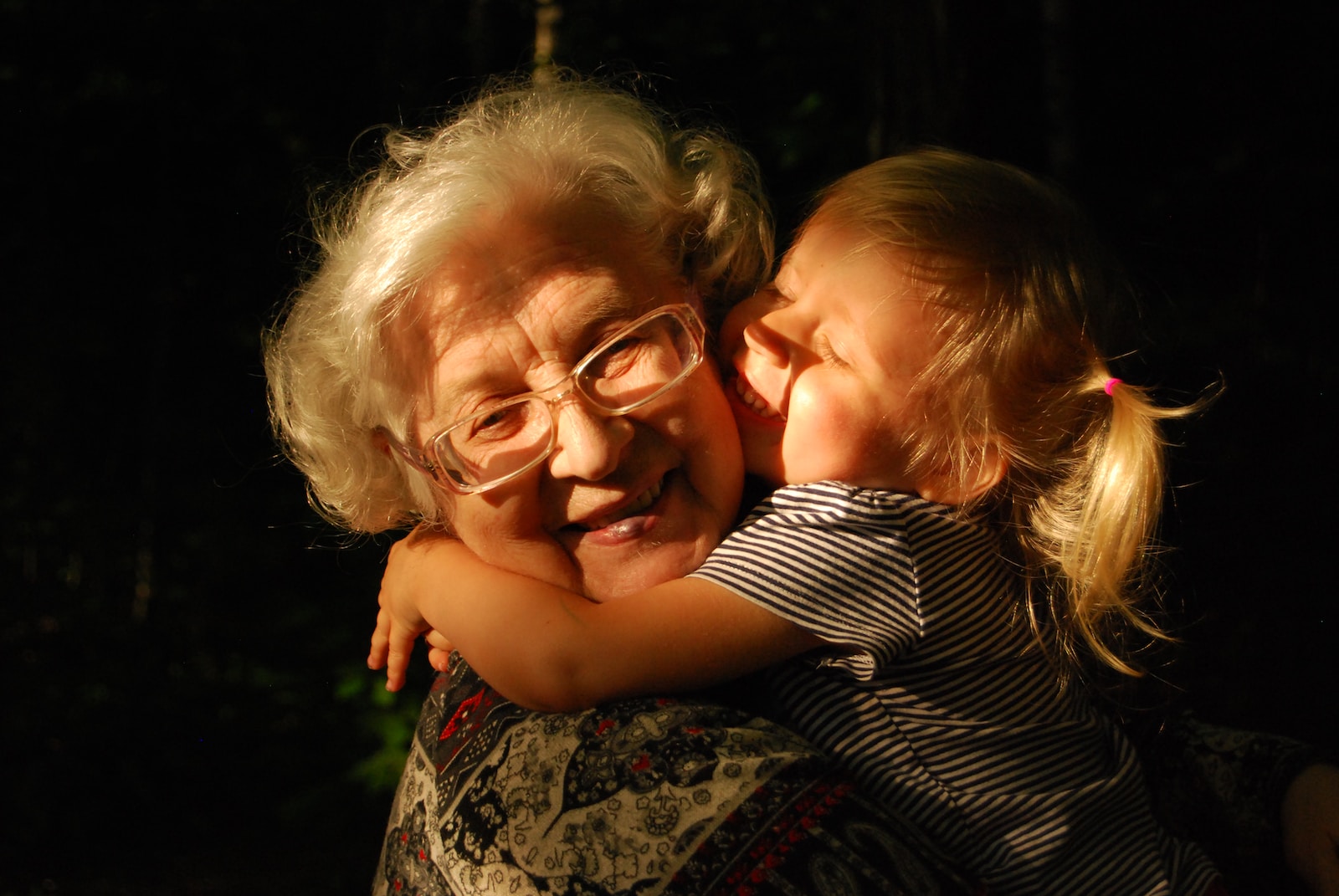
An intriguing study of 120 grandmothers might surprise you. Doctors know socially engaged people have better cognition and less dementia. But can a person get too much of a good thing? What’s the right balance?

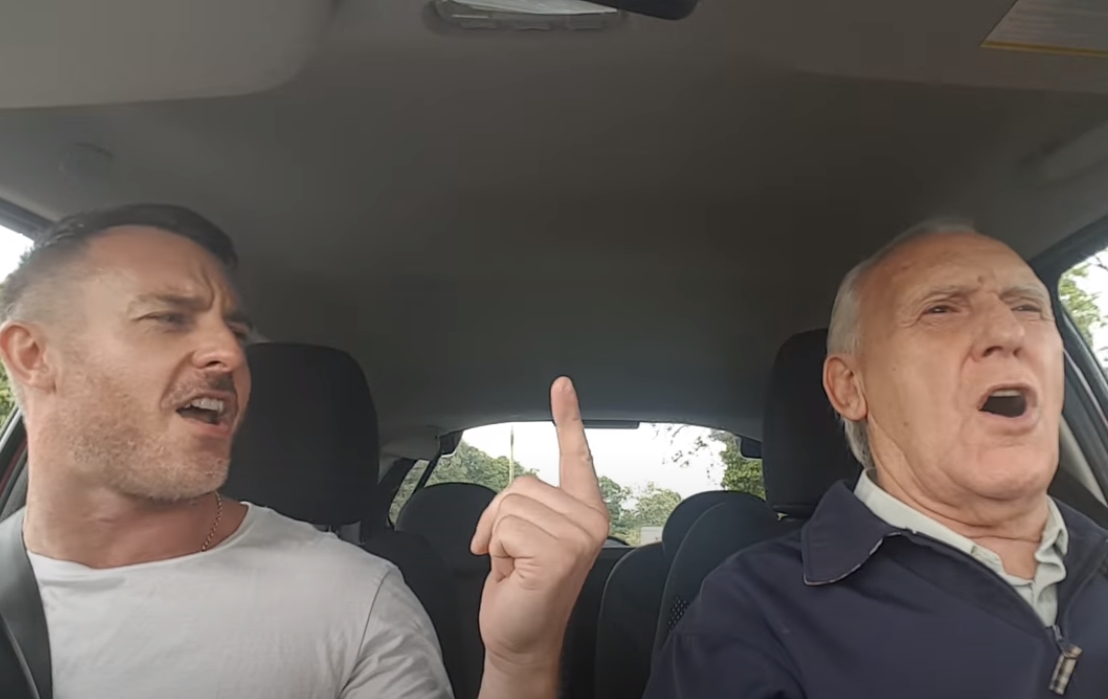
Enjoy this great duet between a musician with dementia and his son. A triumph of spirit over Alzheimer’s! Sing-a-long if you like!

It looks like a sneeze cannot give anyone Alzheimer’s. While Alzheimer’s abnormal disease proteins do spread from cell-to-cell, they are not “infectious”. Check out the facts.

TEEPA CARE VIDEO: Learn about Alzheimer’s 6 stages. Teepa Snow shows what to expect, while keeping the focus on the person for whom you care.
No spam, only news and updates.


We use cookies and similar technologies to improve your experience, understand how our content is used, and support relevant advertising that helps keep Alzheimer’s Weekly free to readers. You can choose to accept, deny, or manage your preferences at any time. Declining certain cookies may affect features such as embedded videos, comments, and personalized advertising.